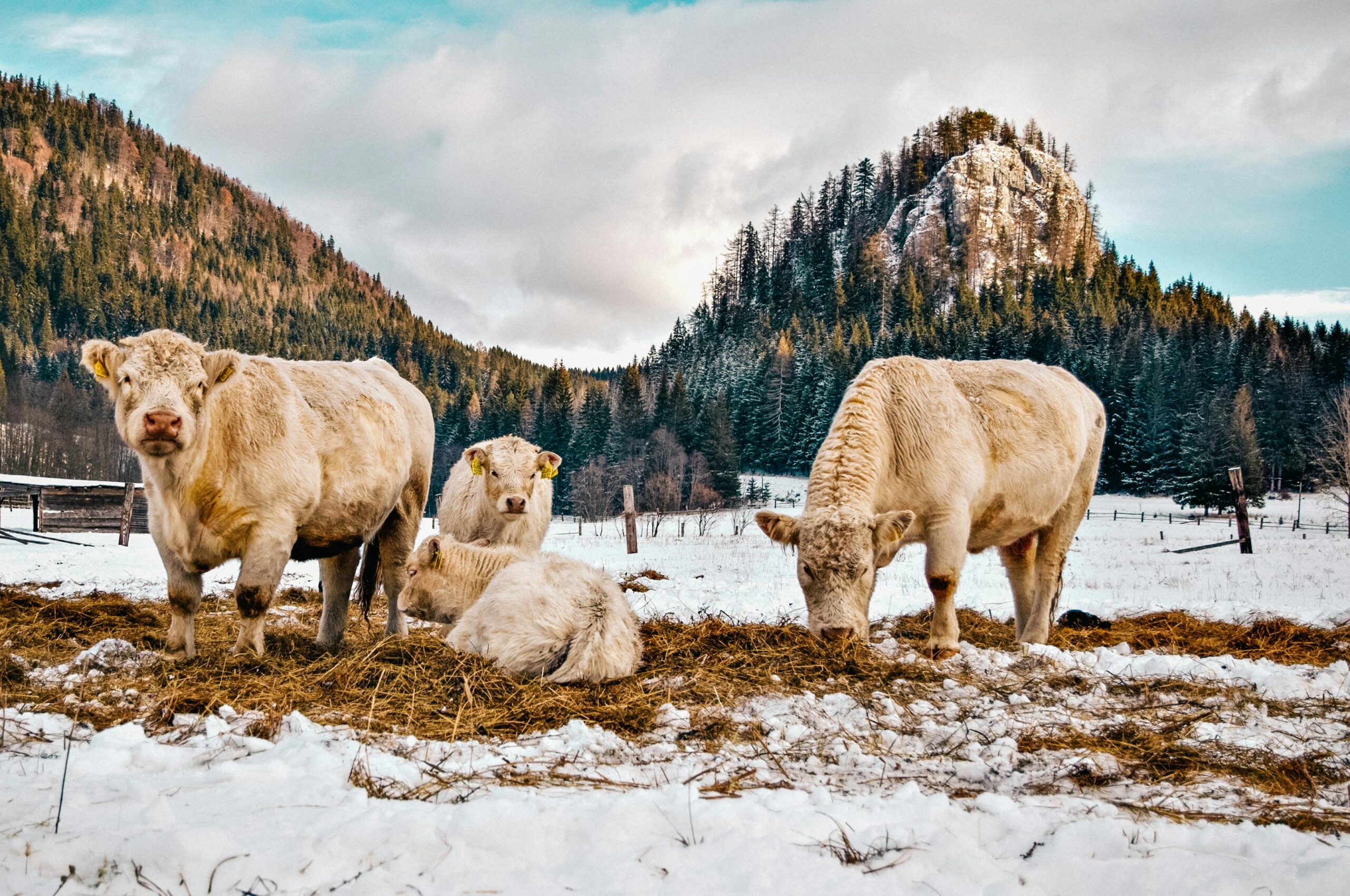
The Christmas song “Let It Snow” may capture the magic of winter, but for livestock, cold weather is far less charming. Dropping temperatures, wet conditions, and shorter days can take a real toll on animal health and comfort, increasing the risk of stress, illness, and reduced performance if animals are not properly protected.
As winter approaches, livestock farmers face the crucial task of preparing their herds and flocks for the challenges ahead. Thoughtful planning, from housing and comfort to nutrition and supplementation, can make the difference between simply getting through the season and maintaining strong, productive animals.
This article walks you through a winter checklist filled with practical, proactive animal health solutions to help keep livestock healthy, comfortable, and well cared for during the colder months.
1. Prepare Animal Housing and Environment
A key element of winter preparedness is ensuring that animal housing protects livestock from harsh weather. Cold, wet, and drafty conditions can lead to illness, stress, and reduced productivity.
- Insulation and draft protection: Inspect barns, coops, and shelters for leaks, broken windows, or doors. Use weatherstripping, bales of straw, or insulated panels to reduce drafts. Even small gaps can make a big difference in keeping animals warm.
- Bedding: Provide deep, dry bedding such as straw, shavings, or wood chips. Bedding serves as insulation and helps animals maintain body heat. Replenish regularly to keep it clean and dry.
- Ventilation: While warmth is crucial, proper airflow prevents moisture buildup and respiratory problems. Use adjustable vents or ridge openings to balance heat retention with fresh air circulation.
- Water access: Frozen water is a major risk in winter. Use heated waterers or regularly break ice to maintain a clean, unfrozen water supply. Hydration is essential for digestion, feed intake, and immunity.
- Safe outdoor areas and windbreaks: Clear snow and ice from pathways, and provide windbreaks such as fences, trees, or tarps. Shelter livestock from prevailing winds to reduce cold stress.
- Inspect fencing, gates, and latches: Check all pens, fences, gates, and latches for damage. Winter storms or ice can make broken fences hazardous and allow animals to escape.
- Structural maintenance: Examine barns, coops, and other buildings for roof leaks, loose boards, or other weaknesses that could worsen under snow or ice loads.
2. Focus on Animal Nutrition

Winter increases energy demands, as animals expend more calories to maintain body temperature. Adjusting diet and feeding routines can improve animal health and productivity.
- High-energy feed: Increase energy density with grains, concentrates, or supplemental fat sources. For ruminants like cattle and goats, high-quality hay is crucial.
- Forage and fiber: Maintain adequate roughage to support healthy digestion, especially for ruminants.
- Regular feeding schedule: Consistent feeding helps animals regulate body heat and maintain stable digestion. Avoid abrupt changes in diet.
- Monitor body condition: Regularly assess weight and body condition scores to adjust feed levels. Animals losing weight in winter may require more concentrated nutrition.
- Salt and mineral blocks: Provide essential minerals and salt for cattle, goats, and horses. Ensure blocks are accessible but not placed in wet or muddy areas.
3. Ensure Animal Comfort
Comfortable animals are healthier and more productive. Small adjustments in housing and handling can make a big difference:
- Thermal protection: Provide shelters, windbreaks, and bedding to help animals conserve heat. Chickens, turkeys, and ducks benefit from enclosed coops with extra bedding, while larger animals like horses and cattle may need extra hay for warmth.
- Group housing: Many animals, such as pigs and sheep, conserve heat when housed together. Ensure enclosures are spacious enough to prevent overcrowding.
- Health monitoring: Watch for signs of frostbite, hypothermia, or cold stress. Early detection allows for timely intervention.
4. Vitamins, Minerals, and Supplements
Winter diets may lack fresh forage, which can lead to vitamin and mineral deficiencies. Implementing supplementation ensures strong immunity and overall well-being.
- Vitamin supplementation: Vitamins A, D, and E are particularly important for immune function and growth. Consider fortified feed or supplements where natural sources are limited.
- Probiotics and gut health: Cold stress can disrupt digestion. Probiotics and prebiotics support gut health, improve nutrient absorption, and reduce disease risk.
5. Pest Control and Preventive Measures
Winter prep is also an opportunity to manage pests and ensure preventive health measures are in place:
- Fly and pest control: Treat pastures, bedding areas, and coops for flies or larval stages before frost. This reduces overwintering populations that could emerge in spring.
- Veterinary checkups: Schedule routine exams and vaccinations to prevent seasonal diseases. Early detection of illness is critical in cold weather.
- Emergency preparedness: Have a plan for power outages, severe storms, or equipment failures. Stockpile feed, water, bedding, and veterinary supplies.
6. Species-Specific Tips

While general preparation applies to all livestock, some species have unique winter needs:
- Chickens, turkeys, ducks: Keep coops dry, provide extra bedding, and monitor for frostbite on combs and wattles. Ensure ventilation prevents moisture buildup.
- Cattle and goats: Ensure wind protection, high-quality hay, mineral supplementation, and monitor for cold stress, especially in young or thin animals.
- Horses: Provide dry, sheltered paddocks, extra hay for warmth, and blankets if necessary. Check waterers frequently.
- Pigs: Deep bedding and draft-free housing are essential. Pigs are especially sensitive to cold stress.
Winter isn’t the Enemy — The Lack of Preparation is
Winter may be inevitable, but it doesn’t have to be harsh on your animals or on you. A thoughtful approach that combines good shelter, balanced nutrition, everyday comfort, preventive care, and pest control helps livestock stay healthy and content through the colder months.
Warm, well-fed, and comfortable animals are better able to cope, bringing peace of mind in knowing your herd or flock is well cared for, no matter how low the temperature drops.
Author Bio: Carmina Natividad is a daytime writer for Abbey Labs, an Australian company offering reliable animal health solutions to support the wellbeing of pets and livestock. She loves creating easy-to-read content about animal care, veterinary tips, and the latest solutions that help animals live healthier lives.