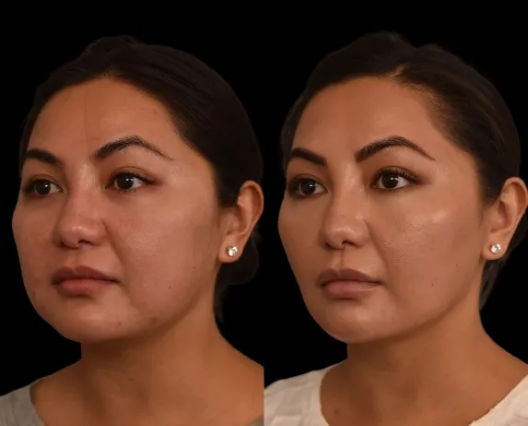
“This article explains why popping a cyst at home is unsafe. It highlights health risks, including infection scarring and recurrence, while guiding readers on proper skin cyst treatment and when to seek care from a qualified cyst removal doctor.”
Finding a cyst on the skin can be unsettling. It may start as a small bump that feels harmless at first. Over time, it can grow firmer or more noticeable, making many people feel tempted to squeeze it. The idea of quick relief is understandable. However, popping a cyst often creates more problems than it solves.
Understanding how cysts form and why self treatment causes harm can help prevent unnecessary pain, infection and long lasting skin damage. Knowing what doctor treats cysts also makes it easier to choose the right next step instead of taking risks at home.
Understanding What a Cyst Really Is
A cyst is a closed pocket that develops beneath the skin. It can contain fluid, soft material, or a thicker substance made of skin cells. Unlike surface blemishes, a cyst sits deeper and is enclosed by a sac. This sack keeps producing material over time.
Cysts may form when skin cells become trapped or when a hair follicle becomes blocked. Minor injuries and irritation can also play a role. Some cysts remain small while others slowly increase in size. Because they are not surface issues, they do not respond well to squeezing or topical treatments.
Effective skin cyst treatment depends on recognizing that a cyst is a structural issue beneath the skin not something that can be pushed out safely.
Why Popping a Cyst Feels Tempting but Is Dangerous
As a cyst grows, it can create pressure in the surrounding tissue. This pressure may feel uncomfortable and lead people to believe that releasing it will bring relief. Online videos often make popping look simple and harmless, which adds to the misconception.
The problem is that cysts are not designed to drain easily. The sack holding the contents remains intact even if some material escapes. This leaves the root of the problem untouched and increases the risk of complications.
What Happens Inside the Skin When You Pop a Cyst
Inside a cyst, the sac holds its contents securely. When force is applied, the sac may tear internally instead of opening outward. This allows bacteria and debris to spread into nearby tissue.
The body reacts quickly to this internal damage. Inflammation increases blood flow to the area, causing redness, warmth and swelling. Pain often worsens rather than improves. What could have been managed safely becomes more difficult to treat.
Medical Risks of Popping a Cyst at Home
- Infection and Abscess Formation: Skin and hands carry bacteria even when they look clean. When a cyst is punctured, bacteria can enter deep tissue layers. This may lead to infection or the formation of an abscess, which is a painful collection of pus.
- Infections often cause worsening redness, swelling, tenderness and thick discharge. These situations usually require medical care and may involve antibiotics or drainage.
- Increased Pain and Inflammation: Home attempts damage the surrounding tissue. This trauma increases swelling and irritation. The area may become more sensitive and painful than before. Healing also takes longer because the skin must repair both the cyst and the injury caused by squeezing.
- Permanent Scarring and Skin Damage: Deep or uneven wounds heal with scar tissue. Popping a cyst often creates an irregular injury. This increases the chance of visible scarring or long term skin texture changes. Cysts on the face or neck are especially prone to leaving marks.
- Risk of Recurrence: Even if the cyst appears to empty, the sac usually remains under the skin. This allows the cyst to refill over time. Many people experience repeated cysts in the same area because the underlying structure was never removed.
When a Cyst Becomes a Serious Medical Issue
Some signs should never be ignored. Rapid growth, increasing pain, spreading redness or foul smelling drainage indicate a problem. Fever or general discomfort may suggest infection is affecting more than just the skin.
Cysts located in areas that experience constant movement or friction can interfere with daily activities. In these cases, professional evaluation is important to prevent worsening symptoms.
What Doctor Treats Cysts Safely and Effectively
People often wonder which doctor treats cysts when home care does not help. A cyst removal doctor has the training to evaluate skin lumps accurately and choose the safest treatment approach.
A professional assessment confirms whether a growth is a simple cyst or something else. This step ensures the right treatment is used from the beginning rather than guessing and risking complications.
How Professional Skin Cyst Treatment Works
- Proper Evaluation and Diagnosis: Treatment begins with a careful examination of the cyst. The doctor looks at size, depth, tenderness and skin changes. This evaluation guides the treatment plan and helps avoid unnecessary procedures.
- Safe Drainage or Complete Removal: In some cases, temporary drainage is used to reduce inflammation. However, complete removal targets the cyst sac itself. Removing the sac reduces the chance of the cyst returning and provides a more lasting solution.
- Sterile Technique and Pain Control: Medical procedures are performed using sterile equipment. Local anesthesia helps control discomfort. This controlled setting lowers infection risk and supports smoother healing.
What to Do Instead of Popping a Cyst
Avoid squeezing or puncturing the cyst. Keep the area clean and avoid irritation. Do not apply harsh substances or unverified treatments.
Monitoring changes is important. If the cyst grows, becomes painful or changes in appearance, seeking medical advice early often leads to simpler treatment and better outcomes.