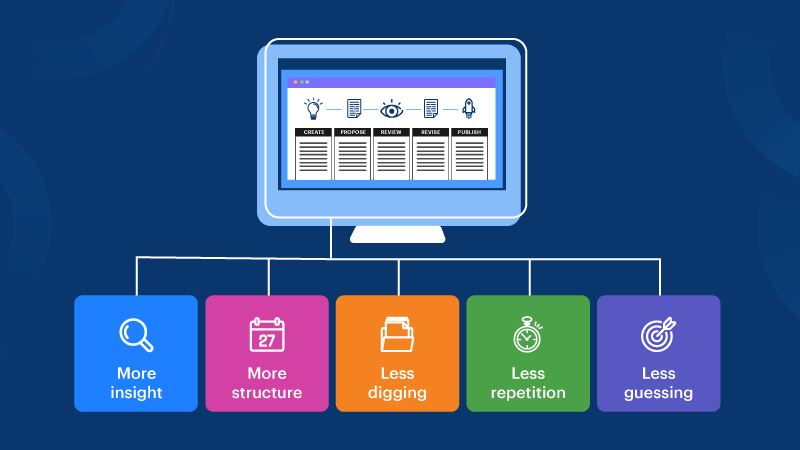
Time management directly affects how work progresses across teams and roles. Missed deadlines, uneven workloads, and frequent rework often result from poor time planning rather than a lack of effort. As organizations scale, visibility into how employees spend their time becomes critical. A workflow management system helps structure tasks, align priorities, and reduce inefficiencies that go unnoticed in manual processes. Data from workplace studies consistently show that teams with clear time allocation perform better without increasing work hours.
This post explains why time management matters in the workplace and outlines the key benefits supported by measurable data.
Understanding Time Management In The Workplace
Time management refers to how individuals and teams plan, prioritize, and complete tasks within defined working hours. In a professional environment, it connects daily activities with broader business objectives. Employees often lose productive time due to unclear priorities, excessive meetings, or constant interruptions. Without a structured approach, tasks spill over deadlines and create unnecessary pressure. Organizations now rely on time usage data to identify gaps between effort and output. This clarity forms the foundation for improving performance across departments.
Productivity Increases When Time Is Planned
Productivity improves when employees know what to work on and when to do it. Data from workplace analytics shows that structured schedules reduce time lost to task switching. Employees who plan their workday spend more time on high-value tasks and less on reactive work. This structure helps teams complete assignments faster while maintaining quality. Instead of extending work hours, organizations improve output by reducing wasted time. Over time, consistent planning supports sustainable productivity without burnout.
Focus Improves, And Errors Decline
Better time management helps employees maintain focus. Frequent interruptions and unclear schedules reduce concentration and increase mistakes. Data indicates that switching between tasks too often lowers accuracy and slows progress. When teams allocate dedicated time for specific responsibilities, they create space for deeper focus. This approach improves task quality and reduces the need for revisions. As focus improves, teams deliver more reliable outcomes across projects.
Stress Reduces When Workloads Feel Predictable
Unplanned work and last-minute changes increase workplace stress. Employees often feel overwhelmed when priorities shift without warning. Time management introduces predictability into daily routines. Data shows that employees who plan tasks in advance report lower stress levels and better job satisfaction. Clear schedules reduce the pressure of constant urgency. This balance supports mental well-being while maintaining consistent performance. Organizations that manage time well also see lower burnout rates.
Decision-Making Becomes More Effective
Good decisions require time for analysis and reflection. When employees work in constant reaction mode, decision quality declines. Time management creates space for thoughtful planning and evaluation. Data-driven insights into time usage help leaders understand where effort delivers results. These insights guide better resource allocation and realistic goal setting. As a result, managers make decisions that align work priorities with business needs rather than short-term urgency.
Collaboration Benefits From Aligned Schedules
Time management supports smoother collaboration across teams. When schedules align, meetings become more focused, and coordination improves. Data shows that teams with structured timelines experience fewer delays caused by miscommunication. Clear deadlines help employees understand project dependencies. This clarity reduces friction and improves accountability. Collaboration becomes more effective when everyone understands how their time contributes to collective outcomes.
Technology Supports Better Time Control
Technology plays a key role in modern time management practices. Digital tools help teams track tasks, deadlines, and progress in real time. A project time management software solution enables teams to accurately estimate effort and monitor timelines. These tools provide visibility into how work is progressing, helping teams adjust plans when priorities change. Data collected from these platforms highlights inefficiencies that manual tracking often misses. Over time, technology-driven insights help organizations refine workflows and improve planning accuracy.
Data Reveals Hidden Time Losses
Time-tracking data often reveals patterns that remain invisible without measurement. Employees may spend significant time on administrative tasks or unplanned communication. Analytics highlights frequent interruptions and uneven workload distribution. Once identified, organizations can redesign processes to protect focus time. This approach shifts time management from assumptions to evidence-based action. Gradual improvements based on data lead to consistent gains in efficiency.
Accountability Improves With Transparency
Time management also strengthens accountability within teams. Clear timelines and visible progress help employees take ownership of their responsibilities. Data-backed transparency ensures expectations remain realistic and shared. Managers can address issues early rather than react after deadlines slip. This clarity builds trust between leadership and employees. Accountability improves through shared understanding rather than pressure.
Conclusion
Time management matters because it shapes how work gets done and how employees experience their roles. Data consistently shows that structured planning improves productivity, focus, and decision-making while reducing stress. Organizations that understand how time is spent can improve performance without extending work hours. Tools such as workflow management systems and project time management software support this effort by turning time into measurable insights.
When teams treat time as a strategic resource, they create healthier work environments and deliver stronger, more predictable results.