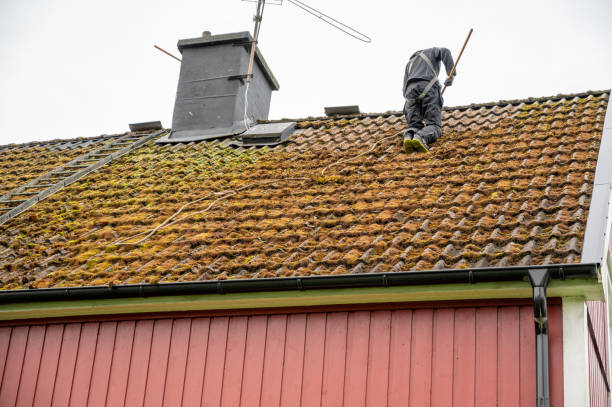
Your roof protects your home from rain, heat, and harsh weather. But many homeowners ignore one common issue that slowly damages roofs over time. That issue is moss on roof, which may look harmless at first but can lead to serious problems if not handled correctly.
This guide will explain what roof moss is, why it grows, why it is dangerous, how to remove it safely, and how to prevent it in the future.
What Is Roof Moss?
Moss is a small green plant that grows in damp, shaded areas. It does not need soil to survive. Instead, it grows by holding moisture and spreading tiny spores through the air.
Roofs are a perfect place for moss to grow, especially if they are shaded by trees or receive little sunlight. Moss commonly grows on asphalt shingles, tiles, and wood roofs.
Why Moss Grows on Roofs
Moss does not appear overnight. It grows slowly when conditions are right. Some common reasons include:
- Too much shade from trees
- High moisture levels
- Poor roof drainage
- Old or worn roofing materials
- Cool and humid climates
Once moss starts growing, it spreads quickly and becomes harder to remove.
Why Roof Moss Is a Serious Problem
Many people think moss is just a cosmetic issue, but it can cause real damage. When moss on roof spreads, it traps moisture against the surface. This moisture slowly breaks down roofing materials.
Here are the main problems caused by moss:
- Lifts and loosens shingles
- Causes water leaks
- Leads to rot and mold
- Shortens roof lifespan
- Increases repair costs
Ignoring moss can turn a small issue into an expensive repair job.
How Moss Damages Roofing Materials
Moss grows between shingles and tiles. As it absorbs water, it expands. This expansion pushes roofing materials apart, creating gaps where water can enter.
During colder months, trapped moisture can freeze and expand even more. This causes cracking and serious structural damage over time.
Signs Your Roof Has a Moss Problem
You may not always see moss clearly from the ground. Look out for these warning signs:
- Green patches on roof surface
- Dark streaks or stains
- Loose or curling shingles
- Water stains on ceilings
- Increased indoor humidity
If you notice these signs, it is time to inspect your roof closely.
Safe Ways to Remove Roof Moss
Removing moss must be done carefully. Using the wrong method can damage your roof.
Manual Removal
This method involves gently brushing moss off using a soft brush. Always brush downward to avoid lifting shingles. Never use metal tools or pressure washers.
Cleaning Solutions
Special roof-safe cleaning solutions can kill moss and prevent regrowth. These solutions are sprayed on the roof and left to work over time.
Avoid harsh chemicals like bleach, as they can damage roofing materials and harm plants around your home.
Professional Roof Cleaning
Hiring professionals is often the safest option. They have the right tools and experience to remove moss on roof without causing damage.
What NOT to Do When Removing Moss
Many homeowners make mistakes that worsen the problem. Avoid the following:
- Pressure washing the roof
- Scraping with sharp tools
- Using strong chemicals
- Walking carelessly on the roof
These actions can break shingles, create leaks, and void roof warranties.
How to Prevent Moss From Coming Back
Prevention is the best solution. Once moss is removed, take steps to stop it from returning.
Trim Overhanging Trees
Cutting back tree branches allows more sunlight to reach your roof. Sunlight helps dry moisture and prevents moss growth.
Improve Roof Drainage
Make sure gutters and downspouts are clean. Proper drainage prevents water from sitting on the roof.
Install Zinc or Copper Strips
These strips release natural elements when it rains, which help stop moss from growing.
Regular Roof Inspections
Check your roof at least once a year, especially after rainy seasons. Early detection makes treatment easier and cheaper.
Is Roof Moss a Sign of an Old Roof?
Not always. Moss can grow on both old and new roofs if conditions are right. However, older roofs are more vulnerable because shingles lose their protective coating over time.
If moss keeps returning, it may be a sign that your roof needs professional attention.
Cost of Removing Roof Moss
The cost depends on roof size, moss severity, and removal method. On average, professional moss removal is affordable compared to roof repairs caused by neglect.
Preventive care is always cheaper than replacement.
Environmental Impact of Roof Moss
Moss itself is natural, but improper removal can harm the environment. Avoid chemicals that damage plants, soil, and water systems.
Eco-friendly roof cleaning options are widely available and safer for your home and surroundings.
Final Thoughts
Roof moss may seem harmless, but it can slowly destroy your roof if ignored. Moss on roof causes moisture damage, reduces roof life, and leads to costly repairs. By understanding why it grows, removing it safely, and taking preventive steps, you can protect your home for years to come.
Regular maintenance, proper cleaning methods, and timely inspections make a big difference. If the problem feels overwhelming, professional help is always a smart choice. Taking action early ensures your roof stays strong, clean, and durable.