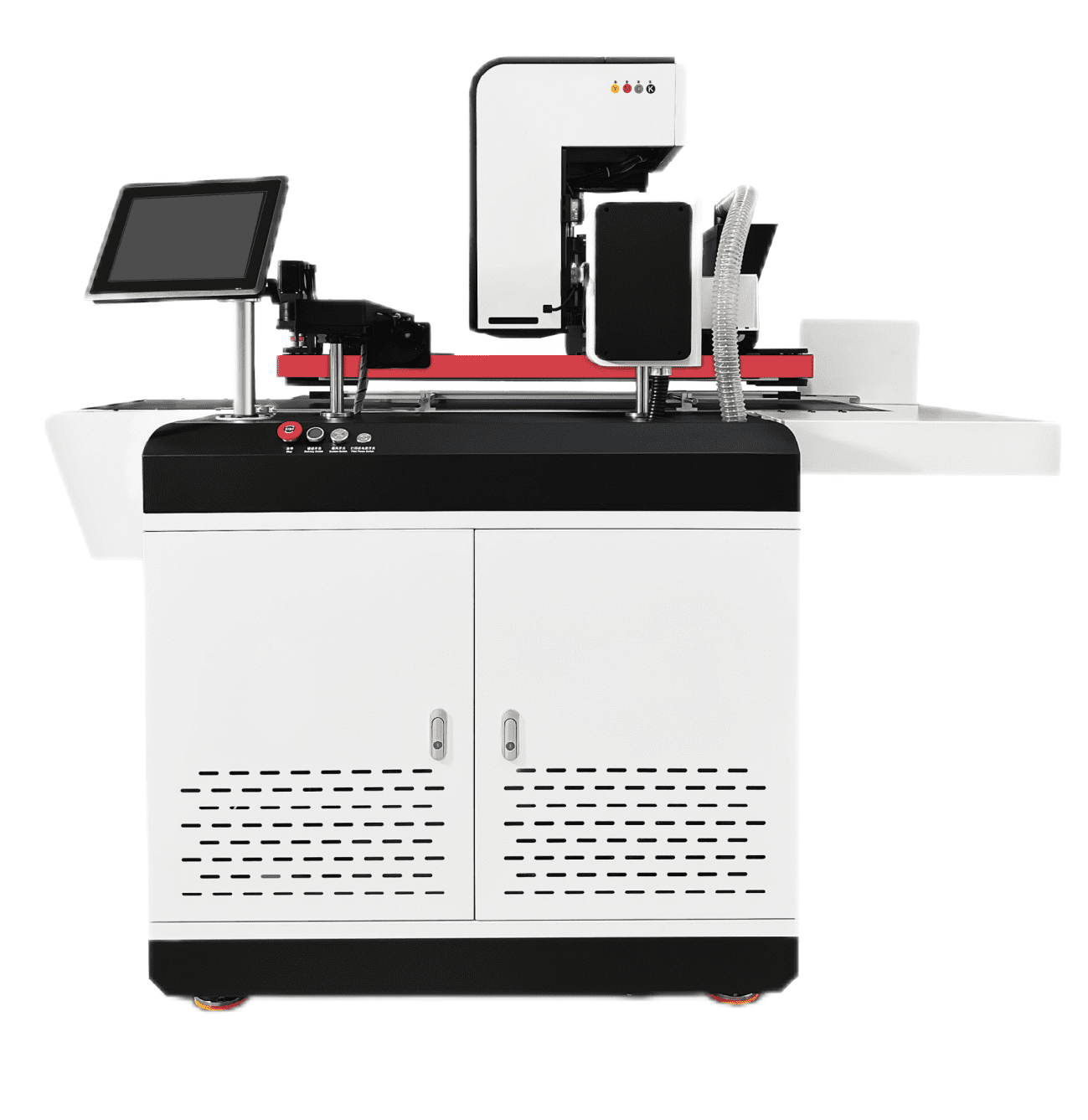
The publishing industry is changing faster than ever. Readers now expect books that look premium, feel unique, and stand out on shelves and online stores. Simple black-and-white printing is no longer enough to attract attention in a competitive market. As a result, publishers are exploring advanced printing technologies that add visual value without slowing production. One innovation gaining strong interest is book edge printing. This technique transforms the edges of books into creative, branded, or decorative elements. From large publishing houses to independent presses, many are rethinking how books are produced and presented. Investing in modern printing solutions has become a smart move for publishers aiming to combine quality, efficiency, and creativity in today’s market.
Growing Demand for Premium Book Finishes with a Book Edge Printer
The appearance of a book plays a major role in purchasing decisions. A Book Edge Printer allows publishers to enhance book edges with colors, patterns, logos, or full artwork, creating a premium look that immediately catches the eye.
Visual appeal that drives sales
Books with printed edges stand out in bookstores and online listings. When readers see a visually striking book, curiosity increases, which often leads to higher sales. Decorative edges also add perceived value, making books suitable for collectors and gift buyers.
Branding opportunities for publishers
Printed edges are not just decorative. They offer a new space for branding. Publishers can include logos, themes, or series-specific designs, helping readers recognize titles instantly. This consistent visual identity strengthens brand recall across multiple releases.
How a Book Edge Printer Improves Production Efficiency
Investing in a Book Edge Printer is not only about aesthetics. It also improves operational efficiency when compared to traditional or manual edge-decoration methods.
Faster turnaround times
Modern book edge printers are designed for speed. Automated systems can handle large print runs with consistent quality, reducing production time. Faster processing allows publishers to meet tight deadlines without compromising design standards.
Reduced labor and errors
Manual edge printing requires skilled labor and careful handling, which increases the risk of errors. Automated printers minimize human intervention, leading to fewer mistakes, less waste, and more predictable output quality.
Cost-Effective Customization for Modern Publishing
Customization used to be expensive and limited to small batches. Advanced printing technology has changed this completely.
Short-run and on-demand printing
Publishers can now produce customized book edges even for short print runs. This is especially useful for special editions, limited releases, or seasonal collections. On-demand capabilities help reduce inventory costs and storage needs.
Long-term return on investment
Although the initial investment may seem high, the long-term benefits outweigh the cost. Lower labor expenses, reduced waste, and higher product value contribute to better profit margins over time.
Meeting Reader Expectations in a Competitive Market
Readers today expect more than just good content. Presentation matters just as much as the story inside.
Enhanced reader experience
A beautifully finished book creates an emotional connection. Printed edges add a tactile and visual experience that enhances overall satisfaction. This positive experience encourages repeat purchases and word-of-mouth recommendations.
Standing out in digital and physical spaces
In online marketplaces, images are often the first point of contact. Books with creative edge designs perform better visually, increasing click-through rates. In physical stores, they naturally draw attention among rows of plain spines.
Technological Advancements Driving Adoption
Recent innovations have made book edge printing more accessible and reliable than ever before.
High-resolution digital printing
Modern printers offer sharp, vibrant prints with excellent color accuracy. Complex designs, gradients, and photographic elements can now be printed directly on book edges without quality loss.
Integration with existing workflows
Today’s machines are designed to integrate smoothly with standard publishing workflows. Compatibility with digital printing systems allows publishers to adopt edge printing without major operational changes.
Sustainability and Reduced Waste
Environmental responsibility is becoming a priority in publishing decisions.
Efficient use of materials
Automated edge printers use ink more efficiently and reduce misprints. Less waste means lower material consumption and a smaller environmental footprint.
Supporting eco-friendly publishing goals
Many modern systems support eco-friendly inks and energy-efficient operation. This aligns well with sustainability goals and improves brand image among environmentally conscious readers.
Expanding Creative Possibilities for Publishers
Book edge printing opens the door to creative experimentation that was previously difficult or costly.
Special editions and collaborations
Publishers can easily produce anniversary editions, author-signed collections, or collaborations with artists. Unique edge designs make these editions more desirable and collectible.
Series and genre differentiation
Different edge designs can be used to distinguish genres or series within a catalog. This helps readers quickly identify related titles and encourages series completion purchases.
Practical Considerations Before Investing
Before investing in new technology, publishers should evaluate specific needs and goals.
Assessing production volume
Understanding current and future print volumes helps determine the right machine capacity. Scalability is important for long-term growth.
Evaluating design requirements
Publishers should consider the level of design complexity required. Choosing a system that supports high-resolution and flexible customization ensures future-proofing.
Robotjet-global: Advancing the Future of Book Edge Printing
Robotjet-global is recognized for delivering advanced printing solutions tailored to modern publishing needs. The company focuses on precision, reliability, and high-quality output, helping publishers achieve visually striking book finishes. With technology designed for efficiency and consistency, Robotjet-global supports both large-scale production and customized projects. Its solutions enable publishers to enhance book value, improve workflow efficiency, and stay competitive in a rapidly evolving market. By combining innovation with practical design, Robotjet-global continues to play a key role in shaping the future of book edge printing worldwide.