Brisbane has a mood.
You feel it the second you step outside. Warm air that clings. Moisture that hangs around longer than it is invited. Summers that sweat. Winters that politely pretend not to exist. This city doesn’t flirt with humidity—it commits to it.
And that matters when you’re choosing materials for a home.
A lot.
Because Brisbane punishes the wrong choices. Timber swells like it’s had too much to drink. Cheap laminates bubble, peel, and quietly quit. Metals spot and sulk. Paint gets weird. Even concrete, that so-called tough guy, can crack and stain when moisture keeps tapping on its shoulder.
Which brings us here. Natural stone. Old. Heavy. Unbothered. Still standing after centuries of worse weather than a Brisbane summer.
I’ll say it upfront: if you live in this climate and you want materials that don’t panic every time the air turns damp, natural stone isn’t a luxury move. It’s a practical one.
Let’s talk about why.
Humidity Doesn’t Negotiate
Humidity is sneaky. It doesn’t smash through your house like a storm. It seeps. It creeps. It waits.
Porous, poorly processed materials absorb moisture from the air like a sponge that never dries out. That moisture leads to warping. Rot. Mold. Smells you can’t explain to guests without apologizing.
Natural stone doesn’t play that game.
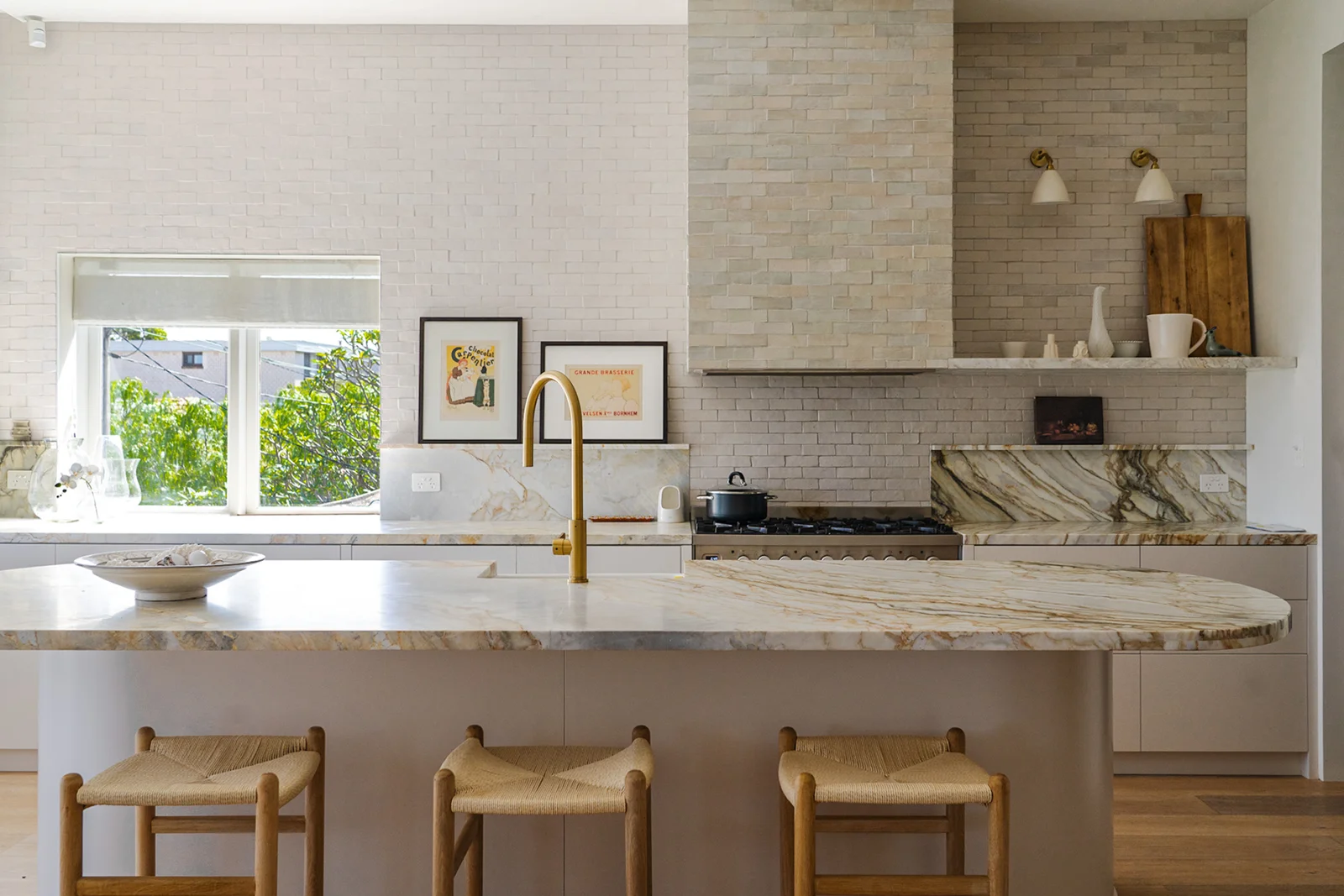
Marble, granite, travertine, limestone—these materials formed under pressure that makes Brisbane weather feel like background noise. Properly sealed, they resist moisture intrusion far better than synthetic surfaces pretending to be tough.
Stone doesn’t swell when the air gets heavy. It doesn’t delaminate. It doesn’t warp because the weather had a bad week.
It stays put.
That stability matters more than people admit, especially in kitchens, bathrooms, and living spaces where humidity likes to loiter.
Cool Surfaces in a Hot City
Here’s something Brisbane locals instinctively understand: heat management is survival.
Stone stays cool. Naturally. Even on days when the pavement feels hostile and the sun seems personal, stone surfaces hold a lower temperature than most alternatives. Walk barefoot across a marble floor in January and you’ll feel it instantly. Relief.
That cooling effect isn’t a gimmick. It’s physics.
Stone absorbs heat slowly and releases it just as slowly. In a humid climate, that makes a difference. Your space feels calmer. Less stuffy. Less sticky.
This is why stone has been used for centuries in hot regions long before air-conditioning existed. It wasn’t an aesthetic decision. It was common sense to wear a good outfit.
Bathrooms: Where Stone Quietly Dominates
Bathrooms in Brisbane are humidity factories. Showers run daily. Steam lingering. Moisture trapped in corners no one thinks about until it’s too late.
This is where natural stone earns its keep.
A properly sealed marble vanity or basin doesn’t flinch at steam. It doesn’t blister. It doesn’t curl at the edges. It doesn’t age in dog years.
That’s why more homeowners are hunting for an affordable marble basin in Brisbane instead of settling for mass-produced ceramics or composites that crack under pressure—literal and atmospheric.
Marble in a bathroom feels grounded. Calm. Solid. It turns a functional space into something that feels intentional, even slightly indulgent, without being flashy.
And here’s the part people don’t expect: affordability isn’t off the table anymore. Local suppliers, smarter sourcing, and simpler designs have brought stone into reach for homes that aren’t trying to impress a design magazine.
Stone doesn’t have to scream. It can whisper and still win.
Living Spaces that Age without Drama
Living rooms get overlooked in climate conversations. They shouldn’t.
Humidity creeps into sofas, coffee tables, and shelving. Timber surfaces expand and contract like they’re breathing. Veneers lift. Finishes cloud.
Enter stone again.
Marble coffee tables have become a quiet staple in Brisbane homes for a reason. They don’t care if the air is thick. They don’t warp. They don’t sag. They don’t need constant reassurance.
You put one down. It stays where it is. Year after year.
There’s also something psychologically grounding about stone in a living space. It adds weight. Literally and visually. It anchors lighter materials around it—linen, timber, soft rugs—without competing.
And unlike trend-driven furniture pieces that feel tired after two seasons, stone ages like it knows a secret. Small marks add character. Patina develops. Nothing looks “worn out.” Just lived in.
Mold Hates Stone
Let’s talk about the unglamorous part. Mold.
Brisbane’s humidity creates perfect conditions for it. Warm. Damp. Shady corners. Organic materials that trap moisture.
Stone doesn’t feed mold. There’s nothing for it to latch onto. Proper sealing creates a surface that stays dry and inhospitable to spores that would happily colonize timber or grout-heavy alternatives.
This matters for health. For smell. For sanity.
Less mold means less cleaning drama. Fewer harsh chemicals. Fewer weekends spent scrubbing things you swear were clean last month.
Stone doesn’t eliminate maintenance, but it simplifies it. Wipe. Seal when needed. Done.
Strength Without Shouting About It
Some materials need constant praise to justify themselves. Stone doesn’t.
Drop something heavy on a stone surface and the object usually loses the argument. Stone resists dents, scratches, and daily abuse better than most materials dressed up as “durable.”
That strength is quiet. It doesn’t look industrial. It doesn’t feel cold or clinical when used thoughtfully.
In Brisbane homes that blend indoor and outdoor living—sliding doors open, air moving freely—stone handles the transition effortlessly. It doesn’t panic when conditions shift. It just exists.
Which is kind of the dream.
Design Freedom Without Climate Regret
Here’s where people hesitate. They worry that stone locks them into a specific look. Too formal. Too heavy. Too serious.
That fear is outdated.
Natural stone today shows up in endless finishes. Honed. Polished. Brushed. Matte. Soft edges. Sharp cuts. Thick slabs or slim profiles.
It can look modern. Coastal. Minimal. Earthy. Even playful, depending on how you use it.
And unlike trend materials that look incredible for six months before feeling embarrassing, stone doesn’t embarrass you later. It doesn’t timestamp your house.
In a climate that already asks enough of your materials, choosing something that won’t demand future apologies is underrated.
Cost, Honestly
Let’s clear the air.
Yes, natural stone can cost more upfront. Sometimes.
But Brisbane homeowners are starting to do the math differently. Replacing warped cabinetry. Swapping out peeling surfaces. Fixing moisture damage. Repainting. Replacing again.
Stone stays.
When people look for an affordable marble basin in Brisbane, they’re not chasing luxury for luxury’s sake. They’re trying to buy once instead of three times.
The same logic applies to marble coffee tables, benchtops, and flooring. You pay for longevity. For calm. For fewer regrets.
Over time, stone often ends up cheaper simply because it refuses to quit.
Brisbane Deserves Materials with Backbone
This city isn’t gentle. It’s beautiful, bright, sweaty, and unapologetically humid. Homes here need materials that don’t melt under pressure.
Natural stone has already proven itself. Across climates harsher than this one. Across centuries. Across buildings that outlasted the trends that tried to replace it.
Choosing stone isn’t about copying old European villas or chasing some glossy catalog dream. It’s about respecting the environment you live in and selecting materials that can handle reality without fuss.
Brisbane humidity isn’t going anywhere.
Stone doesn’t care.
And that’s exactly why it works.