Safe handling of medical waste is essential in every healthcare facility, from small clinics to large hospitals. Among all categories, sharps pose the highest risk because they can puncture skin, spread infections, and expose workers to dangerous bloodborne pathogens. This is why color-coded segregation has become a critical standard in sharps waste disposal. Proper identification ensures that every item is handled, transported, and treated correctly, reducing risks for healthcare workers, sanitation staff, and the environment.
Understanding the Role of Sharps in Medical Waste
Sharps include needles, scalpels, broken glass, syringes, and any other item capable of cutting or piercing skin. Because these items may be contaminated with blood or bodily fluids, they require strict handling protocols. The key goal of effective sharps waste disposal is to prevent accidental injuries and contamination, which can lead to diseases such as hepatitis B, hepatitis C, and HIV.
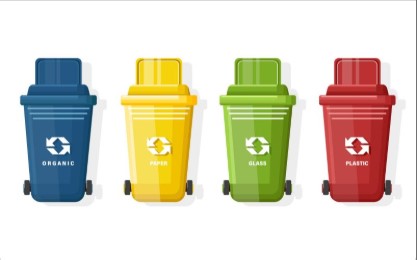
Color-coded segregation provides an additional layer of safety by making it instantly clear which bin should be used for which type of waste—something crucial during busy medical procedures where quick decisions are necessary.
How Color-Coding Minimizes Risk
Color-coded systems help limit mistakes by providing visual guidance. Each category of medical waste has its own color-coded container, and sharps bins are usually bright, puncture-resistant, and clearly labeled. This simple system greatly reduces the chance of mixing hazardous items with general waste.
In fast-paced healthcare settings, staff may multitask or handle several procedures back-to-back. Without color-coded segregation, it becomes easier to accidentally place used needles or other dangerous objects in the wrong container. This would increase the risk of injury to anyone handling the waste later. The color system supports safer and more reliable sharps waste disposal procedures, ensuring no potentially infectious items are overlooked or mishandled.
Compliance and Regulatory Requirements
Healthcare facilities must follow strict rules regarding hazardous waste, and color-coded segregation helps ensure compliance. In many regions, guidelines require that sharps containers be clearly identifiable and used exclusively for puncture-risk items. This becomes even more important when you consider that sharps waste disposal involves multiple stages—collection, handling, storage, transport, and treatment.
Incorrect segregation can lead to regulatory penalties, increased operational costs, and greater risk to staff and patients. Facilities that implement clear, well-trained color-coded systems significantly reduce the likelihood of violations.
Environmental Protection Through Proper Segregation
The environmental impact of medical waste increases when materials are mixed improperly. Sharps that end up in general waste contaminate landfills and risk injury to municipal workers. Color-coded segregation prevents cross-contamination by ensuring medications, chemicals, biological materials, and sharps stay in their correct categories.
This not only enhances the safety of sharps waste disposal but also supports responsible environmental stewardship. Sharps that remain properly segregated can be treated and sterilized using approved methods such as autoclaving or incineration, reducing their ecological impact.
Improving Workflow Efficiency in Healthcare Settings
One of the overlooked advantages of color-coded systems is their ability to improve workflow efficiency. Staff can quickly identify the correct disposal bin without having to read labels or double-check instructions, which saves valuable time during medical procedures. The color-coding also helps new employees or rotating staff adapt quickly to facility standards.
A well-organized segregation system reduces clutter and confusion, streamlining the entire sharps waste disposal process. In addition, waste management partners can collect and transport sharps bins faster when items are correctly sorted, reducing delays and lowering costs for healthcare facilities.
Training and Awareness for Better Safety
Color-coded segregation is only effective when staff are properly trained. Facilities must educate everyone—from nurses and doctors to housekeeping personnel—about what belongs in each container. Regular refresher sessions keep teams updated on regulatory changes and reinforce safe disposal habits.
Clear signage, posters, and consistent bin placement also support better compliance. The more intuitive the system, the fewer chances there are for mistakes.
Conclusion
Color-coded segregation plays a crucial role in reducing injuries, preventing contamination, ensuring regulatory compliance, and protecting the environment. By making waste categories instantly recognizable, healthcare facilities improve safety and operational efficiency. A strong color-coded system is one of the most reliable ways to enhance the entire sharps waste disposal process and create a safer environment for everyone involved. For clinics looking to strengthen their waste protocols, integrating professional waste management sharps disposal services can further elevate safety and compliance.