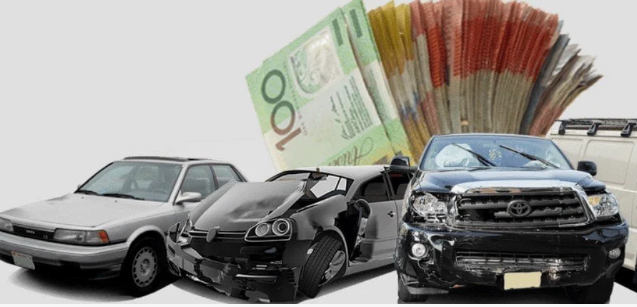
Selling a used or damaged vehicle often raises one key question: why do some cars attract higher offers than others? Cash for cars companies don’t price vehicles randomly. Their valuations are based on industry knowledge, resale demand, recycling value, and logistical factors that directly affect profitability. Understanding these elements can help car owners set realistic expectations and recognize a fair offer when they see one.
Understanding How Cash for Cars Valuations Work
Cash for cars businesses operate at the intersection of auto recycling, used car sales, and parts resale. In the early stages of evaluation, companies assess whether a vehicle is suitable for resale, dismantling, or scrap processing. This is where location-based demand and buyer networks come into play. For example, services like Cash For Used Cars Ipswich often reflect regional demand, transport costs, and access to auction or recycling facilities when making an offer, which can significantly influence pricing even for similar vehicle models.
Vehicle Condition: More Than Just Running or Not
One of the most influential factors in pricing is the overall condition of the vehicle. Cars that still run, even with minor issues, usually fetch more because they can be resold quickly or repaired at a low cost. However, non-running vehicles are not automatically low-value. If the engine, transmission, or body panels are intact and in demand, the car may still command a strong price due to its parts value.
Exterior condition also matters. Vehicles with minimal rust, intact frames, and undamaged panels are easier to dismantle and resell. From an operational standpoint, better-condition vehicles reduce labor time and increase turnaround speed, which directly impacts how much a company is willing to pay.
Make and Model Demand in the Used Market
Not all cars are created equal in the resale ecosystem. Popular makes and models—especially those known for reliability—often receive higher offers. Japanese and Korean brands, for example, are widely sought after due to their durable parts and consistent demand. Luxury vehicles may also fetch higher prices, but only if parts are in good condition and the model has an active secondary market.
Cash for cars companies rely on historical sales data and buyer inquiries to determine which models are profitable. Vehicles with high turnover rates allow companies to pay more upfront because the risk of holding inventory is lower.
Age of the Vehicle and Parts Compatibility
Age plays a nuanced role in valuation. Newer vehicles generally have higher resale potential, but older cars with compatible parts can also be valuable. Many older models share components with newer generations, making their parts useful for repairs and restorations.
From an industry perspective, vehicles that fall within a “sweet spot” of age—typically 5 to 15 years—often yield the best returns. They are old enough to be written off by owners but new enough to have parts that are still widely used.
Engine Type and Fuel Efficiency Trends
Engine specifications significantly affect pricing. Vehicles with fuel-efficient engines, hybrid systems, or popular diesel configurations are often more valuable due to current market trends. As fuel prices fluctuate and environmental awareness grows, demand for economical and low-emission vehicles increases.
Additionally, certain engines are known for longevity and ease of repair. Cash for cars companies, drawing on mechanical expertise, recognize which engines are most desirable in the parts market and adjust their offers accordingly.
Weight, Metal Content, and Scrap Value
When resale isn’t viable, scrap value becomes the primary pricing driver. Heavier vehicles with higher metal content—such as trucks, vans, and SUVs—often generate more revenue when recycled. Steel, aluminum, and catalytic converters all contribute to a vehicle’s base scrap value.
Companies closely monitor global metal prices, as these directly influence what they can afford to pay. This is why offers can vary over time, even for the same vehicle type.
Documentation and Ownership Clarity
While paperwork doesn’t change the physical value of a car, it affects transaction efficiency. Vehicles with clear ownership, proper identification, and compliance with local regulations are easier to process and resell. Reduced administrative risk allows companies to offer more competitive prices.
From a trust and compliance standpoint—key components of EEAT—reputable cash for cars businesses prioritize legal transparency, which ultimately benefits sellers through smoother transactions and fairer offers.
Location and Transport Logistics
Geography matters more than many sellers realize. Distance from recycling yards, auctions, or parts buyers directly impacts transport costs. Vehicles located closer to processing facilities are cheaper to move, allowing companies to allocate more budget to the purchase price.
In high-demand regions, services such as cash for unwanted cars Gold Coast may offer stronger pricing due to dense buyer networks and reduced logistical overhead, even for vehicles in average condition.
Market Timing and Seasonal Demand
Seasonal trends also influence pricing. Four-wheel drives and SUVs often command higher prices before winter, while small, fuel-efficient cars may be more valuable during periods of high fuel costs. Cash for cars companies adjust offers based on current demand cycles, ensuring they remain competitive while managing inventory risk.
Final Thoughts: Why Some Vehicles Earn Higher Offers
Cash for cars companies pay more for certain vehicle types because those vehicles align better with market demand, operational efficiency, and resale or recycling profitability. Factors such as condition, make, age, engine type, scrap value, and location all work together to determine the final offer.
For sellers, understanding these principles builds confidence and helps set realistic expectations. Choosing a reputable, experienced buyer ensures transparent evaluations, fair pricing, and a smooth selling experience—key indicators of trust and expertise in the cash for cars industry.