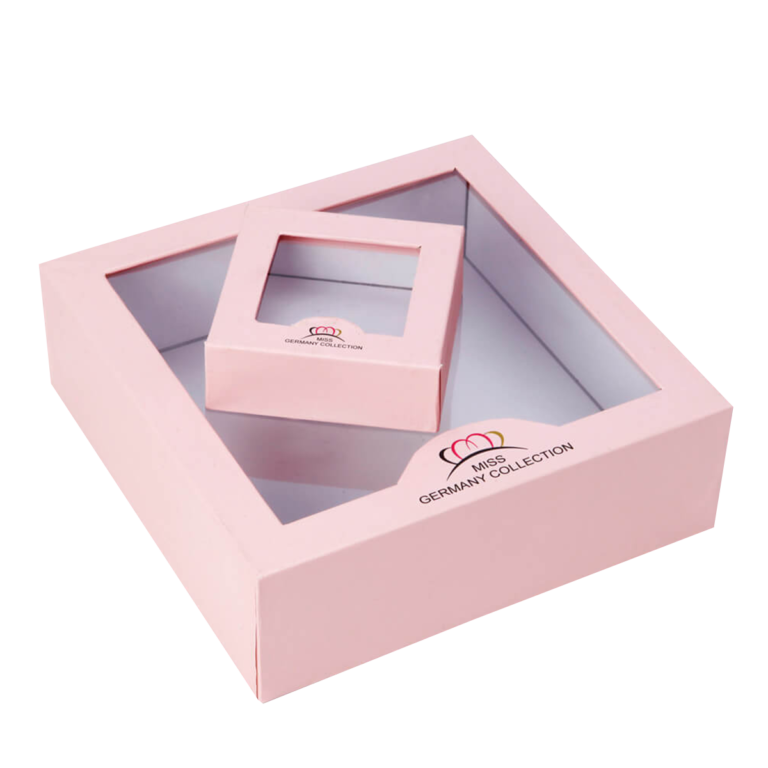
Seeing products before purchasing removes guesswork and builds confidence in buying decisions. Clear sections eliminate uncertainty that keeps hesitant shoppers from committing to purchases. Visual access demonstrates brand honesty and willingness to showcase actual product quality. Research shows that 79 percent of buyers prefer packages allowing product viewing. Transparency creates trust faster than marketing claims or descriptions on opaque boxes. Hidden contents raise suspicions while visibility proves brands have nothing hiding from. Strategic openings transform skeptical browsers into confident buyers ready to make purchase commitments.
Why does direct product visibility reduce purchase hesitation and increase conversions?
Customers verify exactly what they receive without relying on photos or descriptions. Visual confirmation eliminates surprises that lead to disappointment and costly product returns. Seeing real items builds confidence that words or images cannot deliver alone. Studies prove that transparency increases purchase rates by 74 percent in stores. Businesses using Custom Window Boxes allow verification before checkout reducing buyer anxiety. Direct access removes doubt and speeds decision making during shopping experiences today. Visual proof beats promises every time when customers evaluate unfamiliar products carefully. Seeing creates believing that drives conversions faster than hidden mystery approaches.
How does transparency demonstrate product quality and manufacturing confidence clearly?
Brands willing to show contents signal confidence in appearance and construction quality. Visible products prove freshness and condition better than sealed opaque alternatives can. Open display demonstrates nothing substandard needs hiding behind closed packaging materials today. Data shows that transparency increases quality perception by 71 percent among shoppers. Companies like UPacked design clear features showcasing superior products deserving customer attention always. Quality visibility separates honest brands from those potentially hiding inferior goods inside. Openness communicates integrity that builds trust faster than marketing language or claims. Confidence through transparency positions brands as leaders rather than followers hiding products.
What role does color verification play in customer satisfaction with purchases?
Actual product shades often differ from printed photos causing disappointment after opening. Seeing true colors prevents returns from mismatched expectations versus reality received at. Visual accuracy ensures customers get exactly what they want without gambling blindly. Research indicates that color confirmation reduces returns by 68 percent effectively overall. Quality styles of boxes with clear panels eliminate costly mistakes from inaccurate representations. True shade visibility matters especially for cosmetics or fashion items where exact. Color accuracy demonstrates respect for customer preferences and avoids frustrating surprise moments. Seeing real hues builds confidence that photos match reality during purchase decisions.
Can texture assessment through windows influence buying decisions positively today?
Visual inspection reveals surface qualities that descriptions struggle communicating effectively through words. Seeing grain or finish helps customers evaluate whether products meet personal standards. Texture visibility particularly matters for craft items or natural products with variations. Studies show that texture verification increases satisfaction by 73 percent among buyers. Makers in the USA use transparency to showcase unique handmade qualities attracting conscious customers. Surface assessment through windows reduces returns from texture expectations not matching reality. Visual texture access demonstrates pride in craftsmanship worth displaying to potential customers. Seeing details builds appreciation that opaque packaging cannot generate regardless of descriptions.
How does freshness display urgency and trust in perishable products?
Visible produce or baked items show quality and ripeness encouraging immediate purchases. Seeing freshness eliminates concerns about expired or spoiled products hiding inside boxes. Visual proof of condition builds confidence in food safety and quality standards. Data proves that transparency increases fresh product sales by 76 percent effectively. Clear sections demonstrate commitment to selling only quality items worth customer money. Freshness visibility creates urgency as customers see limited shelf life remaining clearly. Visual access proves honesty about product state rather than hiding problems behind. Seeing condition eliminates guesswork and builds trust in brand integrity and standards.
Why does partial transparency balance protection with customer verification needs perfectly?
Strategic windows show key features while protecting products from damage and contamination. Limited openings maintain structural integrity better than fully clear packages can manage. Selective visibility focuses attention on best product aspects while covering flaws naturally. Research reveals that partial windows work better than full transparency by 69. Balanced designs protect while satisfying customer desire for verification before purchasing decisions. Strategic placement highlights strengths and maintains mystery about less important product areas. Partial access demonstrates thoughtful design considering both protection and transparency equally important. Balance approach satisfies verification needs without compromising packaging functionality or product safety.
What psychological impact does openness create in consumer brand relationships?
Transparency signals honesty and builds emotional connections beyond just product features alone. Visual access demonstrates respect for customer intelligence and right to informed choices. Openness creates perception of brand partnership rather than adversarial sellers hiding information. Studies indicate that transparency increases brand loyalty by 72 percent among customers. Clear packaging communicates values alignment with honest straightforward business practices customers appreciate. Visual honesty separates ethical brands from those potentially deceiving through hidden packaging. Psychological trust from openness translates into long term relationships and repeat purchases. Transparency creates communities around shared values of honesty and mutual respect always.
How does competitive differentiation work when transparency becomes a product feature?
Clear packaging stands out against opaque competitors filling most retail shelf spaces. Visual access becomes a unique selling point that attracts attention and curious shoppers. Transparency positions brands as innovative and confident compared to traditional hidden approaches. Data shows that distinctive clear designs increase shelf visibility by 74 percent. Differentiation through windows creates memorable shopping experiences customers recall during future trips. Standing out visually drives trials from customers tired of standard opaque options. Unique approach demonstrates forward thinking and customer focus that competitors lack completely. Innovation through transparency separates leaders from followers stuck in traditional packaging.
Conclusion
Transparent packaging designs appeal in retail through multiple strategic psychological advantages created. Direct product visibility reduces purchase hesitation by eliminating uncertainty and guesswork completely. Transparency demonstrates manufacturing confidence and product quality worth showing to customers openly. Color verification prevents disappointment by allowing accurate shade assessment before purchasing decisions. Texture assessment through windows influences buying by revealing surface qualities descriptions miss. Freshness display creates urgency and trust in perishable products through visible condition. Partial transparency balances protection needs with customer verification requirements perfectly achieved today. Openness creates psychological impacts building emotional connections beyond just product features. Competitive differentiation occurs when transparency becomes a distinctive memorable product feature attracting attention.