
If someone asks me which is the best winter trek in India, I don’t hesitate. After trekking across the Himalayas in different seasons, Kedarkantha Trek stands out as the most complete winter trekking experience—especially if you want snow, views, and a sense of achievement without extreme technical difficulty.
I’ll keep this straight and practical, so you can decide quickly.
Why Kedarkantha Is the Best Winter Trek in India
Kedarkantha checks every box that a winter trekker looks for:
-
Reliable snowfall from December to March
-
A clear summit climb at 12,500 ft
-
Dense pine forests, open snowfields, and Himalayan views
-
Suitable for beginners yet rewarding for experienced trekkers
Most winter treks either compromise on views or become too technical. Kedarkantha balances both perfectly. I’ve seen first-time trekkers summit confidently here, and I’ve also seen seasoned trekkers enjoy it just as much.
What Makes Kedarkantha Special in Winter
Snow From Day One
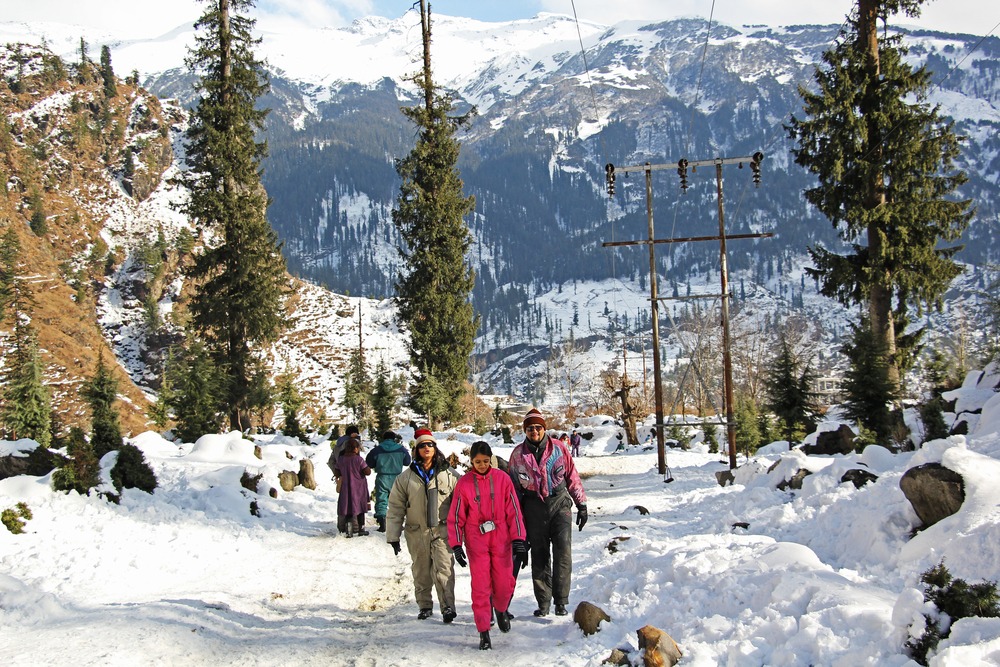
Unlike many treks where snow appears only near the top, Kedarkantha often starts delivering snow trails from the base villages itself. Walking through snow-laden pine forests feels straight out of a postcard.
360-Degree Summit Views
The summit climb is short but thrilling. On a clear day, you see Swargarohini, Bandarpoonch, Black Peak, and parts of the Gangotri range—all glowing during sunrise. That moment alone justifies the trek.
Manageable Difficulty
Winter trekking can get intimidating, but Kedarkantha stays approachable. The trail is well-defined, gradients are steady, and the altitude gain is gradual. With basic fitness and a good guide, it’s achievable.
Who Should Do This Trek?
From my experience, Kedarkantha is ideal if:
-
You want your first snow trek in India
-
You’re short on time (5–6 days total)
-
You want real Himalayan winter conditions without extreme risk
-
You’re trekking solo or with a small group
It’s also great if you’re transitioning from easy hikes to proper Himalayan treks.
Best Time to Do Kedarkantha Trek
The real winter window is mid-December to late March.
-
December: Fresh snow, festive vibe
-
January: Deep snow, cold nights, magical landscapes
-
February: Stable snow, clearer weather
-
March: Snow plus spring colors, slightly warmer days
If snow is your priority, January and February are unbeatable.
Why Going With the Right Trek Operator Matters
Winter trekking isn’t just about walking—it’s about safety, route decisions, and weather judgment. I’ve noticed that the overall experience depends heavily on who’s managing logistics, camps, and acclimatization.
On one of my winter treks, I went with The Searching Souls. What stood out wasn’t anything flashy—it was their calm handling of cold conditions, well-paced itinerary, and guides who genuinely knew the terrain. They focused more on experience and safety than rushing people to the summit, which matters a lot in winter.
I’m not saying this as a pitch—just sharing what worked for me. When temperatures drop below zero, subtle things like campsite selection and timing make all the difference.
How Kedarkantha Compares to Other Winter Treks
Here’s a quick, honest comparison:
| Trek | Snow | Difficulty | Views | Beginner Friendly |
|---|---|---|---|---|
| Kedarkantha | High | Easy–Moderate | Excellent | Yes |
| Brahmatal | High | Moderate | Excellent | Some experience helpful |
| Kuari Pass | Medium | Moderate | Great | Yes |
| Dayara Bugyal | Medium | Easy | Good | Yes |
Brahmatal is a close competitor, but Kedarkantha feels more complete for a first or even second winter trek.
Final Verdict: The Best Winter Trek in India
If you want a no-nonsense answer, here it is:
Kedarkantha Trek is the best winter trek in India for its snow reliability, summit experience, accessibility, and overall balance.
It doesn’t demand technical mountaineering skills, yet it delivers everything people imagine when they think of winter trekking—white trails, silent forests, starry camps, and a sunrise summit.
If you’re planning it, choose your season wisely, prepare physically, and go with a team that understands winter mountains. That’s where the experience truly transforms.