Streetwear has evolved from a niche subculture into a global fashion movement, shaped by music, art, and the lived experiences of urban youth. Among the labels that have managed to capture this cultural shift, Trapstar stands out as a symbol of identity rather than just a clothing name. Its rise is closely tied to the communities that wear it, support it, and give it meaning beyond fabric and logos. Understanding which fashion communities connect most strongly with this label helps explain why it continues to influence modern style across borders.
How Do Urban Streetwear Enthusiasts Connect With This Brand?
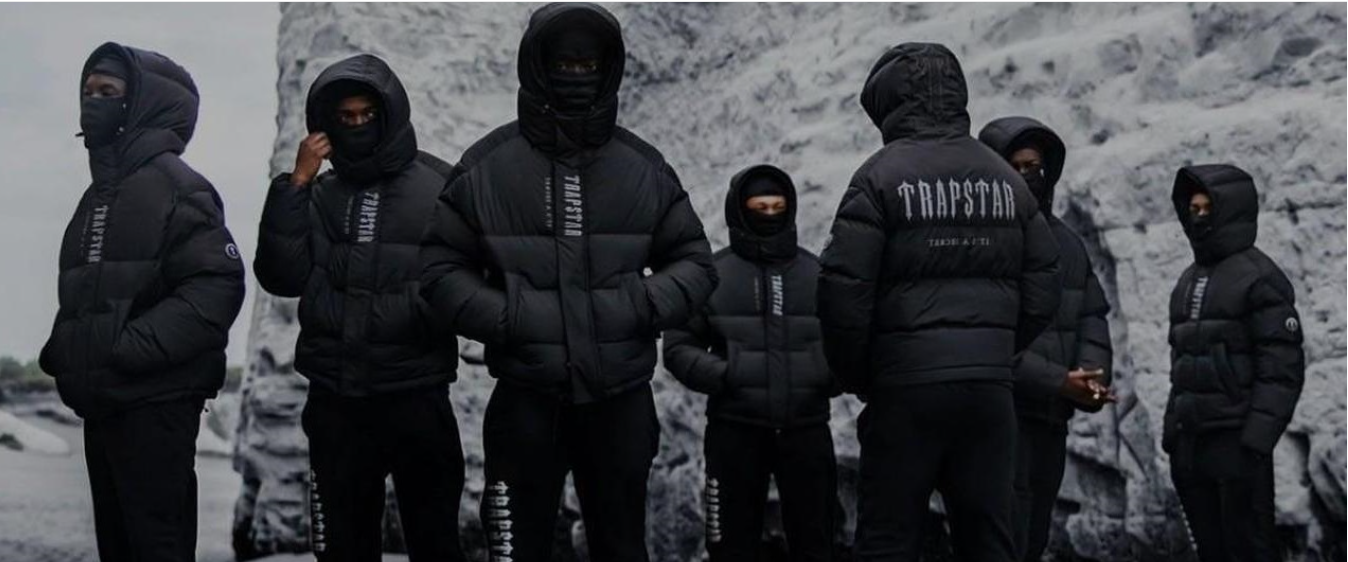
Urban streetwear enthusiasts are often the first community to embrace brands that reflect real city life. For them, clothing is a form of storytelling, expressing ambition, struggle, and creativity. Trapstar resonates deeply within this group because it mirrors the raw energy of inner-city environments, where fashion becomes a voice. Hoodies, graphic tees, and bold outerwear appeal to people who want authenticity over polished luxury. This community values brands that feel lived-in and expressive, making this label a natural fit for their everyday style choices.
Why Does Hip-Hop Culture Identify So Strongly With the Label?
Hip-hop culture has always been intertwined with fashion, using clothing to project confidence and individuality. Artists, producers, and fans alike gravitate toward styles that reflect their lifestyle and message. Trapstar aligns with hip-hop’s emphasis on self-made success and street credibility. When performers wear pieces on stage or in music videos, it strengthens the bond between sound and style. For this community, fashion is not separate from music; it is part of the same narrative of hustle, ambition, and self-expression.
What Makes Youth Fashion Communities Embrace the Brand?
Youth fashion communities are driven by experimentation and a desire to stand out. Younger audiences often look for brands that feel rebellious and current rather than traditional. Trapstar appeals to them by blending edgy graphics with wearable silhouettes, allowing teens and young adults to express confidence without following mainstream fashion rules. Social media plays a huge role here, as outfits shared online inspire peers and create trends rapidly. The brand’s strong visual identity makes it easy for youth communities to adopt and reinterpret its style in their own way.
How Do Creative and Artistic Communities Relate to the Style?
Artists, designers, photographers, and creatives often see clothing as an extension of their work. For them, fashion is a canvas. Trapstar attracts this group because of its bold messaging and graphic-driven designs, which feel closer to art than mass production. Creative communities appreciate brands that challenge norms and spark conversation. Wearing such pieces becomes part of their artistic persona, signalling independence and originality. This connection helps the brand move beyond fashion into the broader creative culture.
Why Is the Brand Popular Within Global Street Culture?
Street culture is no longer limited to one city or country; it is a global language. From London to New York to Tokyo, people recognise the shared values of resilience and self-expression. Trapstar has successfully crossed borders by staying true to its roots while appealing to international audiences. Global street culture communities admire brands that maintain authenticity while adapting to diverse environments. This balance allows the label to feel local and global at the same time, strengthening its worldwide appeal.
How Do Sneaker and Outfit Curator Communities Support It?
Sneakerheads and outfit curators are highly influential in modern fashion. They focus on coordination, detail, and storytelling through complete looks. Trapstar fits well into this world because its pieces complement popular sneakers and layered outfits. These communities enjoy mixing statement clothing with carefully chosen accessories, and the brand’s bold designs give them a strong foundation. Their online presence through lookbooks and styling videos further amplifies their visibility and relevance.
What Role Does Social Media Fashion Culture Play?
Social media has created micro-communities built around fashion inspiration and personal branding. Influencers, content creators, and everyday users share outfits daily, shaping trends in real time. Pull Trapstar thrives in this environment because its designs photograph well and convey attitude instantly. Social media fashion culture values brands that communicate confidence and edge within seconds, making the label a frequent choice for visual storytelling. This digital exposure helps connect different communities under one recognisable aesthetic.
Why Does the Brand Unite So Many Communities?
The reason Trapstar connects with so many fashion communities lies in its ability to represent more than clothing. It speaks to urban life, creativity, youth energy, and global street culture without losing its core identity. Each community sees a reflection of its own values in the designs, whether that is ambition, rebellion, or artistic freedom. As fashion continues to evolve, Trapstar remains a unifying symbol for those who view style as a form of expression rather than a trend.