
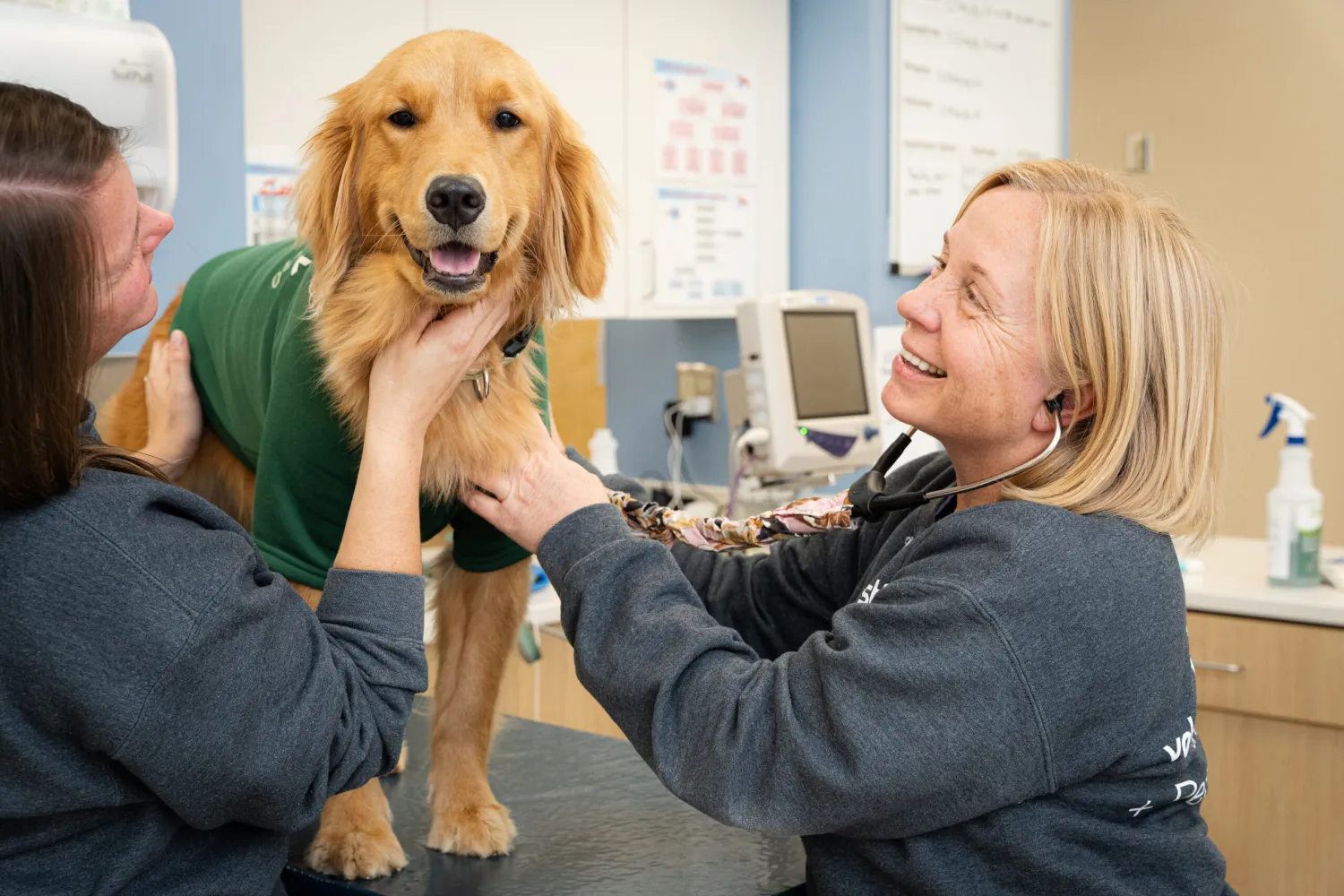
Our pets are cherished members of the family, but unlike humans, they can’t tell us when something hurts. As responsible pet owners, it’s up to us to recognize the subtle and sometimes not-so-subtle signs that a trip to the veterinarian is necessary. Ignoring certain symptoms can turn a minor issue into a serious, costly, or even tragic health crisis. Here are key signs you should never overlook.
Sudden Changes in Behavior or Appetite
A shift in your pet’s normal demeanor is one of the most telling indicators. A usually energetic dog that becomes lethargic or a typically independent cat that suddenly seeks constant hiding is signaling distress. Similarly, a loss of appetite for more than 24 hours, or a dramatic increase in thirst and urination, can point to issues ranging from dental pain and infections to diabetes or kidney disease.
Gastrointestinal Distress
While an occasional upset stomach can happen, persistent symptoms require attention. Repeated vomiting or diarrhea especially if it contains blood can lead to dangerous dehydration and may indicate poisoning, a foreign body obstruction, or a severe illness. Don’t wait it out for more than a day.
Respiratory Issues
Any difficulty breathing is a true emergency. Watch for labored breathing, persistent coughing, choking sounds, or pale/blue-tinged gums. These signs can be linked to heart disease, asthma, respiratory infections, or trauma, and require immediate veterinary intervention.
Problems with Mobility
If your pet is suddenly reluctant to jump, climb stairs, or shows obvious limping or stiffness, they are in pain. This could stem from arthritis, an injury like a torn ligament, or even neurological problems. Early diagnosis can greatly improve their comfort and mobility.
Visible Discomfort or Pain
Signs of pain in animals can be subtle. Look for excessive panting (in cats, this is particularly serious), shaking, whining, restlessness, or a hunched posture. If your pet flinches or growls when touched in a specific area, they are trying to tell you something is wrong.
Changes in Bathroom Habits
Struggling to urinate or defecate is a major red flag. For cats, straining in the litter box with little or no output is a hallmark sign of a potentially fatal urinary blockage. For all pets, increased accidents, blood in urine or stool, or signs of pain during elimination warrant a prompt vet visit.
Other Critical Red Flags
- Eye Issues: Redness, cloudiness, squinting, or discharge can signal injury or infection that may threaten vision.
- Skin and Coat Changes: Persistent itching, hair loss, lumps, bumps, or sores need evaluation for allergies, parasites, or infections.
- Seizures or Collapse: These are immediate emergencies requiring urgent care.
Trust Your Instincts
You know your pet better than anyone. If something feels “off,” even if it’s not on a standard list, it’s always better to err on the side of caution. Regular check-ups are also crucial for preventive care, but being vigilant about these warning signs between visits can save your pet’s life. When in doubt, call your veterinarian. Their guidance can provide peace of mind and ensure your furry friend gets the prompt care they deserve.