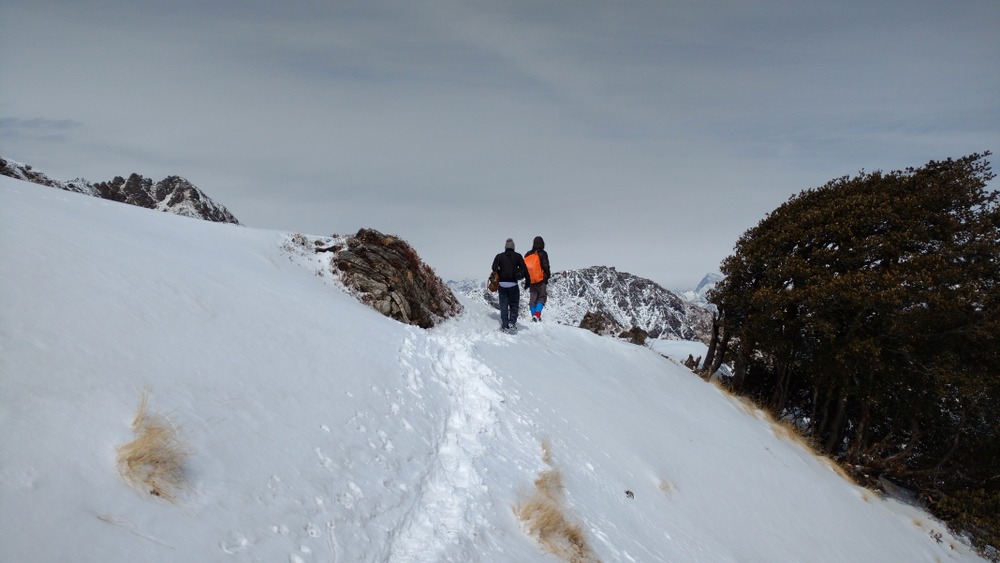
If you’re searching for a clear, no-nonsense answer to when it snows in Kuari Pass, I’ll keep this straightforward. I’ve trekked this region, spoken with local guides, and planned multiple winter itineraries here. Kuari Pass snow season is reliable, predictable, and breathtaking—if you time it right.
Short Answer
It starts snowing in Kuari Pass from late November and continues until early April.
The best snow months are December, January, and February.
Now let me break it down properly so you don’t waste time or money planning the wrong month.
Understanding Snowfall in Kuari Pass
Kuari Pass sits at around 12,500 feet in Uttarakhand’s Garhwal Himalayas. At this altitude, winter snow is not a maybe—it’s a guarantee. Once temperatures drop after autumn, the trail transforms fast.
Snowfall here isn’t random. It follows a clean Himalayan winter cycle:
-
Cold winds from the north
-
Western disturbances bringing steady snowfall
-
Low sun exposure in dense forest sections
This is why Kuari Pass is one of the most consistent winter treks in India.
Month-by-Month Snowfall in Kuari Pass
November – The Beginning of Snow
Snowfall usually begins mid to late November.
I’ve seen light snow patches appear near Tali Top and Kuari Pass summit during this time. Don’t expect deep snow yet, but you’ll notice:
-
White trails at higher altitudes
-
Frosty mornings
-
Clear mountain views (Nanda Devi looks unreal)
Best for trekkers who want cold weather without heavy snow.
December – Proper Winter Snow Starts
December is when Kuari Pass truly turns white.
By early December:
-
Snow covers most campsites
-
Forest trails look magical
-
Temperatures drop below zero at night
By late December, snow depth can reach 1–2 feet, especially after fresh snowfall. This is when I recommend going with an experienced team, as trail conditions change quickly.
January – Peak Snow Month
If your goal is deep snow trekking, January is unbeatable.
What I’ve experienced in January:
-
Thick snow layers (2–4 feet in places)
-
Snow-covered oak and rhododendron forests
-
Frozen streams and dramatic landscapes
It’s cold—very cold—but also the most rewarding. You’ll need:
-
Proper snow gear
-
Gaiters
-
Microspikes
Most solo trekkers don’t attempt this month without guidance, and honestly, that’s a smart call.
February – Stable Snow & Clear Views
February is my personal favorite.
Snow is still deep, but conditions are more stable than January. Days are slightly warmer, skies clearer, and summit views sharper. You still get:
-
Full snow experience
-
Safer trail conditions
-
Better walking hours
If someone asks me the best month for Kuari Pass snow trekking, February is usually my answer.
March – Snow Begins to Melt
Snow doesn’t disappear in March—it just changes form.
Early March:
-
Snow remains on higher sections
-
Slushy trails during afternoons
-
Cold nights still present
By late March:
-
Lower trails start clearing
-
Snow survives mostly near the pass
Great for trekkers who want a mix of snow and spring landscapes.
April – Last Chance for Snow
Early April can still surprise you.
I’ve seen snow patches near the summit in the first half of April, but:
-
It’s no longer a full snow trek
-
Trails are mostly clear
-
Days feel warmer
If snow is your priority, April should be your backup option, not Plan A.
Best Time to Visit Kuari Pass for Snow (Quick Summary)
| Month | Snow Level | Ideal For |
|---|---|---|
| November | Light | Beginners, photographers |
| December | Moderate | Classic winter trek |
| January | Heavy | Hardcore snow lovers |
| February | Heavy & Stable | Best overall experience |
| March | Moderate | Snow + spring mix |
| April | Minimal | Scenic trekking |
Do You Need a Guide for Snow Season?
I’ll be honest—winter Kuari Pass is not the place to experiment solo unless you’re extremely experienced.
Snow hides trails, weather shifts fast, and navigation becomes tricky beyond Tali Top. During my winter planning, I noticed that teams with local knowledge always had smoother ascents.
I’ve seen groups Kuari Pass trektrek with The Searching Souls, and what stood out wasn’t branding—it was how naturally they moved on snow and adjusted plans based on conditions. No rush, no shortcuts. Just steady decision-making, which matters a lot in winter Himalayas.
Not a promotion—just an observation from the trail you can checkout their Kuari Pass trek package to book your trek.
Final Thoughts
So, when does it snow in Kuari Pass?
👉 Late November to early April
👉 December to February for the best snow
👉 February for the safest and most balanced experience
If snow is what you’re after, Kuari Pass delivers—quietly, consistently, and beautifully. Time it right, respect the mountains, and it’ll reward you with one of the most memorable winter treks in India.