Oxygen is something we rarely think about—until breathing becomes difficult. In recent years, Oxygen Gas Cylinders for home use have become increasingly common, especially for patients with respiratory conditions, post-hospital recovery needs, or emergency situations.
But when exactly are oxygen gas cylinders needed at home? Who should use them? And how do you ensure safe and effective usage?
This detailed guide answers all those questions and more, based on real search queries, common concerns, and practical scenarios.
What Are Oxygen Gas Cylinders?
Oxygen Gas Cylinders are pressurised containers filled with medical-grade oxygen. They deliver supplemental oxygen to people who cannot maintain healthy oxygen levels on their own.
They are commonly used in:
-
Homes
-
Hospitals
-
Ambulances
-
Clinics
-
Emergency settings
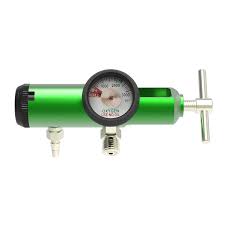
For home use, cylinders are often paired with regulators, flow meters, and oxygen masks or nasal cannulas.
Read more here
When Are Oxygen Gas Cylinders Needed at Home?
Chronic Respiratory Conditions
People with long-term lung diseases often require continuous or intermittent oxygen therapy.
Common conditions include:
-
Chronic Obstructive Pulmonary Disease (COPD)
-
Asthma (severe cases)
-
Pulmonary fibrosis
-
Bronchiectasis
-
Lung cancer
If oxygen saturation levels consistently drop below normal (usually under 90%), doctors may recommend home oxygen support.
Read more here
Post-COVID or Post-Infection Recovery
Many patients recovering from:
-
COVID-19
-
Pneumonia
-
Severe chest infections
experience lingering breathlessness. In such cases, Oxygen Gas Cylinders provide temporary respiratory support during recovery at home.
Tip: Oxygen needs often reduce gradually. Regular monitoring is essential.
Elderly Patients with Breathing Difficulties
Age-related health issues can reduce lung efficiency. Elderly individuals may need oxygen support due to:
-
Weak respiratory muscles
-
Heart-related conditions
-
Limited mobility
Home oxygen allows comfort and reduces hospital visits.
Emergency Backup Oxygen Supply
Some families keep Oxygen Gas Cylinders at home as a precaution for:
-
Cardiac patients
-
High-risk individuals
-
Remote locations with limited hospital access
This is especially useful during power outages when oxygen concentrators cannot function.
Sleep-Related Breathing Disorders
In certain cases of:
-
Sleep apnea
-
Night-time oxygen desaturation
Doctors may recommend supplemental oxygen during sleep, depending on diagnostic results.
Signs That Indicate Oxygen Is Needed at Home
Common Symptoms to Watch For
-
Shortness of breath at rest
-
Bluish lips or fingertips
-
Rapid breathing
-
Chest tightness
-
Extreme fatigue
-
Confusion or dizziness
If these symptoms appear, medical evaluation is critical before starting oxygen therapy.
How Are Oxygen Gas Cylinders Used at Home?
Delivery Methods
Oxygen from cylinders is delivered through:
-
Nasal cannula (most common)
-
Oxygen mask
-
Non-rebreather mask (higher flow needs)
Flow rates are always prescribed by a doctor and measured in litres per minute (LPM).
Duration of Use
Some people need oxygen:
-
Only during activity
-
Only while sleeping
-
Throughout the day
Never adjust oxygen flow without professional guidance.
Oxygen Gas Cylinders vs Oxygen Concentrators
Oxygen Gas Cylinders
Pros:
-
Immediate oxygen supply
-
No electricity needed
-
Ideal for emergencies
Cons:
-
Limited oxygen volume
-
Requires refilling
-
Heavier and less portable
Oxygen Concentrators
Pros:
-
Continuous oxygen supply
-
Cost-effective long-term
-
No refills required
Cons:
-
Needs electricity
-
Not suitable during power failures
Best Practice: Many homes use both—concentrators for daily use and cylinders as backup.
Safety Tips for Using Oxygen Gas Cylinders at Home
Proper Storage
-
Keep cylinders upright
-
Store away from heat and flames
-
Ensure proper ventilation
Fire Safety
Oxygen itself is not flammable but intensifies fire.
Never:
-
Smoke near oxygen
-
Use open flames
-
Use oil or grease on valves
Regular Equipment Checks
-
Inspect regulators
-
Check pressure levels
-
Ensure masks and tubing are clean
Professional servicing is highly recommended.
How Long Does an Oxygen Gas Cylinder Last?
The duration depends on:
-
Cylinder size
-
Flow rate
-
Continuous vs intermittent use
For example:
-
A small cylinder at 2 LPM may last 4–5 hours
-
A larger cylinder can last 8–10 hours or more
Your oxygen provider can calculate exact usage needs.
Who Should Not Use Oxygen Without Medical Advice?
Oxygen therapy should never be self-prescribed.
Incorrect use can:
-
Suppress natural breathing
-
Cause oxygen toxicity
-
Mask serious underlying conditions
Always consult a qualified healthcare professional first.
Choosing the Right Oxygen Supply Provider
When selecting a supplier for Oxygen Gas Cylinders, look for:
-
Medical-grade certified oxygen
-
Emergency delivery availability
-
Professional installation
-
Safety guidance
-
Maintenance support
Why Contact Oxyplus Services Ltd?
For reliable and professional oxygen solutions, it is strongly recommended to contact Oxyplus Services Ltd.
They offer:
-
High-quality medical Oxygen Gas Cylinders
-
Timely delivery services
-
Expert setup and safety guidance
-
Support for home, hospital, and emergency needs
Whether you need short-term oxygen or long-term home support, Oxyplus Services Ltd ensures peace of mind and patient safety.
Frequently Asked Questions (FAQ)
Can oxygen gas cylinders be used without a prescription?
In most cases, no. Medical evaluation is required to determine correct oxygen flow and duration.
Are oxygen gas cylinders safe for home use?
Yes, when used correctly and maintained properly under professional guidance.
How do I know which cylinder size I need?
This depends on your prescribed flow rate and daily usage. Oxygen providers like Oxyplus Services Ltd can assist with proper sizing.
Is oxygen needed all the time?
Not always. Some patients require oxygen only during activity or sleep.
Can oxygen therapy be stopped suddenly?
Only under medical advice. Oxygen needs should be reduced gradually with monitoring.
Final Thoughts
Oxygen Gas Cylinders play a vital role in supporting patients who struggle with breathing at home. From chronic illnesses to emergency backup, their importance cannot be overstated.
However, correct usage, safety awareness, and professional support are essential. If you or a loved one needs oxygen at home, always consult medical professionals and choose a trusted provider.
For dependable oxygen solutions, contact Oxyplus Services Ltd and ensure safe, timely, and professional oxygen support at home.
Breathing easier starts with the right care.