
If you are a student, then you know that nothing beats the joy of completing your thesis. You have sacrificed your time, sleep, and health in finishing your research. Researching, writing, and getting it approved is another story.
Now, it is finally time to wrap up your months of work and bind it for a presentable look. In short, you are at the final stage of your thesis completion and now have to look for durable binding options to submit it to your institution.
However, do not take your binding options lightly. The right option will preserve your work for years to come, while the wrong one can send off a wrong impression of you as a researcher.
Thus, if you are in search of good binding options for your thesis, then this blog is for you. Keep reading to find out what binding options you could explore and which one could fit your requirements.
Popular Thesis Binding Methods
Before you submit your thesis, there is one last detail to make it nicely put together: the binding. You can either search for custom print and binding services Toronto or select from the most common and standardized methods below:
1. Hardcover Binding
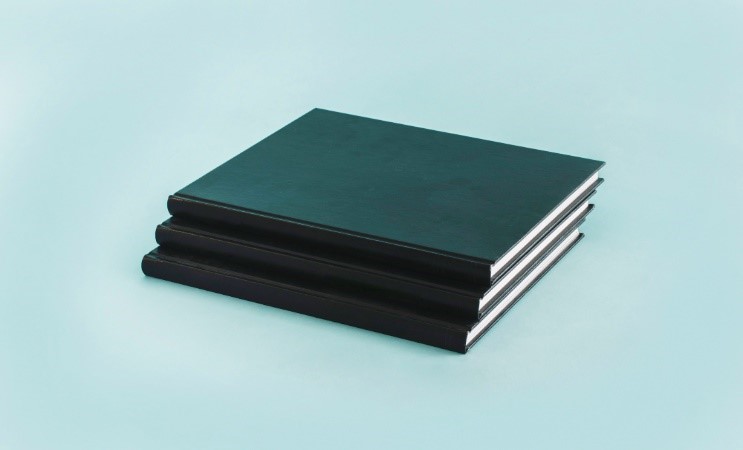
This type of binding is the most traditional and trusted method of binding. It is mostly preferred for formal submissions. Universities that require a durable, archival feel for theses make hardcover binding mandatory.
This binding includes a hard cover for the front and back, which comes in colors like green, navy, and black. It can be customized with gold or silver foil lettering on the cover page, which will include details like your name, the research title, and the name of the institution.
2. Softcover Binding
Softcover binding is the second most popular option for students who do not require a formal submission. This type of binding can be found in books as well. It is also less expensive than hardcover binding, which is on the costly side.
When it comes to customizing in this binding, the options are endless. You can add a cover photo, logos, fonts, and play with colors to elevate the cover page.
However, do not go overboard; you still want to maintain professionalism and academic standards when binding.
If you are having a hard time finding the right binding services, then you can also consult thesis writing services Toronto. They can give you the best advice regarding your thesis binding.
3. Spiral or Wire Binding

This type of binding is the most basic and simplest method, while also being the least expensive option. The cover page is transparent, so details like your title and the university’s name are visible.
This binding comes in handy during presentations or viva. The pages are fastened by either wired or plastic spirals, which allows flexibility in moving from page to page.
As for the back cover, you can get it customized in any color. This may not be the best option for final submissions, but it is useful in supporting your material and keeping it safe in one place.
4. Thermal Binding
To give your thesis a sleek and simple look, thermal binding is a great option. In this binding, the pages are secured using a heat-activated adhesive. This option is suitable for small research papers or emergency printouts.
It can also be used if you are submitting your thesis for supervisor revision, internal reviews, keeping a personal copy for yourself, or getting a printout of your draft for editing purposes. It adds a clean, modern touch to our thesis without the bulk of a hardcover.
5. Comb Binding
In this option, a punching machine is used on the papers. Then, the pages are attached with a plastic comb with several rings, depending on the paper size and quality. This is the easiest option for binding your thesis, and you can also do it yourself or with the help of a peer.
Once you bind your thesis in any of these options, you should prepare yourself to publish your paper. In this regard, start searching for affordable academic journal publication services.
These services can not only publish your work but also provide other services, such as editing and proofreading for the final touches.
Factors to Consider When Thesis Binding
Now that you are aware of all your options, it is best to consider a few elements before you make your pick.
First, see if you need color printing or black-and-white. A black-and-white printout is best if your paper has few colors, graphs, or pictures. It is also less costly than color printing, which could get expensive as the number of pages increases.
Secondly, choose the quality of your paper wisely. The most common option is 80g/m², but its quality is not very durable, and back-to-back printing can diminish the look of your thesis. It is suggested that you choose a 100g/m², which is best for academic purposes.
And lastly, know your budget. If you are required to follow the binding guidelines by your university, then you can talk to different binding services. But if there are no such requirements, then you can select the binding option that fits your price range.
Frequently Asked Questions
How long does binding take?
Other than hardcover binding, most of the options only take a day. On the other hand, hardcover binding can take 2-3 days and even a whole week, depending on your requirements.
Which binding lasts the longest?
Among the options we provided, hardcover binding is the most durable due to its protective exterior and high-quality pages.
Can I bind multiple copies differently?
Yes, you can use different bindings for multiple copies depending on whether you need copies for formal submission, internal revision, or a presentation.
Key Takeaways Before You Bind
You did your job with writing and completing your thesis diligently. Now it is time to make the right call to enhance the final look of your paper.
Go through the options stated in this blog carefully, consider the factors we suggested, then make the best final decision for your thesis binding option.