Bloating is one of the most common digestive complaints that people experience. It’s that uncomfortable feeling of fullness, tightness, or swelling in the abdomen — often accompanied by excessive gas, burping, or distension. While occasional bloating is normal, frequent or severe bloating may point to an underlying digestive issue that needs medical attention.
If you experience persistent bloating, consulting the best gastro doctor in Noida can help identify the root cause and provide effective treatment options based on your condition.
Understanding Bloating
Bloating occurs when the gastrointestinal (GI) tract becomes filled with air, gas, or digestive contents that are not moving efficiently. This trapped gas or sluggish digestion can make your abdomen feel enlarged, tight, or painful.
The sensation may be mild or severe, and in some cases, it can interfere with daily activities or cause embarrassment.
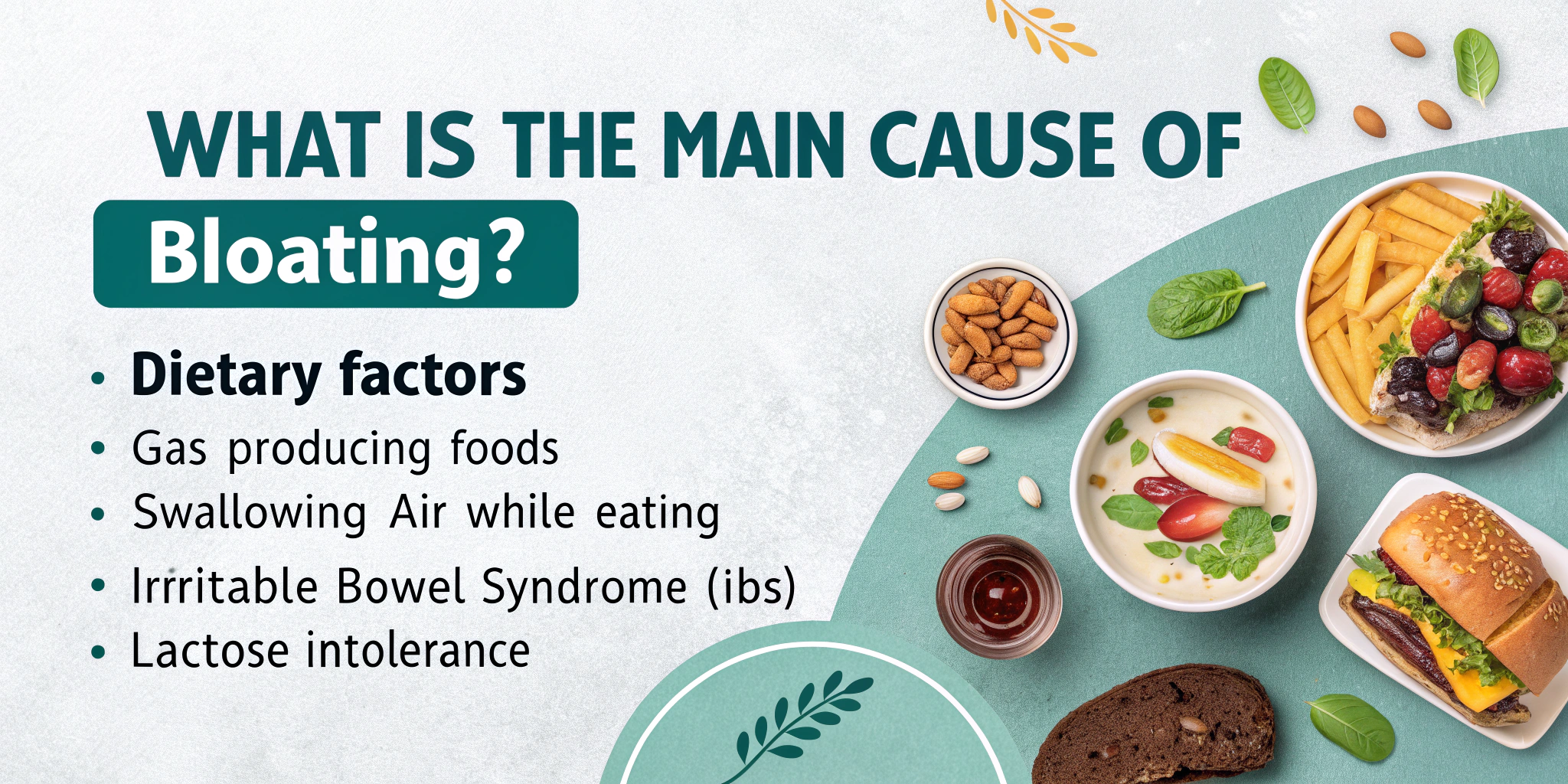
Main Causes of Bloating
1. Overeating or Eating Too Quickly
One of the most common reasons for bloating is eating large meals or eating too fast. When you eat quickly, you swallow more air (aerophagia), which gets trapped in the stomach and intestines, leading to gas and bloating.
Tip: Eat smaller portions slowly and chew your food properly to reduce air intake.
2. Gas Production During Digestion
Some foods naturally produce more gas as they are broken down in the intestine. Foods high in carbohydrates, such as beans, lentils, onions, broccoli, cabbage, and carbonated drinks, can increase gas formation.
Tip: Identify and limit foods that trigger excessive gas or bloating for you.
3. Food Intolerance
People who are lactose intolerant (sensitive to milk sugar) or gluten intolerant (celiac disease) often experience bloating, abdominal pain, and flatulence. The body’s inability to digest certain components leads to fermentation in the gut and gas buildup.
Tip: Consult a gastroenterologist for proper testing if you suspect lactose or gluten intolerance.
4. Constipation
When bowel movements are infrequent, gas gets trapped behind stool in the colon, leading to a bloated and uncomfortable abdomen. Constipation may result from low fiber intake, dehydration, or sedentary habits.
Tip: Increase dietary fiber, stay hydrated, and stay physically active to improve bowel regularity.
5. Swallowed Air (Aerophagia)
Frequent gum chewing, drinking through straws, or talking while eating can cause you to swallow more air, which then causes bloating.
Tip: Avoid carbonated beverages, chewing gum, and smoking to minimize air ingestion.
6. Hormonal Changes
Women often experience bloating before or during menstruation due to hormonal fluctuations that cause water retention and slower digestion.
Tip: Maintain a balanced diet and reduce salt intake to prevent water retention-related bloating.
7. Irritable Bowel Syndrome (IBS)
IBS is one of the leading medical causes of chronic bloating. It’s a functional digestive disorder characterized by symptoms like abdominal pain, irregular bowel habits, and excessive gas.
Tip: The best gastro doctor in Noida can perform diagnostic tests and create a customized treatment plan for IBS management.
8. Gut Microbiota Imbalance
The gut is home to trillions of bacteria that aid digestion. An imbalance in these bacteria (called dysbiosis) can result in excessive gas, poor digestion, and bloating.
Tip: Including probiotics like yogurt or kefir in your diet can help restore healthy gut flora.
9. Medical Conditions
In rare cases, persistent bloating may indicate a more serious condition, such as:
- Gastroesophageal reflux disease (GERD)
- Peptic ulcers
- Gallbladder stones
- Inflammatory bowel disease (IBD)
- Small intestinal bacterial overgrowth (SIBO)
If bloating is accompanied by symptoms like unexplained weight loss, vomiting, or severe pain, seek immediate medical advice from the best gastro doctor in Noida.
Foods That Commonly Cause Bloating
|
Category |
Examples |
Why It Causes Bloating |
| High-FODMAP foods | Beans, lentils, onions, garlic | Ferment in gut producing gas |
| Carbonated drinks | Soda, beer, sparkling water | Introduce excess air into stomach |
| Dairy products | Milk, cheese, ice cream | Contain lactose (problematic for intolerant people) |
| Cruciferous vegetables | Broccoli, cabbage, cauliflower | Produce sulfur-based gases |
| Processed foods | Chips, fast food, salty snacks | Cause water retention and sluggish digestion |
How to Prevent or Reduce Bloating
- Eat slowly and chew thoroughly.
- Avoid chewing gum and carbonated beverages.
- Reduce salt and processed food intake.
- Increase dietary fiber gradually to prevent constipation.
- Stay hydrated—drink at least 2–3 liters of water daily.
- Exercise regularly to improve digestion.
- Manage stress, as it affects gut movement and can trigger IBS.
When Should You See a Doctor?
You should seek medical advice if bloating is:
- Persistent or worsening
- Associated with pain, nausea, vomiting, or diarrhea
- Accompanied by weight loss, fatigue, or blood in stool
These symptoms may indicate an underlying gastrointestinal condition that needs diagnosis and treatment.
Consulting the best gastro doctor in Noida can help identify whether your bloating is due to a simple dietary issue or a more complex digestive disorder. The specialist may recommend:
- Blood and stool tests
- Ultrasound or endoscopy
- Food intolerance tests
- Gut microbiota analysis
Treatment typically includes diet modification, medications to relieve gas or acid, and managing the root cause effectively.
FAQs:
1. Is bloating always caused by gas?
Not always. It can also be caused by slow digestion, constipation, or water retention.
2. Can stress cause bloating?
Yes. Stress affects gut motility and hormone levels, which can lead to bloating and stomach discomfort.
3. How long does normal bloating last?
Occasional bloating after a heavy meal usually subsides within a few hours. Persistent bloating should be evaluated by a gastroenterologist.
4. Can probiotics help with bloating?
Yes. Probiotics help restore gut balance and improve digestion, which can reduce gas and bloating.
5. Who is the right specialist for chronic bloating?
A gastroenterologist is the best specialist to diagnose and treat chronic bloating and other digestive disorders. If you’re in Delhi NCR, you can consult the best gastro doctor in Noida for personalized evaluation and care.
Conclusion
Bloating is often caused by dietary habits, food intolerances, constipation, or digestive disorders like IBS. While occasional bloating is harmless, frequent or severe symptoms should not be ignored. Identifying the cause is the first step toward relief.
For expert diagnosis and personalized care, consult the best gastro doctor in Noida. With proper medical advice, dietary changes, and lifestyle adjustments, most people can overcome bloating and restore healthy digestion.