Accurate flow measurement is the backbone of efficient and safe industrial operations. From controlling production processes to managing energy consumption and ensuring product quality, industries depend heavily on precise flow data. As modern plants increasingly adopt electronic equipment, automation systems, and digital control technologies, the risk of measurement errors caused by electrical noise has grown significantly. One of the most serious challenges affecting electronic instruments today is electromagnetic interference (EMI). EMI can distort signals, create unstable readings, and compromise system reliability. This is why the electromagnetic interference resistant flow meter has become an essential solution for modern industrial environments, where accuracy, stability, and reliability are non-negotiable.
Understanding Electromagnetic Interference (EMI)
Electromagnetic interference (EMI) refers to unwanted electrical or magnetic signals that disrupt the normal operation of electronic devices. In industrial facilities, EMI is extremely common because of the heavy use of electrical equipment and high-power machinery.
Typical sources of EMI include motors, variable frequency drives (VFDs), transformers, welding machines, high-voltage cables, and power distribution systems. These devices generate electromagnetic fields that can interfere with sensitive measurement instruments.
What Is an Electromagnetic Interference Resistant Flow Meter?
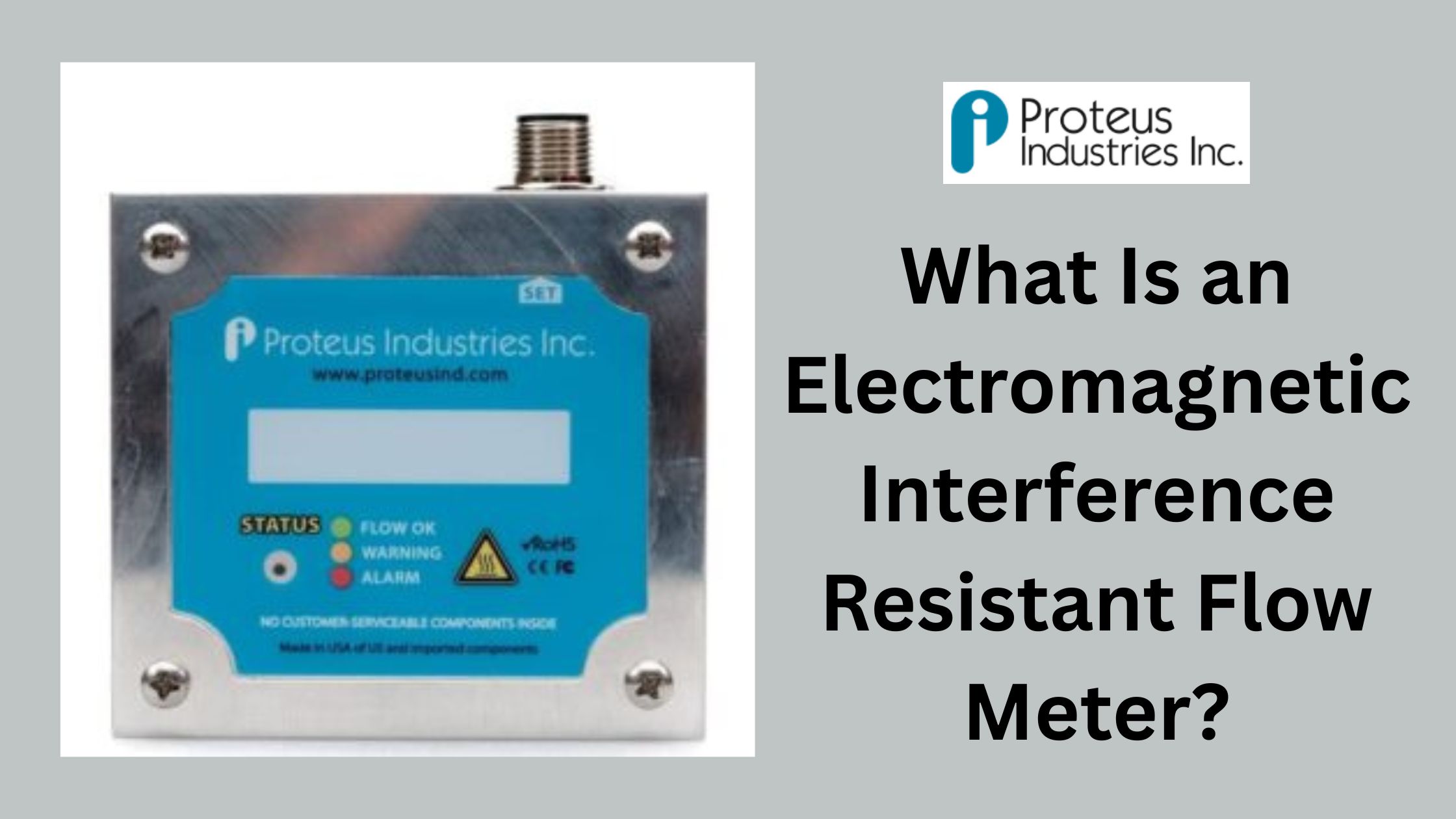
An electromagnetic interference-resistant flow meter is a specialized flow measurement device designed to operate accurately and reliably in environments with high levels of electrical noise. Its core purpose is to protect measurement signals from the harmful effects of EMI while maintaining stable and precise flow data.
Unlike standard flow meters, which may be vulnerable to electrical disturbances, EMI-resistant models use advanced shielding, grounding, filtering, and isolation techniques. These features ensure that the flow signal remains clean, stable, and unaffected by external electromagnetic noise, even in electrically harsh environments.
How EMI-Resistant Flow Meters Work?
EMI-resistant flow meters use several layers of protection to ensure signal integrity. Shielding is one of the primary techniques for wrapping cables and internal components in conductive materials to block external electromagnetic fields. Grounding techniques safely divert unwanted electrical noise away from sensitive electronics.
Electrical isolation prevents noise from traveling between different parts of the system. Built-in EMI filters remove unwanted frequencies before they reach the signal processor. Advanced electronics and digital signal processing further refine the measurement, correcting minor disturbances and stabilizing output signals. Together, these technologies enable the electromagnetic interference-resistant flow meter to deliver accurate and reliable data even in noisy industrial environments.
Key Design Features
One of the defining features of EMI-resistant flow meters is the use of shielded cables and connectors that prevent external interference from entering signal lines. Robust housings and protective enclosures safeguard sensitive electronics from environmental and electrical stress.
High-quality grounding systems are carefully engineered to eliminate ground loops and minimize electrical noise. In addition, these meters comply with international EMC and EMI standards, ensuring they meet strict performance and safety requirements.
Why EMI-Resistant Flow Meters Are Important?
EMI-resistant flow meters significantly improve measurement accuracy and stability, especially in environments with heavy electrical activity. They ensure reliable performance in noisy conditions where standard meters may fail.
They reduce downtime and troubleshooting by eliminating false readings and communication errors. This improves process control and enhances automation reliability. When flow data is stable and trustworthy, industrial systems can operate more efficiently, safely, and predictably.
Industrial Applications
Electromagnetic interference resistant flow meters are widely used in industries where electrical noise is unavoidable. These include power generation plants and substations, oil and gas refineries, petrochemical facilities, chemical and pharmaceutical manufacturing units, water and wastewater treatment plants, and heavy industries such as steel and metal processing. In these sectors, stable flow measurement is essential for safety, efficiency, and compliance.
Benefits for Modern Industry
Using EMI-resistant flow meters increases operational efficiency by enabling more accurate control strategies. They enhance safety and regulatory compliance by preventing process errors caused by faulty measurements.
Over time, they reduce operational costs by minimizing downtime, maintenance, and troubleshooting. Most importantly, they improve the reliability of process data, which is critical for automation, analytics, and decision-making.
How to Choose the Right EMI-Resistant Flow Meter?
Selecting the right electromagnetic interference resistant flow meter begins with evaluating the EMI levels in your facility. Understanding process conditions such as fluid type, temperature, and pressure is also essential.
Accuracy requirements, flow range, and response time must be matched to your application. Installation conditions, including cable routing and grounding methods, should be carefully planned. Long-term maintenance and manufacturer support should also be considered before making a final decision.
Conclusion
An electromagnetic interference resistant flow meter is a critical instrument for ensuring accurate, stable, and reliable flow measurement in modern industrial environments. By protecting measurement signals from electrical noise, these meters improve safety, efficiency, automation performance, and operational reliability. As industries continue to advance toward digitalization and smart manufacturing, investing in EMI-resistant flow measurement technology is no longer optional; it is essential for long-term success.