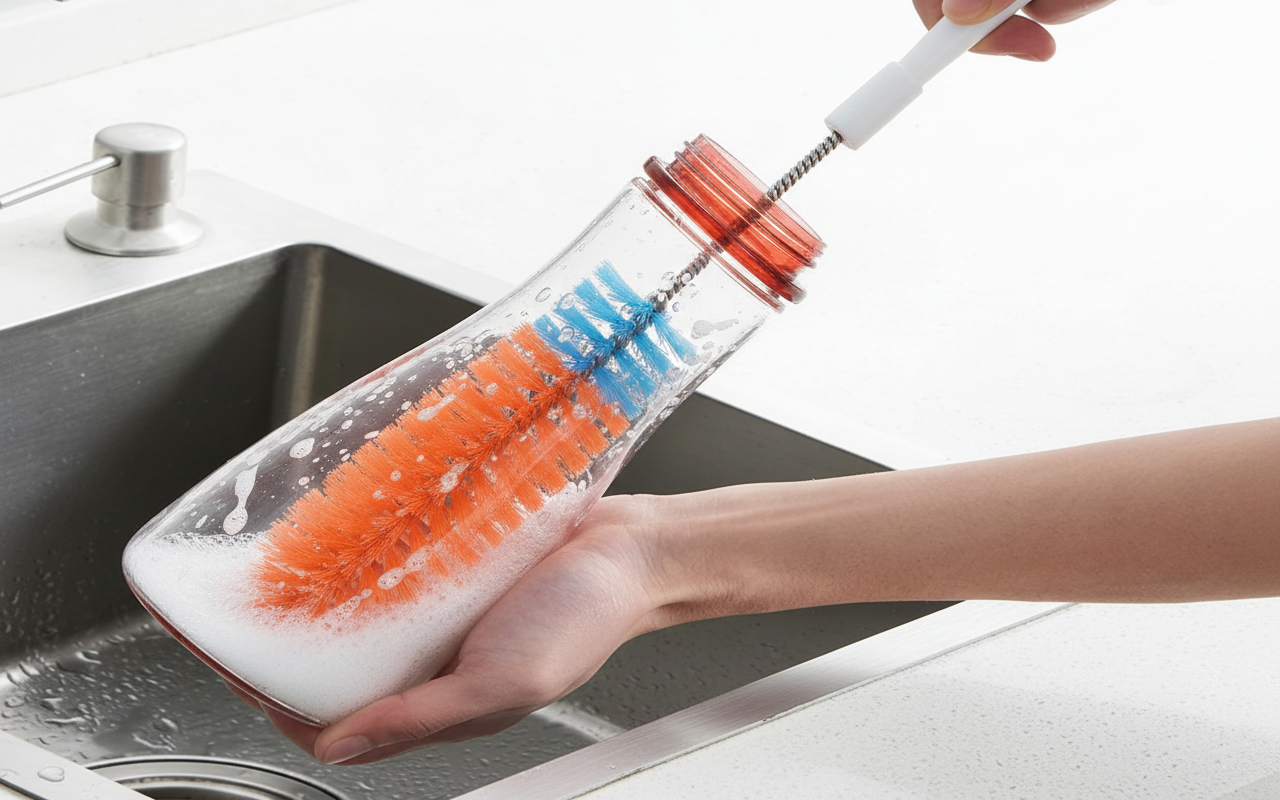
Water bottles are a simple yet vital part of daily life. From school and office to gyms and travel, they accompany us everywhere. Many people focus on convenience or price when buying bottles, but often overlook safety aspects. Using the wrong type of water bottle or ignoring proper maintenance can affect water quality, taste, and overall health.
Plastic water bottles are particularly popular because of their lightweight design and affordability. However, their safety depends on material quality, cleaning habits, and usage frequency. Understanding the risks and best practices helps protect your health while keeping hydration simple and effective.
Why Water Bottle Safety Matters
Health Risks from Low-Quality Materials
Plastic bottles may contain harmful chemicals if made from low-grade materials. Over time, repeated use, exposure to heat, and scratches can increase the chances of chemical leaching. Even BPA-free bottles can absorb odors or retain bacteria in worn areas.
Other materials like stainless steel or glass resist bacteria and odors better, but they have different pros and cons. For instance, glass can break easily, and stainless steel bottles can dent if mishandled. Choosing the right material is critical for daily safe hydration.
Bacteria Growth in Everyday Use
Plastic water bottles often develop microscopic scratches inside the bottle. Moisture, minerals, and bacteria can get trapped in these grooves, causing odors and potential health risks. Even if a bottle is only used for water, bacteria may build up over time, especially if the bottle is not cleaned properly.
Common Mistakes People Make
Neglecting the Lid
Bottle lids often harbor bacteria due to trapped moisture in threads, seals, or corners. Even a thoroughly cleaned bottle body cannot compensate for a contaminated lid. Regular cleaning of the lid, including any rubber seals or small grooves, is essential.
Reusing Old Bottles
Many people reuse plastic bottles for months or years without considering hygiene. Old, scratched, or discolored bottles not only taste unpleasant but may also harbor bacteria or chemical residues. Frequent replacement is essential for safe hydration.
Improper Cleaning Habits
Rinsing a bottle with water only or ignoring the lid leaves bacteria and residue behind. Daily washing with warm, soapy water and occasional deep cleaning with baking soda or vinegar is recommended. Even then, plastic bottles have a limited lifespan and must be replaced when signs of wear appear.
How to Spot Unsafe Bottles
Signs that a water bottle may be unsafe include:
- Persistent foul odor even after cleaning
- Stale or unusual taste in water
- Residue or discoloration inside the bottle
- Cracks or scratches on the plastic surface
When these signs appear, replacing the bottle is safer than attempting to restore heavily worn plastic. Many consumers check Water Bottles Price in Pakistan before purchasing, but prioritizing hygiene is more important than cost.
Comparison Table: Plastic vs Metal vs Glass Water Bottles
| Feature | Plastic Bottles | Metal Bottles | Glass Bottles |
|---|---|---|---|
| Weight | Lightweight and portable | Moderate, slightly heavier | Heavy, less portable |
| Odor Resistance | Low, develops smell over time | High, rarely retains odor | Very high, easy to clean |
| Chemical Leaching | Possible in low-quality plastics | None | None |
| Durability | Moderate, scratches easily | High, can dent but not easily damaged | Low, breaks easily |
| Cleaning Ease | Moderate, may trap bacteria | High, smooth interior, easy to sanitize | High, easy but fragile |
| Cost | Affordable | Slightly higher | Moderate to high |
This table highlights that while plastic is convenient and cost-effective, metal and glass bottles offer better long-term safety and durability for health-conscious users.
Tips for Safe Daily Hydration
- Use high-quality, food-grade plastic bottles
- Wash the bottle and lid thoroughly every day
- Replace bottles showing scratches, discoloration, or persistent odors
- Avoid leaving bottles in hot or sunny environments for extended periods
- Do not use the same bottle for flavored drinks to prevent cross-contamination
Proper care ensures water stays fresh, tastes good, and reduces health risks over time.
Choosing the Right Bottle
When selecting a water bottle, it is important to consider:
- The material quality and manufacturer reputation
- Ease of cleaning and drying
- Intended use, whether for school, office, travel, or sports
Reliable Plastic Bottles Manufacturers in Karachi produce bottles that resist odor, reduce bacterial growth, and are designed for everyday convenience and safety.
Conclusion: Safety Should Come First
Many people focus on price or design when buying water bottles but overlook essential safety factors. Plastic bottles are convenient, lightweight, and widely available, yet their safety depends on proper cleaning, timely replacement, and quality material.
Metal and glass bottles resist odor and bacteria better, though they may be heavier or fragile. Selecting bottles from trusted manufacturers and maintaining proper hygiene ensures safe, fresh, and enjoyable hydration every day. Your water bottle is more than a container it is a key part of health-conscious living.
Visit for news and updates at Quantirum.com