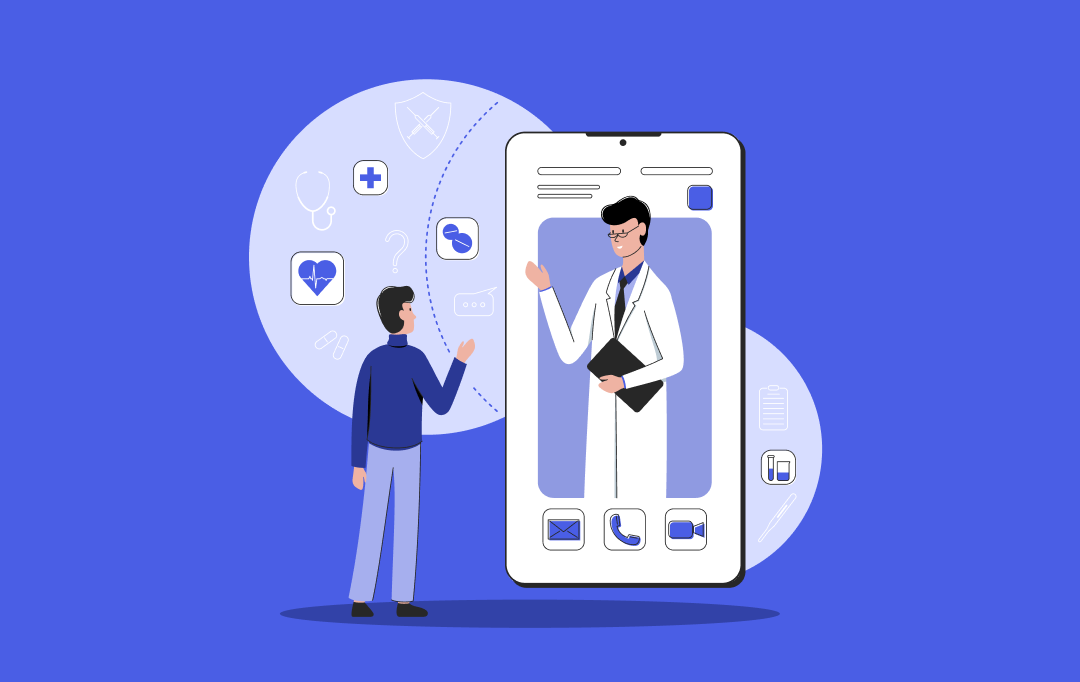
Telemedicine app development has rapidly transformed the way healthcare services are delivered, making medical consultations more accessible, efficient, and patient-centric. With the growing demand for virtual care, healthcare providers and technology companies are investing heavily in digital health solutions that enable patients to connect with doctors remotely. However, the success of a telemedicine platform depends largely on the features it offers. Understanding what features are essential in telemedicine app development is crucial for building reliable, secure, and user-friendly applications that meet both patient and provider needs.
Telemedicine app development is not just about video calls between doctors and patients. It involves a comprehensive ecosystem that supports clinical workflows, ensures data security, enhances user experience, and complies with healthcare regulations. This article explores the essential features required to create effective telemedicine applications and explains why each feature plays a vital role in modern digital healthcare.
Understanding the Scope of Telemedicine App Development
Telemedicine app development refers to the process of designing, building, and deploying digital applications that enable remote healthcare services. These apps allow patients to consult healthcare professionals, share medical data, receive diagnoses, and manage treatments without visiting a physical clinic. The scope of telemedicine app development extends beyond consultations to include monitoring, follow-ups, prescriptions, and health education.
As healthcare systems increasingly adopt virtual care models, telemedicine app development must address clinical accuracy, usability, and security. A well-designed telemedicine app bridges the gap between patients and providers while maintaining the quality of care expected from in-person visits.
User-Friendly Registration and Onboarding
One of the most essential features in telemedicine app development is a simple and intuitive registration process. Patients and healthcare providers should be able to sign up easily using minimal steps. Complicated onboarding processes often discourage users and reduce adoption rates.
A smooth onboarding experience includes guided tutorials, clear instructions, and easy profile setup. Telemedicine app development should prioritize user experience from the first interaction, ensuring that even non-technical users can navigate the app confidently.
Secure User Authentication and Access Control
Security is a critical concern in telemedicine app development due to the sensitive nature of medical data. Strong user authentication mechanisms ensure that only authorized individuals can access the platform. Features such as multi-factor authentication, biometric login, and role-based access control enhance security.
Access control allows different user roles, such as patients, doctors, and administrators, to access only the information relevant to them. This structured approach protects patient privacy and supports compliance with healthcare regulations.
High-Quality Video and Audio Consultations
Video and audio communication are the core components of telemedicine app development. High-quality, real-time video consultations enable doctors to assess patients effectively and provide accurate medical advice. Poor video or audio quality can compromise diagnosis and reduce trust in the platform.
Telemedicine app development should include features such as low-latency streaming, adaptive video quality, and stable connections even on low-bandwidth networks. These capabilities ensure seamless communication between patients and healthcare providers.
Appointment Scheduling and Management
Efficient appointment scheduling is another essential feature in telemedicine app development. Patients should be able to book, reschedule, or cancel appointments easily through the app. Doctors, on the other hand, need tools to manage their availability and consultation schedules.
Automated reminders and notifications help reduce missed appointments and improve overall efficiency. This feature enhances the user experience and ensures smooth coordination between patients and providers.
Electronic Health Records Integration
Access to accurate medical history is vital for effective healthcare delivery. Telemedicine app development should include integration with electronic health records, allowing doctors to review patient histories, lab results, and previous diagnoses during consultations.
This integration ensures continuity of care and reduces the risk of errors. Patients also benefit by having centralized access to their medical information, empowering them to take a more active role in managing their health.
E-Prescriptions and Medication Management
E-prescription functionality is a key feature in telemedicine app development. After a virtual consultation, doctors should be able to prescribe medications electronically. These prescriptions can be sent directly to pharmacies or made available to patients through the app.
Medication management features, such as dosage reminders and refill alerts, further enhance patient adherence to treatment plans. This functionality improves convenience and supports better health outcomes.
Secure Messaging and Communication
In addition to live consultations, secure messaging is an important feature in telemedicine app development. Patients often need to ask follow-up questions or share updates with their healthcare providers outside scheduled appointments.
Secure in-app messaging ensures that these communications remain private and compliant with data protection standards. It also improves patient engagement and strengthens the doctor-patient relationship.
Remote Patient Monitoring Capabilities
Many telemedicine platforms now include remote patient monitoring features. Telemedicine app development can integrate with wearable devices and medical sensors to collect real-time health data such as heart rate, blood pressure, and glucose levels.
This continuous data flow allows doctors to monitor patient conditions remotely and intervene when necessary. Remote monitoring is particularly valuable for managing chronic diseases and post-treatment follow-ups.
Payment and Billing Integration
A seamless payment system is essential in telemedicine app development. Patients should be able to pay for consultations and services securely through multiple payment options. Transparent billing builds trust and simplifies the healthcare experience.
For providers, integrated billing systems help manage invoices, insurance claims, and payment records efficiently. This feature supports the financial sustainability of telemedicine platforms.
Data Privacy and Regulatory Compliance
Compliance with healthcare regulations is non-negotiable in telemedicine app development. Apps must adhere to data protection laws and industry standards to safeguard patient information. Features such as data encryption, secure storage, and audit logs are essential.
Regulatory compliance not only protects users but also builds credibility for the platform. Telemedicine app development must prioritize privacy by design to ensure long-term success.
Multi-Platform Compatibility and Accessibility
Modern users access healthcare services across multiple devices. Telemedicine app development should ensure compatibility with smartphones, tablets, and web browsers. Cross-platform functionality increases reach and convenience for users.
Accessibility features, such as language options and support for users with disabilities, further enhance inclusivity. These considerations make telemedicine services available to a broader audience.
Doctor and Patient Dashboards
Customized dashboards are essential features in telemedicine app development. Patients benefit from dashboards that display appointment history, prescriptions, and health data. Doctors require dashboards that provide quick access to patient information, schedules, and consultation tools.
Well-designed dashboards improve efficiency and help users navigate the platform with ease. They serve as the central hub for all telemedicine activities.
Notifications and Alerts
Timely notifications are crucial for effective communication in telemedicine app development. Alerts for upcoming appointments, medication reminders, and test results keep users informed and engaged.
Notifications enhance adherence to care plans and reduce the likelihood of missed consultations. This feature contributes to better patient outcomes and satisfaction.
Analytics and Reporting Tools
Data analytics play an important role in telemedicine app development. Analytics tools help providers track consultation trends, patient engagement, and clinical outcomes. These insights support data-driven decision-making and continuous improvement.
For administrators, reporting tools provide visibility into platform performance and operational efficiency. Analytics ensure that telemedicine services evolve based on real-world usage.
Scalability and Performance Optimization
As telemedicine adoption grows, platforms must handle increasing user volumes without performance issues. Telemedicine app development should focus on scalability to support future growth.
Optimized performance ensures fast load times, stable connections, and reliable service delivery. Scalability is essential for maintaining user trust and satisfaction.
Integration with Third-Party Services
Telemedicine app development often requires integration with third-party services such as pharmacies, laboratories, and insurance providers. These integrations streamline workflows and enhance the overall healthcare ecosystem.
Seamless data exchange between systems reduces manual effort and improves care coordination. Integration capabilities add significant value to telemedicine platforms.
User Feedback and Support Features
User feedback is essential for improving telemedicine services. Telemedicine app development should include features that allow patients and providers to share feedback easily. Support channels such as chatbots or help desks enhance user experience.
Continuous feedback helps developers refine features and address user concerns promptly. Strong support systems build long-term user loyalty.
Training and Educational Resources
Educational resources are valuable additions to telemedicine app development. Tutorials, FAQs, and health education content help users understand how to use the app and manage their health effectively.
For providers, training resources ensure proper use of clinical tools and workflows. Education enhances adoption and maximizes the benefits of telemedicine solutions.
Future-Proofing Telemedicine App Development
The healthcare industry is constantly evolving, and telemedicine app development must adapt to new technologies and patient expectations. Features such as artificial intelligence, predictive analytics, and advanced monitoring will shape the future of telemedicine.
Building flexible and modular platforms allows for easy updates and feature enhancements. Future-proofing ensures that telemedicine apps remain relevant and competitive.
Conclusion
Telemedicine app development requires a thoughtful combination of clinical functionality, user experience, and robust security. Essential features such as secure authentication, video consultations, electronic health records, e-prescriptions, and remote monitoring form the foundation of successful telemedicine platforms. By integrating these features effectively, telemedicine app development can deliver high-quality, accessible, and patient-centered care.
As digital healthcare continues to expand, understanding what features are essential in telemedicine app development helps organizations build solutions that meet modern healthcare demands. A well-designed telemedicine app not only improves access to care but also enhances efficiency, safety, and long-term health outcomes for patients and providers alike.