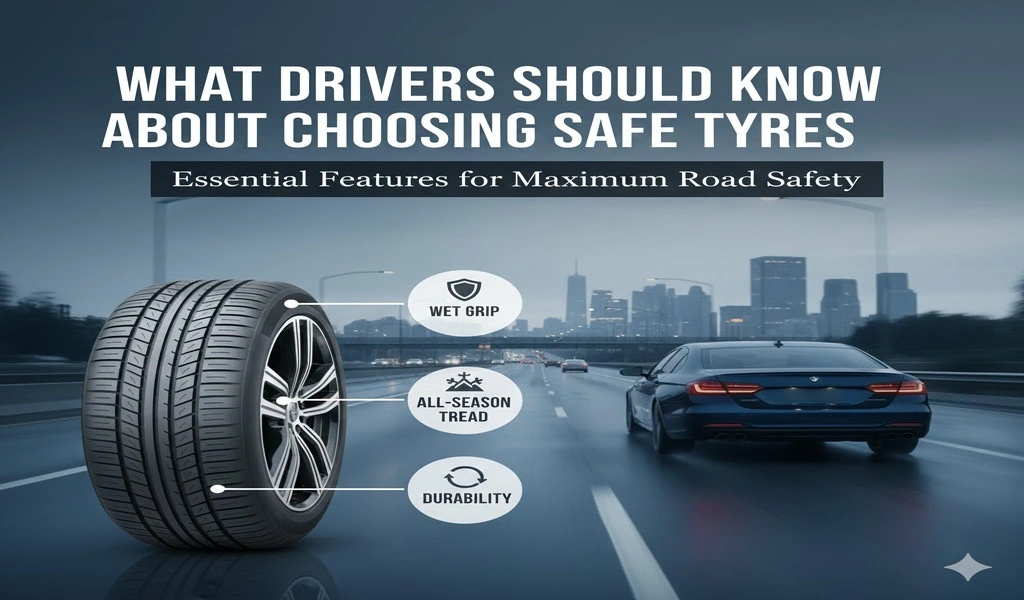
Driving in the United Arab Emirates presents a unique set of challenges for any vehicle owner. The combination of high speeds, intense heat, and diverse road conditions demands reliable equipment. Among all vehicle components, tyres are arguably the most critical for safety. They are the only point of contact between your car and the road surface.
Ensuring that your vehicle is equipped with the right rubber is not just a legal requirement. It is a fundamental step in protecting yourself and your passengers. Many drivers overlook the importance of specific tyre specifications until a problem arises. However, proactive care is the best way to avoid accidents.
The process of choosing safe tyres UAE residents rely on involves understanding local conditions. It requires knowledge about how heat affects rubber and pressure. Making the right choice improves vehicle stability and fuel efficiency. Ultimately, it provides peace of mind on every journey.
Why Tyre Safety Matters in the UAE
The environment in the UAE is far harsher on vehicles than in cooler climates. Summer temperatures often cause road surfaces to exceed 60 degrees Celsius. This intense heat cooks the rubber from the outside while driving generates internal heat.
Consequently, tyres in this region degrade much faster than in other parts of the world. A tyre that might last five years in Europe may only last three years here. Ignoring the signs of wear can lead to catastrophic failure.
Safety is compromised significantly when driving on worn or unsuitable tyres. The ability to stop quickly is reduced, which is dangerous in heavy traffic. Handling becomes unpredictable, especially during sudden lane changes.
Fuel economy also suffers when tyres are not in optimal condition. Increased rolling resistance forces the engine to work harder. This leads to higher fuel consumption and increased mechanical wear. Prioritizing tyre health is an investment in overall vehicle safety.
Tyre Wear and Road Conditions
The roads in Dubai and Abu Dhabi are generally excellent, but hazards exist. Debris, potholes, and construction zones are common in rapidly developing areas. Hitting a pothole at highway speeds can damage the internal structure of a tyre.
Additionally, sand is a constant factor in the region. Sand acts as an abrasive material that wears down tread patterns over time. It can also hide sharp objects that cause slow punctures.
Driving on gravel or unpaved roads accelerates this wear process. Small cuts and chips in the tread can expand under heat. This compromises the structural integrity of the tyre. Regular visual inspections are vital to catch this damage early.
Heat and Inflation Risks
Heat is the silent enemy of tyre safety. As the ambient temperature rises, the air inside the tyre expands. This increases the internal pressure, potentially beyond safe limits.
Over-inflated tyres have a smaller contact patch with the road. This reduces grip and makes the ride significantly harsher. It also increases the risk of a blowout if the tyre hits an object.
Conversely, under-inflated tyres flex more as they roll. This flexing generates excessive internal heat, which destroys the tyre from the inside. Maintaining the correct pressure is a balancing act that changes with the seasons.
How to Select Safe Tyres for Your Vehicle
Selecting the right tyres is not as simple as picking the cheapest option. It requires matching the tyre specifications to your vehicle’s requirements. Every car is designed to perform best with a specific size and type of tyre.
You must consider the type of driving you do most often. A daily commuter has different needs than an off-road enthusiast. Understanding the markings on your tyre sidewall is the first step.
Consult your vehicle owner’s manual for the manufacturer’s recommendations. This ensures that you maintain the handling characteristics intended by the engineers. It also ensures that your speedometer and safety systems function correctly.
Consider Tyre Size and Load Rating
The size of the tyre must match the wheel rim and the vehicle’s clearance. Installing the wrong size can cause rubbing against the suspension or bodywork. It can also affect the gear ratios and fuel economy.
Load rating is equally important, especially for families and fleet drivers. It indicates the maximum weight the tyre can support safely. Overloading a tyre with a low load rating is a recipe for disaster.
SUV and pickup owners often review specs like 265/65r17 to select tyres that provide optimum stability and safety for both city and off-road driving in the UAE. Ensuring the load index meets your needs prevents structural failure under heavy loads.
Tread Patterns and Grip
The tread pattern determines how the tyre interacts with the road surface. Different patterns are designed for specific performance goals. Some prioritize silence and comfort, while others focus on maximum grip.
In the UAE, summer tyres are the standard choice. They feature hard compounds that withstand heat without becoming too soft. Their tread patterns are optimized for dry grip and stability.
However, wet grip is still important for the occasional winter rain. Tyres with wide grooves channel water away effectively. This prevents hydroplaning on slick, oil-stained roads during the first rains of the year.
Tyre Brands and Quality
The market is flooded with tyre brands ranging from premium to budget. While saving money is appealing, tyres are not the place to cut corners. Premium brands invest heavily in research and safety testing.
Reputable brands use higher quality materials that resist heat and aging. They offer better braking performance and cornering stability. In an emergency, this performance difference can save lives.
Be wary of counterfeit or extremely cheap tyres. They often lack the durability required for UAE conditions. Always buy from authorized dealers to ensure authenticity and warranty support.
Checking Tyre Age and Condition
Rubber degrades over time, even if the tyre is never used. This process is accelerated by heat and ozone exposure. In the UAE, tyres are generally considered expired after five years from the manufacture date.
Check the DOT code on the sidewall to find the production date. It is a four-digit number indicating the week and year of manufacture. Avoid buying “new” tyres that have been sitting in storage for years.
Inspect the sidewalls for small cracks, known as dry rot. This indicates the rubber is losing its elasticity. Also, ensure the tread depth is above the legal limit of 1.6mm.
Tyre Maintenance Tips to Ensure Safety
Buying good tyres is only half the battle. Regular maintenance is required to keep them performing safely. Neglect leads to premature wear and reduced performance.
Simple checks can extend the life of your tyres significantly. They also help you spot potential issues before they become emergencies. Make tyre care a part of your monthly routine.
Regular Pressure Checks
Check your tyre pressure at least once a month. It is crucial to do this when the tyres are cold. Driving generates heat, which gives a false high pressure reading.
Use a reliable pressure gauge for accuracy. Refer to the sticker on the driver’s door jamb for the correct values. Do not rely on the maximum pressure listed on the tyre sidewall.
Remember to check the spare tyre as well. It loses pressure over time while sitting in the trunk. A flat spare is useless when you have a roadside emergency.
Rotation and Alignment
Tyres wear differently depending on their position on the car. Front tyres usually wear the edges faster due to steering. Rear tyres may wear the center faster on rear-wheel-drive cars.
Rotate your tyres every 10,000 kilometers to promote even wear. This extends the life of the entire set. It also maintains balanced handling characteristics.
Wheel alignment ensures that the tyres roll straight and true. Hitting a curb or pothole can knock the alignment out. Misalignment causes rapid, uneven wear and pulls the car to one side.
Avoid Overloading
Every vehicle has a maximum payload capacity. Exceeding this limit puts dangerous stress on the tyres and suspension. It causes the sidewalls to bulge and overheat.
Check your owner’s manual for the Gross Vehicle Weight Rating. Be mindful when packing for family trips or moving heavy items. Distribute weight evenly to maintain stability.
Overloading also increases braking distances significantly. It makes the vehicle harder to control in an emergency. Travel light whenever possible to protect your tyres.
Smart Driving Practices to Protect Tyres
Your driving style has a direct impact on tyre longevity. Aggressive driving accelerates wear and increases the risk of damage. Adopting a smooth driving style saves money and improves safety.
Being aware of the road surface helps you avoid hazards. Anticipating traffic flow reduces the need for harsh inputs. Treat your tyres with respect, and they will protect you.
Monitor Driving Conditions
Adjust your driving based on the environment. Slow down on rough or unpaved roads to reduce impact damage. Avoid driving over debris on the highway.
In extreme heat, reduce your speed on long journeys. High speeds generate more heat, pushing tyres closer to their limit. Taking breaks allows the tyres to cool down.
If you encounter rain, slow down immediately. Road oils mix with water to create slippery surfaces. Gentle inputs prevent skidding and loss of control.
Avoid Sharp Turns and Sudden Stops
Cornering at high speeds shreds the rubber on the tyre shoulders. It puts immense lateral stress on the sidewalls. Take corners and roundabouts at a moderate pace.
Sudden braking creates flat spots on the tread. It also causes rapid wear on the brake pads and tyres. Anticipate stops and brake gradually whenever possible.
Smooth acceleration prevents wheel spin. Spinning the wheels on abrasive asphalt acts like sandpaper. Gentle driving preserves the tread depth for longer.
When to Replace Tyres
Knowing when to say goodbye to your old tyres is critical. Do not wait for a blowout to force a replacement. Proactive replacement ensures you are never driving on unsafe equipment.
There are clear visual indicators that tell you a tyre is done. Listen to your car for changes in noise or vibration. Trust your instincts if something feels wrong.
Seasonal Checks
Perform a thorough inspection before the summer heat arrives. Ensure the rubber is not cracked or dried out. Check that the cooling system and tyres are ready for the stress.
Inspect tyres before any long road trips. A trip to Oman or Liwa puts extra strain on the vehicle. Ensure you have plenty of tread life remaining for the journey.
Replace tyres immediately if you see a bulge or bubble. This indicates internal structural failure. It is a ticking time bomb that requires immediate attention.
Frequently Asked Questions
How often should I inspect my tyres in the UAE?
Check monthly and before long trips, especially during summer heat.
Do larger tyres affect safety?
Yes, correct size ensures proper handling and stability.
Can tyre maintenance reduce accidents?
Yes, well-maintained tyres improve grip, braking, and fuel efficiency.
How long do tyres last in hot UAE conditions?
Typically 3 to 5 years depending on usage and maintenance.
Is tyre brand important for safety?
Yes, quality brands offer better grip, durability, and performance in UAE roads.
Conclusion
In conclusion of this blog, Selecting and maintaining safe tyres is a responsibility every driver shares. The unique conditions of the UAE make this even more important. By understanding the risks of heat and wear, you can make informed decisions.
Choose high-quality tyres that match your vehicle’s needs. Maintain them with regular pressure checks and rotations. Drive smartly to extend their lifespan.
Plan ahead for replacements to avoid driving on dangerous rubber. Your safety, and that of your family, depends on those four patches of rubber. Make tyre safety a priority today.