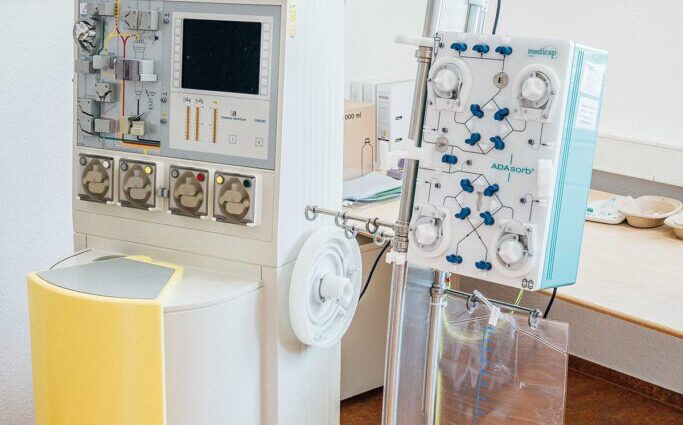
Modern medicine has evolved rapidly, moving from purely symptomatic treatment toward advanced therapies that target the root cause of disease. One such innovation is therapeutic blood purification, which helps remove harmful substances from the bloodstream. This approach has become a cornerstone in treating autoimmune, neurological, hematological, and metabolic disorders.
At leading international medical centers such as swiss health clinic, advanced blood therapies are increasingly used to manage complex, chronic, and treatment-resistant conditions. Among these therapies, the use of an apheresis machine stands out as one of the most effective and versatile tools in modern medicine.
Apheresis is not a single treatment but a family of procedures designed to separate and remove specific components from the blood such as plasma, white blood cells, red blood cells, platelets, antibodies, toxins, or lipids while returning the rest to the patient. This selective removal allows physicians to directly reduce disease-causing factors, often achieving faster and more targeted results than medication alone.
This comprehensive guide explores what diseases are treated using an apheresis system, why it is used, the different types of apheresis procedures, their advantages and benefits, how the treatment process works, and what patients can expect before, during, and after therapy. Whether you are a patient, caregiver, or healthcare professional, this article provides a clear, evidence-based overview of this powerful medical technology.
Why Apheresis Is Used in Modern Medicine
Traditional treatments often rely on medications to suppress symptoms or modify disease progression. However, many diseases are driven by harmful substances circulating in the bloodstream such as autoantibodies, immune complexes, inflammatory cytokines, toxins, or excess lipids. In such cases, medications alone may not be sufficient, or they may take weeks or months to show results.
Apheresis offers a direct, mechanical method to remove these disease-causing substances from the blood. This makes it especially valuable in:
- Autoimmune diseases
- Neurological disorders
- Hematological conditions
- Metabolic and lipid disorders
- Severe infections and inflammatory syndromes
- Organ transplant medicine
The core reasons for using apheresis include:
- Rapid Symptom Relief
By removing harmful blood components, apheresis can lead to faster improvement in symptoms compared to drug therapy alone. This is particularly critical in acute or life-threatening conditions.
- Targeted Therapy
Instead of suppressing the entire immune system, apheresis selectively removes specific pathological substances, reducing the risk of systemic side effects.
- Adjunct to Standard Treatment
Apheresis is often used alongside medications, biologics, or immunotherapies to enhance their effectiveness and speed recovery.
- Treatment for Drug-Resistant Conditions
Some diseases do not respond well to conventional treatments. In such cases, apheresis offers an alternative or supportive therapy.
- Detoxification and Blood Purification
Apheresis is used to remove toxins, heavy metals, abnormal proteins, and metabolic waste products that contribute to disease.
For these reasons, advanced medical institutions, including swiss health clinic, integrate apheresis into personalized treatment plans for complex and chronic illnesses.
Types of Apheresis Procedures
Apheresis is not a single technique but a group of specialized procedures, each targeting different blood components. The most common types include:
- Plasmapheresis (Plasma Exchange)
This procedure removes plasma (the liquid part of blood) and replaces it with donor plasma or a plasma substitute. It is commonly used to eliminate autoantibodies, immune complexes, and toxins.
- Immunoadsorption
Instead of discarding plasma, this technique passes plasma through special filters or columns that selectively remove antibodies or immune complexes. The cleansed plasma is then returned to the patient.
- Leukapheresis
This procedure removes excess white blood cells, often used in leukemia or severe inflammatory conditions.
- Erythrocytapheresis
Red blood cells are selectively removed and replaced, used in diseases like sickle cell anemia or malaria.
- Thrombocytapheresis
Platelets are removed, typically in conditions with dangerously high platelet counts.
- LDL Apheresis
This specialized technique removes low-density lipoprotein (LDL) cholesterol from the blood, used in patients with severe hypercholesterolemia.
- Photopheresis (Extracorporeal Photochemotherapy)
White blood cells are collected, treated with a photosensitizing agent and ultraviolet light, and then returned to the patient. This is often used in immune-mediated conditions.
Each of these procedures utilizes an apheresis machine designed for precise separation and filtration of blood components, ensuring both safety and effectiveness.
Diseases Treated Using an Apheresis Machine
Apheresis is used in a wide range of medical conditions. Below is a detailed breakdown of the major disease categories and specific disorders that benefit from this therapy.
- Autoimmune Diseases
Autoimmune disorders occur when the immune system mistakenly attacks the body’s own tissues. Many of these diseases are driven by circulating autoantibodies and immune complexes, making them ideal candidates for apheresis.
- Myasthenia Gravis
- Mechanism: Autoantibodies attack acetylcholine receptors at the neuromuscular junction.
- Role of Apheresis: Plasmapheresis removes these antibodies, leading to rapid improvement in muscle strength.
- Use Case: Myasthenic crisis, preoperative preparation, or refractory disease.
- Systemic Lupus Erythematosus (SLE)
- Mechanism: Autoantibodies and immune complexes cause multi-organ inflammation.
- Role of Apheresis: Removes immune complexes, antibodies, and inflammatory mediators.
- Use Case: Severe lupus nephritis, neuropsychiatric lupus, or catastrophic lupus.
- Rheumatoid Arthritis
- Mechanism: Autoimmune attack on joint tissues.
- Role of Apheresis: Immunoadsorption can reduce inflammatory antibodies and cytokines.
- Use Case: Severe, treatment-resistant cases.
- Vasculitis
- Mechanism: Inflammation of blood vessels driven by autoantibodies.
- Role of Apheresis: Removes circulating antibodies and immune complexes.
- Use Case: Rapidly progressive or organ-threatening vasculitis.
- Goodpasture’s Syndrome
- Mechanism: Autoantibodies attack lung and kidney basement membranes.
- Role of Apheresis: Removes pathogenic antibodies to protect lung and kidney function.
- Neurological Disorders
Many neurological diseases are immune-mediated or associated with abnormal antibodies affecting nerve tissues.
- Guillain-Barré Syndrome (GBS)
- Mechanism: Autoimmune attack on peripheral nerves.
- Role of Apheresis: Plasmapheresis shortens disease course and reduces severity.
- Use Case: Acute paralysis or respiratory compromise.
- Chronic Inflammatory Demyelinating Polyneuropathy (CIDP)
- Mechanism: Chronic immune-mediated nerve damage.
- Role of Apheresis: Regular plasma exchange can improve muscle strength and function.
- Multiple Sclerosis (MS)
- Mechanism: Autoimmune destruction of myelin in the central nervous system.
- Role of Apheresis: Used in severe relapses unresponsive to steroids.
- Autoimmune Encephalitis
- Mechanism: Autoantibodies target brain receptors or neuronal proteins.
- Role of Apheresis: Removes pathogenic antibodies, improving cognition and neurological function.
- Neuromyelitis Optica (NMO)
- Mechanism: Antibodies attack optic nerves and spinal cord.
- Role of Apheresis: Rapid removal of antibodies during acute attacks.
- Hematological Disorders
Apheresis plays a vital role in blood disorders involving abnormal blood cell counts, toxic substances, or immune-mediated destruction.
- Thrombotic Thrombocytopenic Purpura (TTP)
- Mechanism: Deficiency of ADAMTS13 enzyme leads to platelet clumping and clot formation.
- Role of Apheresis: Plasma exchange replaces deficient enzyme and removes autoantibodies.
- Outcome: Life-saving intervention.
- Sickle Cell Disease
- Mechanism: Abnormal hemoglobin causes red blood cells to sickle.
- Role of Apheresis: Erythrocytapheresis removes sickled cells and replaces them with healthy ones.
- Use Case: Stroke prevention, acute chest syndrome, severe crises.
- Leukemia and Hyperleukocytosis
- Mechanism: Excess white blood cells increase blood viscosity and impair circulation.
- Role of Apheresis: Leukapheresis rapidly reduces white cell count.
- Polycythemia Vera
- Mechanism: Excess red blood cell production.
- Role of Apheresis: Reduces blood viscosity and risk of clotting.
- Hemolytic Uremic Syndrome (HUS)
- Mechanism: Immune-mediated destruction of red blood cells and kidney damage.
- Role of Apheresis: Removes toxins, antibodies, and inflammatory mediators.
- Metabolic and Lipid Disorders
Some metabolic diseases are driven by abnormal levels of lipids or toxic metabolites in the bloodstream.
- Familial Hypercholesterolemia
- Mechanism: Genetic inability to clear LDL cholesterol.
- Role of Apheresis: LDL apheresis removes LDL cholesterol directly from the blood.
- Outcome: Reduces cardiovascular risk when medications are insufficient.
- Severe Hyperlipidemia
- Mechanism: Extremely high lipid levels increase cardiovascular risk.
- Role of Apheresis: Rapid lipid reduction in critical cases.
- Hypertriglyceridemia-Induced Pancreatitis
- Mechanism: Very high triglycerides trigger inflammation of the pancreas.
- Role of Apheresis: Removes triglycerides, reducing inflammation and complications.
- Renal and Transplant Medicine
Apheresis is widely used in kidney disease and organ transplantation.
- Kidney Transplant Rejection
- Mechanism: Antibodies attack the transplanted organ.
- Role of Apheresis: Removes donor-specific antibodies, improving graft survival.
- Desensitization Before Transplant
- Mechanism: Patients with high antibody levels are incompatible with potential donors.
- Role of Apheresis: Reduces antibody levels, making transplantation possible.
- Glomerulonephritis
- Mechanism: Immune-mediated inflammation of kidney filters.
- Role of Apheresis: Removes immune complexes and antibodies.
- Infectious and Inflammatory Conditions
Apheresis is increasingly used in severe infections and systemic inflammatory states.
- Sepsis and Septic Shock
- Mechanism: Excess inflammatory cytokines and toxins damage organs.
- Role of Apheresis: Cytokine adsorption and plasma exchange reduce inflammatory burden.
- COVID-19 and Post-Viral Syndromes
- Mechanism: Immune dysregulation, microclots, and persistent inflammation.
- Role of Apheresis: Removes inflammatory mediators, immune complexes, and microthrombi.
- Chronic Fatigue Syndrome / ME
- Mechanism: Suspected immune dysregulation and toxic buildup.
- Role of Apheresis: Investigated as a supportive therapy to reduce immune and metabolic burden.
- Dermatological and Immune Skin Disorders
Certain severe skin conditions are immune-mediated and respond well to apheresis.
- Pemphigus Vulgaris
- Mechanism: Autoantibodies cause blistering of skin and mucous membranes.
- Role of Apheresis: Removes pathogenic antibodies.
- Bullous Pemphigoid
- Mechanism: Autoimmune blistering disorder.
- Role of Apheresis: Used in severe or refractory cases.
- Severe Atopic Dermatitis
- Mechanism: Immune dysregulation and high IgE levels.
- Role of Apheresis: Immunoadsorption can reduce IgE and improve symptoms.
- Cardiovascular and Vascular Disorders
Apheresis also supports vascular health in selected cases.
- Peripheral Arterial Disease
- Mechanism: Reduced blood flow due to arterial narrowing.
- Role of Apheresis: Improves blood viscosity and microcirculation.
- Sudden Hearing Loss and Tinnitus
- Mechanism: Microcirculatory impairment in the inner ear.
- Role of Apheresis: Improves blood flow and oxygen delivery.
Advantages of Using an Apheresis Machine
The use of an apheresis machine offers several clinical advantages over traditional treatments.
- Precision and Selectivity
Apheresis targets specific blood components without affecting the rest of the blood, reducing unwanted side effects.
- Rapid Therapeutic Effect
Unlike medications that may take weeks to work, apheresis often produces noticeable improvement after just a few sessions.
- Reduced Drug Burden
By removing disease-causing substances directly, apheresis can reduce reliance on high-dose medications and steroids.
- Safety and Control
Modern apheresis machines are equipped with advanced monitoring systems that ensure precise fluid balance and patient safety.
- Customization
Treatment protocols can be tailored to individual patients based on their diagnosis, severity, and response to therapy.
Benefits for Patients
Beyond its clinical advantages, apheresis offers meaningful benefits for patients’ quality of life and long-term outcomes.
- Improved Symptoms and Function
Patients often experience improved strength, reduced pain, better cognitive function, and enhanced mobility.
- Slowed Disease Progression
By reducing pathogenic factors, apheresis may slow the progression of chronic autoimmune and neurological diseases.
- Better Organ Protection
Early removal of harmful antibodies or toxins can protect organs such as kidneys, lungs, heart, and brain.
- Enhanced Treatment Outcomes
When combined with medications, biologics, or immunotherapies, apheresis can significantly improve treatment effectiveness.
- Psychological Relief
For patients who have struggled with chronic illness or treatment failure, apheresis offers renewed hope and measurable improvement.
Steps Involved in Apheresis Treatment
Understanding the treatment process helps patients feel more confident and prepared. While protocols vary depending on the condition, the general steps are as follows:
Step 1: Medical Evaluation and Diagnosis
A thorough medical assessment is performed, including:
- Detailed medical history
- Physical examination
- Blood tests and imaging
- Immune and metabolic profiling
This helps determine whether apheresis is appropriate and which type of procedure is best.
Step 2: Treatment Planning
A personalized treatment plan is developed, specifying:
- Type of apheresis
- Number of sessions
- Frequency and duration
- Replacement fluids or filters used
Step 3: Vascular Access
A catheter or large-bore intravenous line is placed in a vein (usually in the arm or neck) to allow blood to flow into and out of the apheresis machine.
Step 4: Blood Processing
During the procedure:
- Blood is drawn into the machine.
- The targeted component is separated and removed.
- The remaining blood components are returned to the patient along with replacement fluids if needed.
Sessions typically last 1.5 to 4 hours, depending on the type of procedure and patient condition.
Step 5: Monitoring and Safety
Throughout the session:
- Vital signs are continuously monitored.
- Blood pressure, heart rate, and oxygen levels are checked.
- The patient is observed for any discomfort or side effects.
Step 6: Post-Treatment Care
After the session:
- Patients may rest briefly.
- Hydration and nutrition are encouraged.
- Follow-up tests assess treatment effectiveness.
Step 7: Ongoing Management
Many conditions require multiple sessions or maintenance therapy. Physicians adjust treatment based on clinical response and laboratory results.
Safety, Risks, and Side Effects
Apheresis is generally safe when performed in specialized centers under expert supervision. However, like any medical procedure, it carries some risks.
Common Mild Side Effects
- Fatigue
- Dizziness
- Cold sensation
- Tingling around lips or fingers (due to calcium changes)
- Mild nausea
Less Common but Possible Risks
- Low blood pressure
- Bleeding at catheter site
- Infection
- Allergic reactions to replacement fluids
- Electrolyte imbalances
These risks are minimized through careful patient selection, monitoring, and experienced medical teams such as those at swiss health clinic who follow strict safety protocols.
Who Is a Candidate for Apheresis?
Not every patient with an autoimmune or metabolic disorder will need apheresis. Ideal candidates typically include:
- Patients with severe or life-threatening disease
- Individuals who do not respond to standard treatments
- Patients requiring rapid symptom control
- Those preparing for organ transplantation
- Patients with high levels of pathogenic antibodies, toxins, or lipids
A multidisciplinary medical team evaluates each patient’s condition, treatment history, and overall health to determine suitability.
The Role of Advanced Medical Centers
The effectiveness of apheresis depends not only on the technology but also on clinical expertise, diagnostic accuracy, and personalized care.
At institutions like swiss health clinic, apheresis is integrated into a comprehensive treatment model that includes:
- Advanced diagnostics and biomarker analysis
- Multidisciplinary medical teams
- Personalized treatment protocols
- Ongoing monitoring and optimization
- Patient education and support
This holistic approach ensures that apheresis is not used in isolation but as part of a broader, evidence-based care strategy.
Conclusion
Apheresis represents one of the most powerful and precise tools in modern medicine for treating diseases driven by harmful blood components. From autoimmune and neurological disorders to hematological, metabolic, renal, and inflammatory conditions, apheresis offers a targeted, effective, and often life-saving therapeutic option.
By directly removing disease-causing substances such as autoantibodies, immune complexes, toxins, abnormal blood cells, and excess lipids apheresis addresses the root cause of many conditions rather than merely suppressing symptoms. This results in faster relief, improved outcomes, and better long-term disease management.
With advanced technologies like the apheresis machine and expert care models such as those implemented at swiss health clinic, patients now have access to highly personalized, evidence-based therapies that can significantly improve quality of life and clinical outcomes.
As research continues to expand the applications of apheresis, its role in regenerative medicine, chronic disease management, and immune modulation is expected to grow, offering new hope to patients worldwide.
Frequently Asked Questions
- What is apheresis in simple terms?
Apheresis is a medical procedure that removes specific components from the blood—such as plasma, antibodies, or lipids—while returning the rest to the body.
- Is apheresis painful?
The procedure is generally not painful. Patients may feel a brief pinch during needle insertion and mild discomfort from sitting still for an extended period.
- How long does one apheresis session last?
Sessions typically last between 1.5 and 4 hours, depending on the type of procedure and patient condition.
- How many sessions are needed?
The number of sessions varies based on the disease being treated. Some patients require only a few sessions, while others need ongoing or maintenance therapy.
- Is apheresis safe?
Yes, apheresis is considered safe when performed by trained professionals using modern equipment. Side effects are usually mild and temporary.
- Can apheresis replace medication?
Apheresis is often used alongside medications, not as a complete replacement. In some cases, it can reduce the need for high-dose drugs.
- What diseases benefit most from apheresis?
Autoimmune disorders, neurological diseases, blood disorders, lipid disorders, transplant rejection, and severe inflammatory conditions benefit significantly.
- Who should not undergo apheresis?
Patients with severe anemia, unstable cardiovascular conditions, active infections at the access site, or certain bleeding disorders may not be suitable candidates.
- Does insurance cover apheresis?
Coverage depends on the country, insurance provider, and medical indication. Many medically necessary uses are covered.
- How soon will I feel better after treatment?
Some patients notice improvement after the first few sessions, while others require multiple treatments to see significant results.