Choosing assisted living for a loved one or for yourself is a significant decision that requires clear understanding of what services and support will be provided on a daily basis. Many families have questions about exactly what “assistance” means in the context of assisted living and how these services translate into day-to-day life. While specific offerings vary between communities, there are common types of daily support that seniors can typically expect when residing in an assisted living facility. Understanding these services helps families make informed decisions and ensures that seniors receive the appropriate level of care for their needs.
Personal Care Assistance
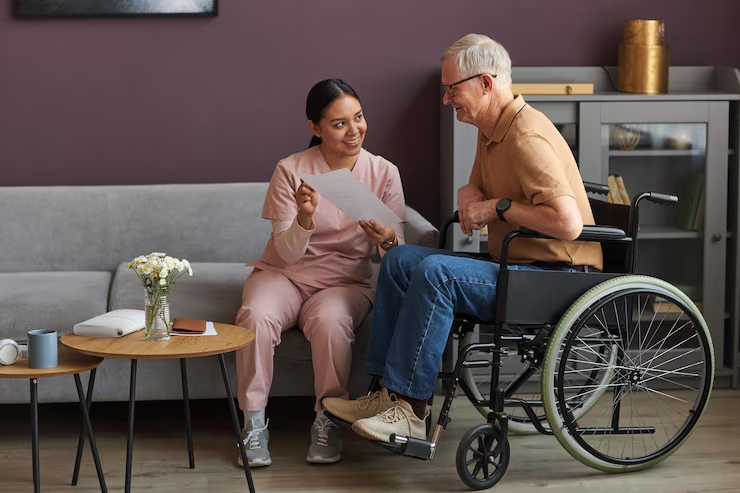
One of the fundamental services provided in assisted living is assistance with activities of daily living, commonly referred to as ADLs. These essential activities include bathing, dressing, grooming, toileting, and mobility assistance. The level of support provided is personalized to each resident’s individual needs—some seniors may require minimal assistance with just one or two activities, while others need more comprehensive help throughout the day.
Personal care assistants in assisted living communities are trained to provide dignified, respectful support that maintains residents’ privacy and autonomy as much as possible. The goal is not to do everything for residents, but rather to assist where needed while encouraging independence in areas where seniors are still capable. This balanced approach helps maintain physical abilities and promotes self-esteem while ensuring safety and proper hygiene.
Medication Management and Administration
Managing multiple medications correctly can become increasingly complex as health conditions accumulate. Assisted living communities provide medication management services that ensure residents take the right medications at the right times in the correct dosages. Trained staff members typically organize medications, provide reminders, observe medication taking, and document administration to maintain accurate health records.
This support significantly reduces the risk of medication errors, missed doses, or dangerous drug interactions. For family members who previously worried about whether their loved one was taking medications properly, this service provides immense peace of mind. Many communities also coordinate prescription refills with pharmacies and communicate with physicians about medication effectiveness or concerning side effects, providing a comprehensive medication support system.
Meal Preparation and Dining Services
Assisted living communities take responsibility for providing nutritious, well-balanced meals throughout the day. Residents can expect three meals daily, often with snacks available between mealtimes. Professional chefs prepare meals that accommodate various dietary restrictions, preferences, and special nutritional needs related to health conditions like diabetes, heart disease, or difficulty swallowing.
Beyond basic nutrition, dining services in assisted living include setting tables, serving meals, and cleanup—completely relieving residents of kitchen duties. Many communities offer restaurant-style dining with menu choices and flexible seating times. For residents with specific dietary needs or those who require assistance with eating, staff members provide appropriate support while maintaining dignity and encouraging as much independence as possible during mealtimes.
Housekeeping and Laundry Services
Daily life in assisted living includes regular housekeeping services that maintain clean, comfortable living spaces. Staff members typically clean apartments on scheduled days each week, handling tasks like vacuuming, dusting, bathroom cleaning, and trash removal. Some communities also provide bed linen changes and laundry services for personal clothing, though specifics vary by facility.
These services free residents from physically demanding cleaning tasks that can become difficult or unsafe as mobility decreases. The time and energy saved from not having to clean or do laundry allows seniors to focus on activities they enjoy and value. For many residents, this represents one of the most appreciated aspects of assisted living, eliminating chores that had become burdensome sources of stress.
Health Monitoring and Wellness Checks
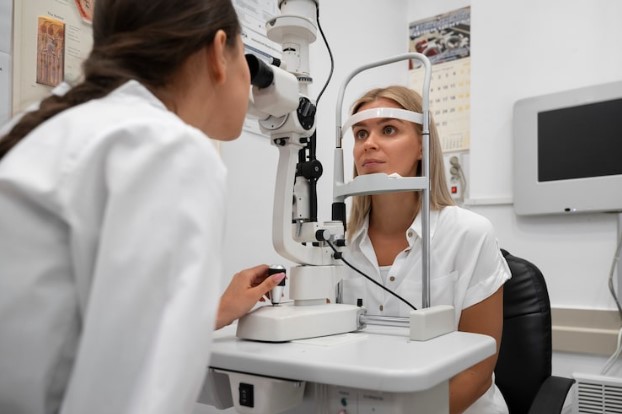
While assisted living is not the same as nursing care, communities do provide regular health monitoring to identify potential concerns early. Staff members conduct wellness checks, monitor for changes in physical or cognitive condition, and communicate with family members and healthcare providers when issues arise. These regular observations help ensure that health problems don’t go unnoticed and untreated.
Many communities track vital signs, weight changes, appetite fluctuations, and behavioral changes that might indicate emerging health issues. This ongoing monitoring provides an additional layer of health security beyond what seniors living independently can achieve on their own. When combined with the immediate availability of staff to respond to emergencies, this creates a safety net that protects residents while respecting their independence.
Coordination of Healthcare Services
Assisted living communities often serve as coordinators for various healthcare services residents need. While they don’t typically provide on-site medical care, staff members schedule appointments, arrange transportation to medical visits, communicate with physicians and therapists, and ensure that care recommendations are implemented. Some communities even host visiting healthcare professionals who provide services like podiatry, dental care, or physical therapy on-site.
This coordination role is particularly valuable for seniors who find navigating the healthcare system overwhelming or who struggle to remember and attend appointments. Family members also benefit from having a central point of contact who can update them on their loved one’s health status and medical needs. The coordinated approach ensures continuity of care and reduces the risk of important health matters falling through the cracks.
Social and Recreational Programming
Beyond basic care services, assisted living communities provide daily opportunities for social engagement and recreation. Activities coordinators plan diverse programming that includes exercise classes, arts and crafts, entertainment, educational programs, social gatherings, and outings to local attractions. These activities are scheduled throughout the week, providing residents with regular opportunities to engage with peers and pursue interests.
Staff members encourage participation but respect residents’ autonomy to choose their level of involvement. The availability of structured activities helps combat isolation and boredom while supporting cognitive function, physical health, and emotional well-being. For residents with limited mobility or health challenges, staff provide necessary accommodations to enable participation whenever possible.
Transportation Assistance
Most assisted living communities provide scheduled transportation services for medical appointments, shopping trips, religious services, and community outings. Some facilities offer regular shuttle services to popular destinations, while others arrange transportation upon request. This support is crucial for seniors who no longer drive or who find public transportation difficult to navigate.
Transportation services extend residents’ connection to the broader community, enabling them to maintain important medical care, continue spiritual practices, access shopping and services, and enjoy cultural and entertainment opportunities beyond the facility. This continued engagement with the outside world contributes significantly to quality of life and helps residents maintain their connection to the community they’ve been part of for years.
Emergency Response and 24-Hour Support
Perhaps one of the most valuable aspects of assisted living is the availability of staff 24 hours a day, seven days a week. Residents have access to emergency call systems in their apartments that summon immediate assistance when needed. Trained staff can respond to falls, medical emergencies, or any other urgent situation at any time of day or night.
This round-the-clock availability provides extraordinary peace of mind for both residents and their families. Knowing that help is always just a button push away allows seniors to feel secure in their homes while maintaining independence. For family members, particularly those living far away, this constant availability of professional help relieves the anxiety of wondering whether their loved one is safe.
Choosing the Right Level of Daily Support
Understanding what daily support seniors can expect from assisted living helps families select the right community and care level for their specific situation. AldermanOaks, located in the heart of downtown Sarasota, provides comprehensive daily support services within a warm, family-like environment. Our trained, friendly staff delivers personalized assistance that respects each resident’s independence while ensuring safety, health, and well-being. From medication management and nutritious dining to engaging activities and 24-hour emergency response, AldermanOaks offers the full spectrum of daily support services that allow seniors to live comfortably, securely, and joyfully in their retirement years.