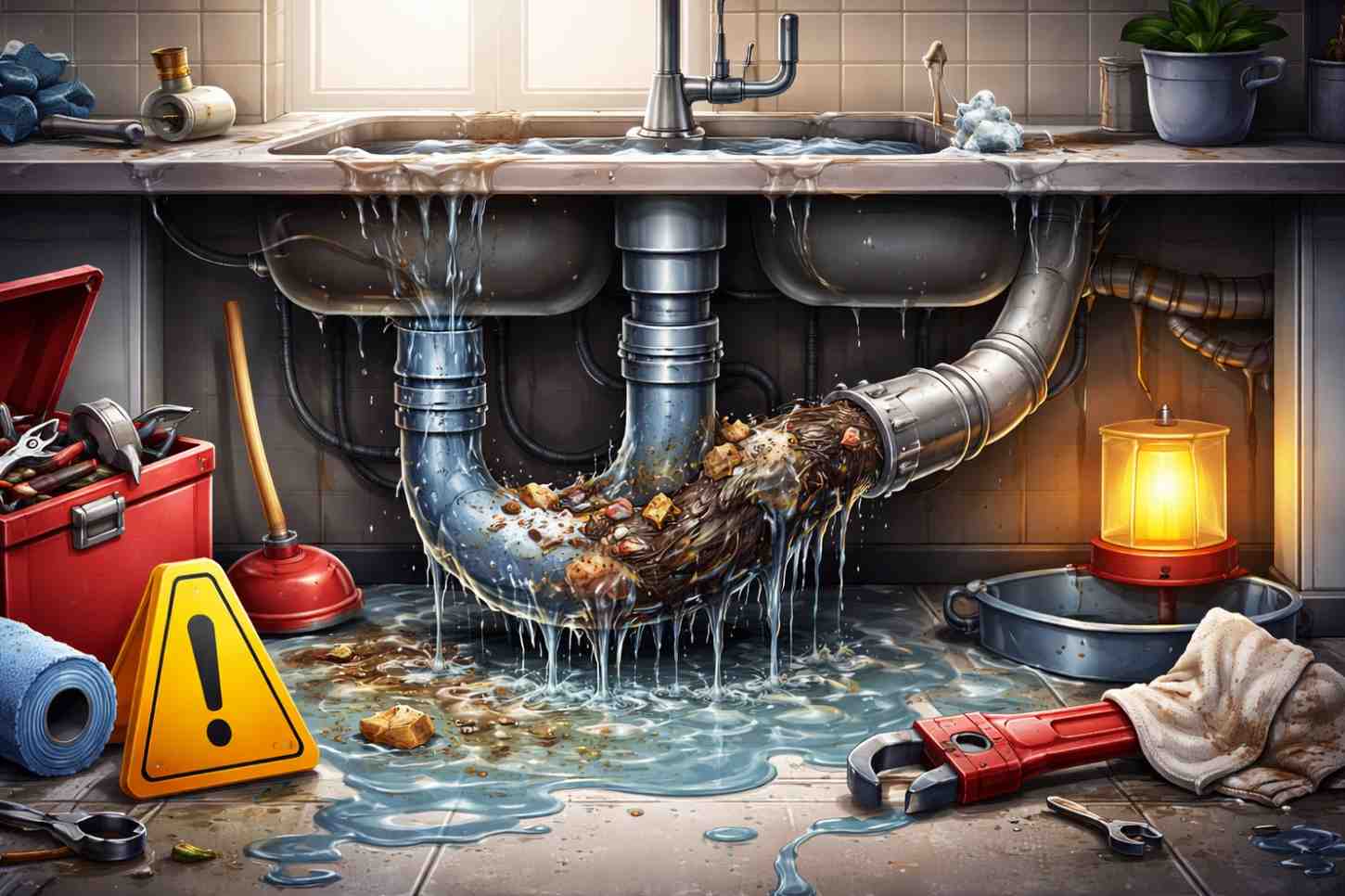
Having a clogged pipe does not mean it is not potentially problematic. Many households will begin with a clogged pipe issue that turns into an expenditure within days. Aspects such as poor draining, pungent odors, and backing up water do not appear too difficult to overlook. However, these are common indicators of underlying issues with your plumbing.
When the pipe choke aggravates, it starts applying pressures on joints, holding waste, as well as weakening the pipe. This is when pipe leaks, pipe bursts, or pipe damage start occurring. Understanding the correct symptoms will assist you in taking necessary measures before things worsen.
This guide will decode the obvious signs when a choke requires professional attention. You will be informed when a leaking pipe repair turns urgent and why delaying it can end up being more expensive.
What Exactly Is a Pipe Choke?
A pipe choke is formed if anything obstructs water flowing in the pipe. The obstruction might be partial as well as complete. In this situation, water pressure forms in the pipes.
Usually, most chokes develop over time. Grease, soap scum, trash, hair, dirt, or scale begins to accumulate in the pipe interior slowly. This reduces the pipe opening, causing water to have a difficult time passing through.
Sometimes, the root cause lies deeper within these problems. Tree root growth, pipe breakage, or improper pipe fitting can lead to serious pipe choking problems.
Why Early Pipe Choke Signs Matter
A pipe choke rarely stays the same. It grows worse with daily use.
When ignored, a small blockage can:
- Crack pipe joints
- Cause water leaks inside walls
- Push dirty water back into sinks or toilets
- Lead to sudden pipe bursts
Early action protects your home, health, and budget. That is why spotting the warning signs matters.
Clear Signs a Pipe Choke Needs Immediate Help
Not all plumbing issues demand urgent care. These signs do.
Water Draining Very Slowly
The initial sign that is oldest is usually the slow drainage.
Water that drains slowly from the sink, shower, or floor drain indicates that the constriction is being created. If these methods are not working, this indicates that the pipe constriction has progressed further.
When multiple drains slow down simultaneously, the main line can get affected. This requires professional equipment, not DIY techniques.
Frequent Water Backflow
Backflow is a strong red flag.
You may see water rise in the sink when the washing machine is on. Toilets may bubble when taps are used. Floor drains may push water back up.
This is when blocked pipes force water to find another exit. In this stage, there is already a high pressure inside the pipe.
Ignoring this subject often leads to leakages or damage to pipes.
Bad Smells That Do Not Go Away
A pipe choke holds waste within the system.
Since grease and trash are left idle in the drain pipe, they give off unpleasant odors. Such odors usually recur even after one has cleaned the drain opening.
A problem with odor that can be detected within multiple rooms or gets worse with water usage means that the clog is not close to the surface anymore and should be inspected by a professional to be fully removed.
Gurgling Sounds From Pipes
Healthy pipes stay quiet.
Gurgling sounds mean air is trapped inside due to blocked flow. As water pushes past the choke, air bubbles escape, creating noise.
This often happens in toilets, sinks, or shower drains. While it may sound minor, it signals growing pressure inside the pipe.
Left alone, this pressure weakens joints and seals.
Signs That Point to Urgent Leaking Pipe Repair
Some pipe choke issues already cause damage. These signs mean leaking pipe repair should not wait.
Damp Patches on Walls or Floors
Moisture where it should not be is a serious warning.
Pipe chokes raise pressure. Over time, that pressure forces water through weak points. Small cracks or loose joints start leaking.
Damp walls, peeling paint, or soft floor spots often hide slow leaks. These leaks usually sit behind walls or under floors.
Early repair limits damage and mould growth.
Sudden Drop in Water Pressure
Low water pressure across taps can signal a pipe problem.
A severe pipe choke blocks flow so strongly that pressure drops throughout the system. In some cases, leaks caused by pressure loss worsen the issue.
If pressure falls without clear reason, inspection is needed. Delays often lead to burst pipes.
Water Stains or Marks
Brown or yellow stains on ceilings or walls suggest water movement inside the structure.
These stains often appear long after a leak starts. By the time you see them, damage is already active.
In many cases, the cause links back to a pipe choke that raised pressure until a weak point failed.
When DIY Fixes Stop Working
Home methods work only at the surface.
If you notice these signs, stop trying to fix it yourself:
- Repeated clogs in the same drain
- Plungers give only short relief
- Chemical cleaners do nothing
- The problem spreads to other drains
DIY products often push debris further down. This makes professional clearing harder later.
Hidden Causes of Severe Pipe Choke Problems
Some blockages are not caused by daily use alone.
Tree Roots in Underground Pipes
Tree roots seek moisture. Even tiny cracks attract them.
Once inside, roots grow fast and trap waste. This leads to full pipe choke issues in outdoor lines.
Root damage always needs professional tools and repair.
Pipe Scale Build-Up
Older metal pipes collect mineral scales.
Over time, scale hardens and narrows the pipe. Water flow drops, and blockages form faster.
This issue cannot be fixed with drain cleaners.
Collapsed or Misaligned Pipes
Ground movement, age, or poor installation may cause pipes to sag or crack.
Water pools in these low points, trapping waste. This creates repeat pipe choke problems that never fully clear.
Only inspection and repair solve this issue.
Health and Safety Risks of Ignoring a Pipe Choke
Blocked pipes affect more than plumbing.
Wastewater carries bacteria and harmful gases. When it backs up or leaks, it puts health at risk.
Long-term exposure may cause:
- Breathing issues
- Skin irritation
- Mould growth
- Pest attraction
Professional attention protects both property and wellbeing.
How Professionals Identify Serious Pipe Choke Issues
Experts do not guess.
They use tools such as:
- Camera inspections to see inside pipes
- Pressure testing to spot weak points
- High-pressure cleaning for safe removal
- Leak detection tools for hidden damage
These methods clear blockages fully and prevent repeat issues.
Conclusion
Pipe chokes don’t usually solve by themselves. A pipe choke grows day by day with increasing use and pressure. When slow drains and unusual sounds serve as alerts, and with backflow, leaks, and moist spots emerging, issues have progressed further down the pipe.
Understanding such signs ensures that you safeguard your dwelling against the negative effects that come with choking. Most problems require expert intervention for them not to recur. The earlier you familiarize yourself with the signs, the safer your dwelling will be.
FAQs
What causes pipe choke in homes?
The most common causes that lead to the formation of a pipe choke include grease, hair, food waste, soap, and mineral buildup. The cause could also be due to intrusion of tree roots or even damaged pipes in deeper lines.
Can a pipe choke actually cause pipe leaks?
Yes, a pipe choke increases the pressure inside the pipes. This pressure forces water through weak joints and cracks over time, causing leaks in them.
Is slow drainage always serious?
Not always. However, if slow drainage recurs from time to time or progresses to involve many drains, it tends to point toward a deeper pipe choke that needs attention.
When is leaking pipe repair urgent?
The repairs to the leaking pipe become urgent when damp patches, stains, mould, or pressure loss are observed, which indicate on-going damage.