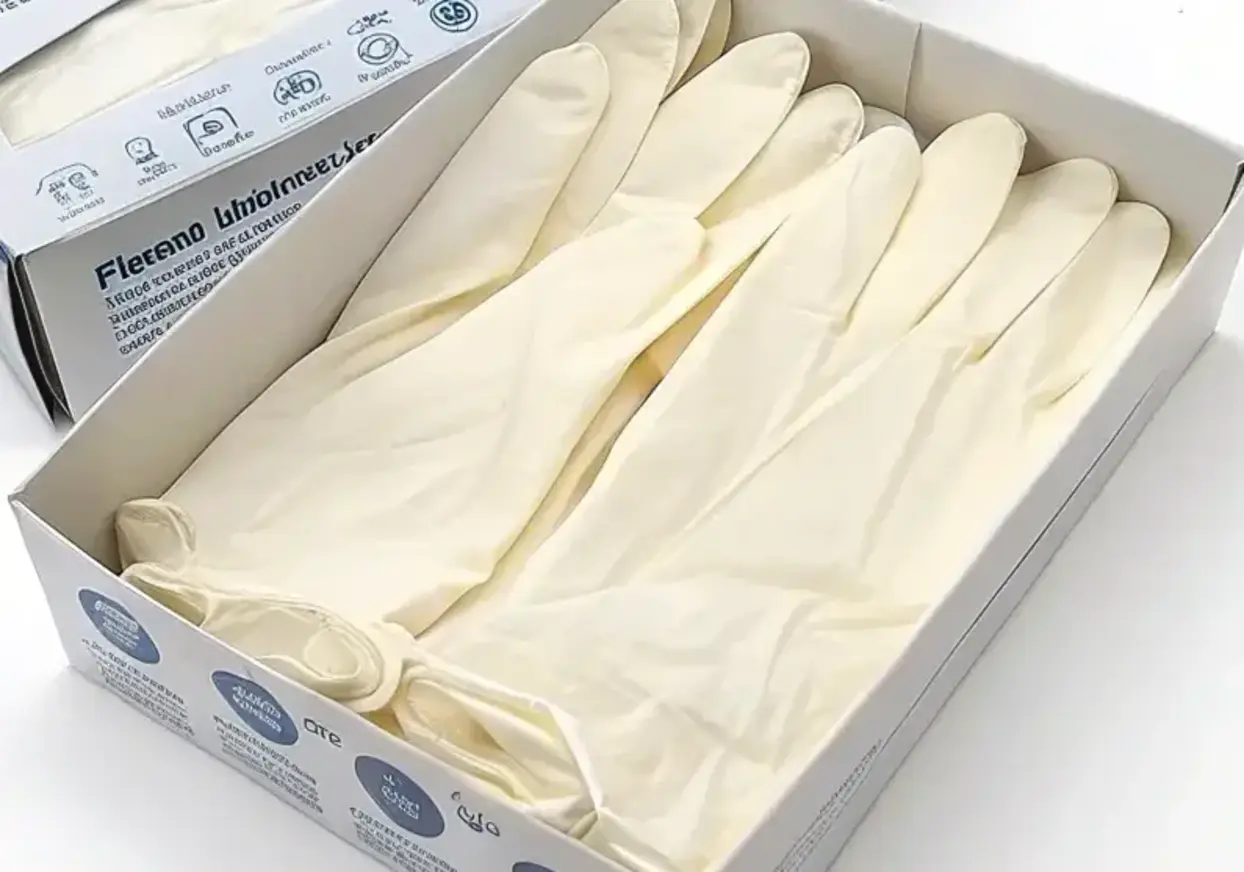
For people with sensitive skin, gloves are not a small detail. They are a daily necessity that can either protect the skin or quietly make problems worse. Irritation, dryness, itching, and allergic reactions are common complaints when the wrong gloves are used. Choosing the right option is not just about comfort. It is about long-term skin health.
This guide breaks down what makes gloves suitable for sensitive skin, which materials perform best, and how to choose the right product for professional or personal use.
more info about glove: pabrik sarung tangan – mitrasaruta
Why Sensitive Skin Needs Special Gloves
Sensitive skin reacts faster and more severely to external triggers. These triggers often include chemicals, friction, heat, latex proteins, or powder residues found in standard gloves. In workplaces such as healthcare, food handling, cleaning, manufacturing, and beauty services, gloves are worn for long periods. Prolonged exposure increases the risk of contact dermatitis and allergic reactions.
Gloves for Sensitive Skin are designed to reduce these risks. They minimize exposure to irritants while maintaining the required level of protection and performance.
Key Features to Look for in Gloves for Sensitive Skin
Before choosing a specific material, it helps to understand the core features that matter most.
Hypoallergenic materials are essential. Gloves labeled hypoallergenic are formulated to reduce common allergens such as natural rubber proteins or chemical accelerators.
Powder-free design is critical. Powder can dry out the skin, clog pores, and cause irritation, especially with repeated use.
Smooth interior and exterior surfaces reduce friction, which helps prevent micro-irritation during long wear.
Breathability and moisture control help limit sweating, which can aggravate sensitive or compromised skin.
Best Glove Materials for Sensitive Skin
Nitrile Gloves
Nitrile gloves are widely considered one of the best options for sensitive skin. They are made from synthetic rubber and contain no natural latex proteins, making them ideal for individuals with latex allergies or sensitivities.
Modern nitrile gloves are softer and more flexible than earlier versions. They offer strong puncture resistance, chemical protection, and a comfortable fit. For professionals who need durability without irritation, nitrile gloves are often the first choice.
Best for: Healthcare, laboratories, cleaning services, industrial use, and food processing.
Vinyl Gloves
Vinyl gloves are another latex-free option. They are typically made from PVC and are free from many of the chemical accelerators found in other gloves.
While vinyl gloves are gentle on the skin, they are generally less durable and less form-fitting than nitrile. They are best suited for short-term, low-risk tasks where frequent glove changes are expected.
Best for: Food service, light cleaning, beauty treatments, and short-duration tasks.
Latex-Free Blends and Accelerator-Free Gloves
Some manufacturers offer advanced synthetic blends or accelerator-free formulations specifically designed for sensitive skin. These gloves remove the chemical agents often responsible for allergic contact dermatitis.
Accelerator-free nitrile gloves, in particular, are gaining popularity in professional environments where skin health is a concern.
Best for: Users with known chemical sensitivities or chronic skin conditions such as eczema.
Gloves to Avoid if You Have Sensitive Skin
Traditional powdered latex gloves are the most common cause of irritation and allergic reactions. Even powder-free latex gloves can still trigger sensitivities due to natural rubber proteins.
Gloves with strong chemical odors or poor-quality finishes may also irritate the skin. A rough surface, excessive stiffness, or poor sizing can increase friction and discomfort over time.
Choosing the Right Gloves for Your Industry
Different industries place different demands on gloves, and sensitive skin does not change those requirements.
In healthcare, nitrile or accelerator-free gloves provide both protection and comfort during long shifts.
In food handling, vinyl or soft nitrile gloves are commonly preferred for short tasks and frequent changes.
In cleaning and janitorial work, thicker nitrile gloves protect against chemicals while reducing skin contact with irritants.
In beauty and personal care, gloves should balance dexterity, softness, and chemical resistance, especially when working with dyes or solvents.
Fit, Size, and Wear Time Matter
Even the best Gloves for Sensitive Skin will fail if the fit is wrong. Gloves that are too tight restrict circulation and increase friction. Gloves that are too loose cause rubbing and reduce control.
Proper sizing, combined with regular glove changes, helps maintain skin health. For long wear times, some professionals also use skin-safe barrier creams before donning gloves, provided this is compatible with workplace safety rules.
Final Thoughts
Sensitive skin requires thoughtful protection. The best gloves are not simply those labeled hypoallergenic, but those designed with material quality, manufacturing processes, and user comfort in mind.
Nitrile gloves, vinyl gloves, and accelerator-free alternatives all offer reliable options depending on the task at hand. By focusing on material, fit, and proper use, Gloves for Sensitive Skin can provide effective protection without compromising comfort or skin health.
Making the right choice now can prevent long-term irritation and ensure that gloves remain a tool for protection, not a source of harm.