Creating a home that feels calm, inviting, and visually pleasing requires careful attention to design elements, and walls play a critical role in achieving this balance. Wallpaper has long been a versatile tool for transforming interior spaces, offering patterns, textures, and colors that can define the mood of a room. For interiors that aim to feel balanced and harmonious, selecting the right wallpaper styles is essential. From subtle textures to gentle patterns, cheap wallpaper can unify a room’s elements while adding depth and personality.
The Role of Wallpaper in Interior Harmony
Wallpaper serves as more than just a decorative covering—it establishes the tone of a space. In balanced interiors, each element works together to create a sense of calm and cohesion. Wallpaper helps achieve this by introducing consistency, color coordination, and pattern repetition. Whether it’s a neutral-toned backdrop that complements furniture or a patterned design that adds subtle movement, wallpaper contributes to the overall flow of a room. When chosen thoughtfully, it enhances harmony by integrating architectural features, lighting, and furnishings into a cohesive whole.
Subtle Patterns for Visual Serenity
One of the most effective ways to create balance in interiors is through subtle patterned wallpaper. Light, understated designs, such as soft florals, delicate geometric lines, or tone-on-tone textures, draw the eye gently across walls without overwhelming the senses. These patterns introduce rhythm and repetition, which naturally contribute to a sense of order. Subtle wallpapers work well in living rooms, bedrooms, and dining areas where a peaceful, harmonious atmosphere is desired, helping spaces feel relaxed yet refined.
Textured Wallpapers for Depth and Warmth
Texture adds another layer of harmony by providing visual interest without disrupting the balance of a room. Linen, silk, or grasscloth-effect marble wallpaper create a soft tactile dimension that complements neutral furniture, wooden elements, and soft furnishings. Textured wallpapers can also help break up flat wall surfaces, creating depth and warmth in spaces that might otherwise feel stark or impersonal. By adding understated textures, designers achieve a sophisticated equilibrium where every element contributes to a cohesive and inviting environment.
Nature-Inspired Wallpaper Styles
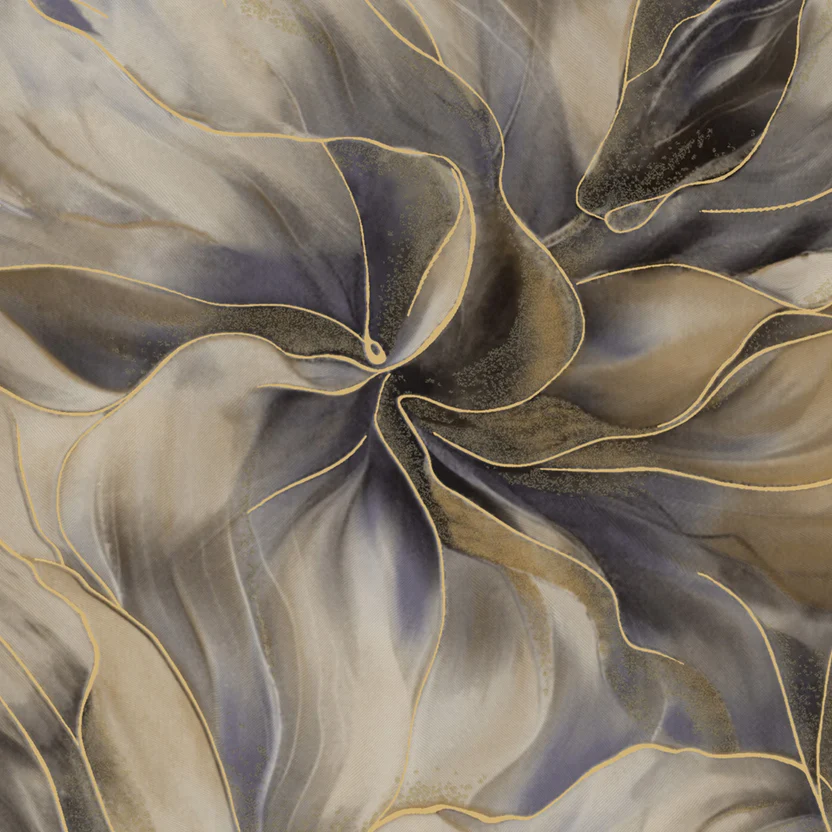
Bringing elements of nature indoors is a timeless approach to creating balanced interiors. Wallpapers inspired by natural forms—such as leaves, branches, or abstract floral motifs—can evoke calmness and serenity. These designs often use soft, muted color palettes that harmonize with wooden floors, stone surfaces, and soft fabrics. Nature-inspired wallpapers provide both visual and emotional balance, making them ideal for spaces where relaxation and comfort are a priority. They also help create a connection between indoor and outdoor environments, enhancing a sense of continuity and flow.
Using Wallpaper to Define Space
In open-plan apartments or larger rooms, wallpaper can subtly define different zones while maintaining harmony throughout the space. For example, a gentle patterned wallpaper in a dining area can differentiate it from the adjacent living room, while maintaining a color scheme consistent with the rest of the home. Similarly, feature walls with balanced designs can highlight architectural details, such as fireplaces or built-in shelves, creating visual interest without disrupting the overall equilibrium. This strategic use of wallpaper allows for diversity within uniformity, keeping interiors dynamic yet cohesive.
Balancing Color and Pattern
Achieving harmony in interiors is often about striking the right balance between color and pattern. Wallpapers in soft neutrals, pastels, or muted tones can provide a serene backdrop, while subtle contrasts or metallic accents can add sophistication without overpowering the room. Pairing patterned wallpaper with complementary paint colors ensures a unified look, preventing walls from dominating the space. When integrated thoughtfully with furniture, fabrics, and decorative accessories, wallpaper enhances balance by supporting the overall color story of the interior.
Practical Considerations for Harmonious Spaces
Beyond aesthetics, practical considerations also contribute to a balanced interior. Wallpapers that are durable, washable, and easy to maintain ensure that a room remains harmonious over time. In apartments or homes with limited space, removable wallpapers allow flexibility, enabling design adjustments without compromising the integrity of walls. Lighting also plays a crucial role, as natural and artificial light can change the appearance of wallpaper textures and colors. Considering these factors ensures that harmony is not only achieved visually but also maintained in everyday living.
Conclusion
Wallpaper is a powerful design tool for creating interiors that are balanced, harmonious, and visually engaging. By selecting styles that incorporate subtle patterns, textures, nature-inspired motifs, and complementary colors, homeowners can achieve spaces that feel both inviting and cohesive. Thoughtful use of wallpaper enhances architectural features, coordinates with furniture and décor, and helps define different areas within a room, all while maintaining a sense of calm and order. For anyone seeking interiors that combine elegance with tranquility, the right wallpaper style provides a foundation upon which balanced and harmonious living spaces can thrive.