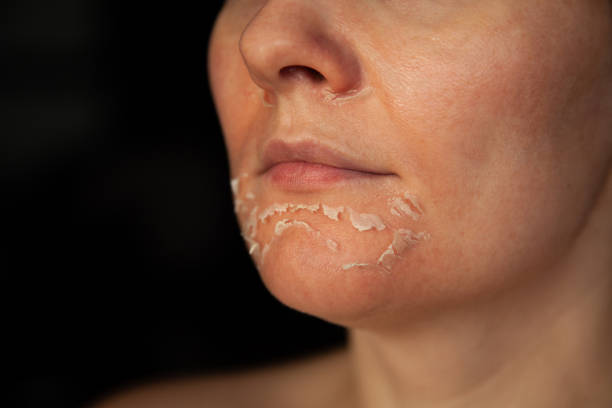
VI Peel downtime usually lasts about 5 to 7 days. During this short healing time, the skin may look red, feel tight, and peel in layers. When you avoid common mistakes, the skin heals better and results look more even.
This article explains what downtime means, why it happens, and how to care for your skin in a safe and simple way after treatment.
What Is VI Peel Downtime?
VI Peel downtime is the recovery period after a VI Peel treatment. Your skin is repairing itself.
During this time, your skin may show:
- Red or pink color
- Dry or tight feeling
- Peeling or flaking
- Mild itching
These signs are normal. They mean your skin is renewing.
Why Does Downtime Happen?
Downtime happens because the peel works below the top layer of skin. It helps remove damaged skin cells.
Your body then needs time to:
- Push out old skin
- Repair the skin barrier
- Grow new, healthy skin
This process takes days, not hours.
Why Skin Problems Appear Over Time
Many people choose a peel because of skin issues that do not fade on their own.
Common problems include:
- Acne marks
- Dark spots
- Uneven skin tone
- Sun damage
- Rough skin texture
These issues often come from:
- Too much sun
- Past acne
- Aging
- Hormone changes
- Poor skin habits
A peel helps refresh the skin, but healing is part of the solution.
How the VI Peel Works (Simple Explanation)
The VI Peel uses a special liquid placed on clean skin.
Here is how it works:
- The solution goes on the skin
- Old skin cells loosen
- Skin begins to peel over days
- New skin forms underneath
This process helps improve tone and texture over time.
What to Expect During Downtime
Day 1: Treatment Day
Right after treatment, you may notice:
- Red or warm skin
- Tight feeling
- Mild stinging
What helps:
- Do not wash your face right away
- Avoid touching your skin
- Stay indoors when possible
Your skin has started healing.
Day 2: Dry and Tight Skin
On the second day:
- Skin feels dry
- Color may look darker
- Peeling usually has not started
Helpful steps:
- Use gentle moisturizer only
- Drink water
- Avoid heat and sweating
This stage prepares skin for peeling.
Day 3: Peeling Starts
Most people see peeling begin around day three.
You may notice:
- Flakes near the mouth
- Peeling around the nose
- Mild itching
What to do:
- Let skin peel naturally
- Do not pull or pick
- Moisturize often
Pulling skin can lead to dark marks.
Day 4–5: Heavy Peeling Stage
This is often the most visible part of recovery.
Common signs include:
- Larger pieces of peeling skin
- Uneven look
- Pink skin underneath
Care tips:
- Wash gently
- Pat dry with a soft towel
- Apply moisturizer as needed
This stage looks rough but does not last long.
Day 6–7: Skin Settles Down
By this time:
- Most peeling has stopped
- Skin looks brighter
- Redness fades
You may return to:
- Light makeup
- Normal daily tasks
- Simple skin care
Strong products should still wait a few days.
Who Experiences This Recovery Period?
This healing process applies to adults who get a VI Peel for:
- Acne scars
- Dark spots
- Uneven tone
- Early fine lines
Most people heal within a week, but timing can vary.
Who May Have Longer Downtime?
Some factors can slow healing.
These include:
- Very sensitive skin
- Past skin damage
- Ignoring aftercare rules
- Too much sun exposure
Gentle care helps reduce problems.
Key Benefits of Respecting Downtime
Following recovery rules helps protect results.
Benefits include:
- More even skin tone
- Fewer dark patches
- Smoother texture
- Lower risk of irritation
Patience supports healthy skin.
Common Mistakes People Make After Treatment
Many issues come from small mistakes.
Avoid these common errors:
- Picking or pulling peeling skin
- Using scrubs or brushes too soon
- Skipping sunscreen
- Washing with hot water
- Trying new skin products
These actions can slow healing or cause marks.
Safety Tips and Warnings
Follow these safety tips during recovery:
- Avoid direct sunlight
- Wear a hat when outdoors
- Skip heavy workouts for a few days
- Avoid retinol, acids, and strong creams
Warning: Sun exposure during healing can cause long-lasting dark spots.
Cost or Pricing Information (General)
The cost of a VI Peel can vary.
Pricing depends on:
- Location
- Provider experience
- Number of sessions
Many people pay a few hundred dollars per treatment, though prices differ by area.
Best Practices for Smooth Healing
Simple habits support skin repair.
Best practices include:
- Drinking plenty of water
- Getting enough sleep
- Eating balanced meals
- Keeping skin care simple
Less is more during healing.
How to Maintain Results After Downtime
After peeling ends:
- Use sunscreen every day
- Avoid harsh products
- Moisturize often
- Keep routines gentle
These steps help results last longer.
When to Seek Professional Help
Seek professional help if you notice:
- Strong or lasting pain
- Yellow or green fluid
- Fever
- Dark spots getting worse
- Redness lasting over two weeks
These signs are not part of normal healing.
Soft Educational Recommendation
Recovery is easier when guided by trained skin professionals. Educational clinics such as Rhema Aesthetics and Wellness focus on proper aftercare guidance, which helps people heal safely and avoid common mistakes.
Short Conclusion
VI Peel downtime is a normal part of skin renewal. Redness and peeling are expected. With patience and simple care, skin can heal smoothly and look clearer over time.
FAQs
How long does VI Peel downtime usually last?
Most people heal within about 5 to 7 days.
Is peeling normal after a VI Peel?
Yes, peeling is a normal sign that old skin is shedding.
Can I work during the recovery period?
Many people return to work after a few days, depending on peeling.
Should I avoid the sun during healing?
Yes, sun protection is very important during recovery.
Are scars common after a VI Peel?
No, scars are rare when aftercare rules are followed.