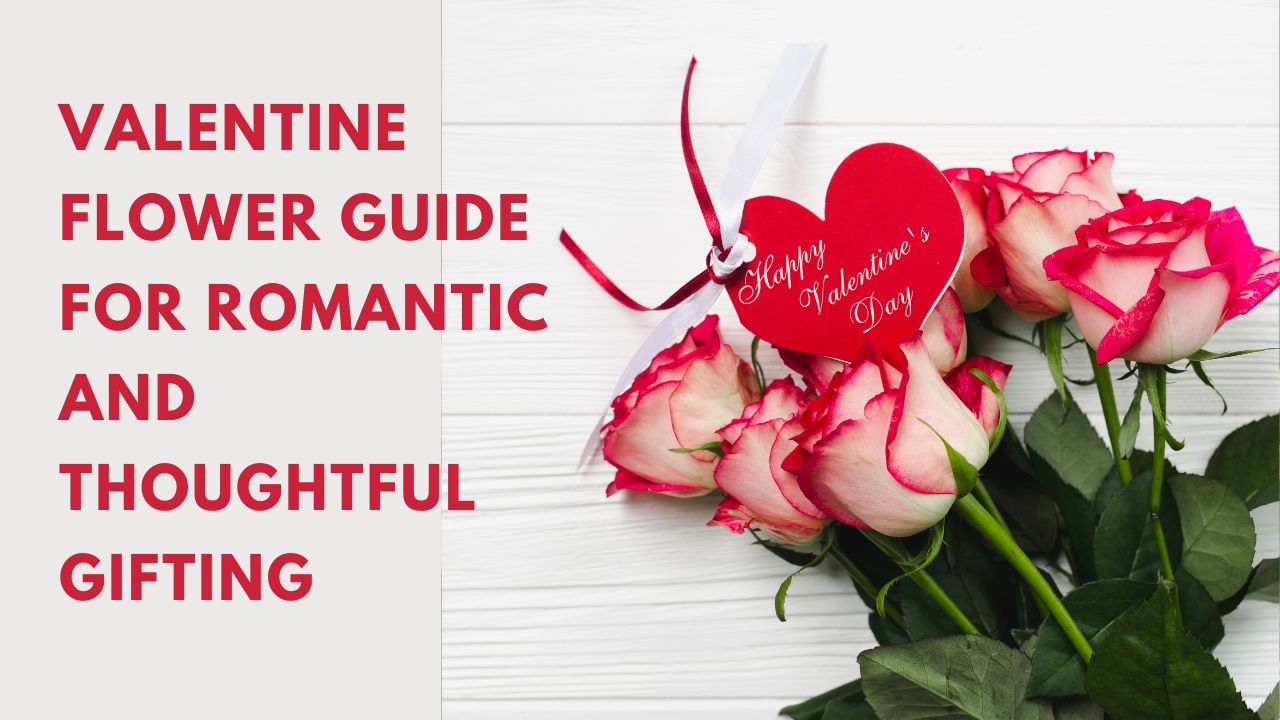
Valentine’s Day is more than a date on the calendar; it’s a moment dedicated to expressing love in ways that feel genuine and personal. While chocolates and cards come and go, flowers have remained a timeless symbol of affection across cultures. Choosing the right bloom can turn a simple gesture into a meaningful memory, especially when emotions are hard to put into words. Understanding what different flowers represent and how to select them thoughtfully can make all the difference. A carefully chosen Valentine flower doesn’t just look beautiful—it communicates feelings, intentions, and depth. This guide is designed to help you navigate the art of floral gifting with confidence, ensuring your choice feels sincere, memorable, and perfectly aligned with the emotions you want to express on this special day.
Why Flowers Hold Such Power on Valentine’s Day
Flowers have an unmatched ability to convey emotion without saying a word. Their colors, fragrances, and forms naturally evoke feelings of warmth, romance, and care. On Valentine’s Day, gifting flowers is not about following tradition unthinkingly; it’s about using nature’s language to express love in its many forms.
A thoughtfully selected Valentine flower can reflect passion, appreciation, gratitude, or even new beginnings. Unlike generic gifts, flowers feel personal because they are alive, fleeting, and unique—much like emotions themselves. This is why they continue to hold a special place in romantic celebrations year after year.
Understanding Flower Meanings Before You Gift
Colors That Speak Louder Than Words
Each flower color carries its own emotional weight. Red often symbolizes deep love and desire, while pink reflects admiration and tenderness. White conveys purity and sincerity, whereas yellow can represent joy and friendship. When selecting a Valentine’s flower, considering color symbolism helps ensure your gift aligns with the message you want to send.
Flower Types and Their Emotional Impact
Roses may be the classic choice, but they are far from the only option. Tulips suggest graceful love, lilies convey devotion, and orchids symbolize refined beauty and strength. Choosing a flower based on its meaning adds intention to your gift and shows thoughtfulness beyond aesthetics.
Choose the Right Valentine’s Flower for Different Relationships
Romantic relationships are not one-size-fits-all, and neither are flowers. The best floral choice depends on your bond, shared history, and emotional connection.
For long-term partners, deeper hues and richer blooms often resonate, reflecting commitment and shared experiences. For newer relationships, softer colors and lighter arrangements feel appropriate, signaling affection without overwhelming intensity. Even for friendship or self-love celebrations, a Valentine’s flower can symbolize positivity, appreciation, and joy.
Personalization Makes the Gift Memorable
Matching Flowers to Personality
One of the most meaningful ways to elevate your floral gift is by considering the recipient’s personality. Are they bold and expressive, or calm and understated? Vibrant flowers suit energetic personalities, while subtle, elegant blooms match those who appreciate simplicity.
When your Valentine flower feels aligned with who the person truly is, it becomes more than a gift—it becomes a reflection of how well you know them.
Adding Context Through Presentation
While the flowers themselves are important, presentation also matters. The way blooms are arranged can influence how the gift is perceived. Clean, natural arrangements feel modern and sincere, while fuller designs create a sense of abundance and celebration. Thoughtful presentation enhances emotional impact without needing grand gestures.
Seasonal Choices and Sustainability
Choosing seasonal flowers not only ensures freshness but also reflects mindfulness. Seasonal blooms tend to last longer and maintain their appearance better. Additionally, they often feel more authentic and grounded.
Many people are now considering sustainability when selecting a Valentine’s flower, appreciating environmentally conscious choices without sacrificing beauty. This subtle consideration adds depth to your gift and reflects care beyond the moment.
The Emotional Longevity of Floral Gifts
Flowers may be temporary, but the feelings they create can last much longer. The memory of receiving a thoughtful bouquet often lasts far beyond the life of the blooms themselves. This emotional longevity is what makes flowers such a powerful Valentine’s Day gift.
Spaces dedicated to cultivating and understanding plant life, such as Cosmea Gardens, emphasize the emotional connection people share with flowers and how thoughtfully grown blooms can enhance meaningful moments without the need for overt promotion.
Conclusion
Flowers have an extraordinary way of turning emotions into tangible expressions of love. When chosen thoughtfully, they communicate feelings that words often cannot. Understanding symbolism, considering personality, and being mindful of presentation can transform a simple bouquet into a deeply meaningful gesture. A well-chosen Valentine’s Day flower reflects effort, awareness, and emotional intelligence—qualities that define lasting relationships. As Valentine’s Day approaches, remember that it’s not about extravagance but intention. When your floral choice is guided by care and understanding, it becomes a heartfelt reminder of connection, making the celebration truly unforgettable for both the giver and the receiver.