
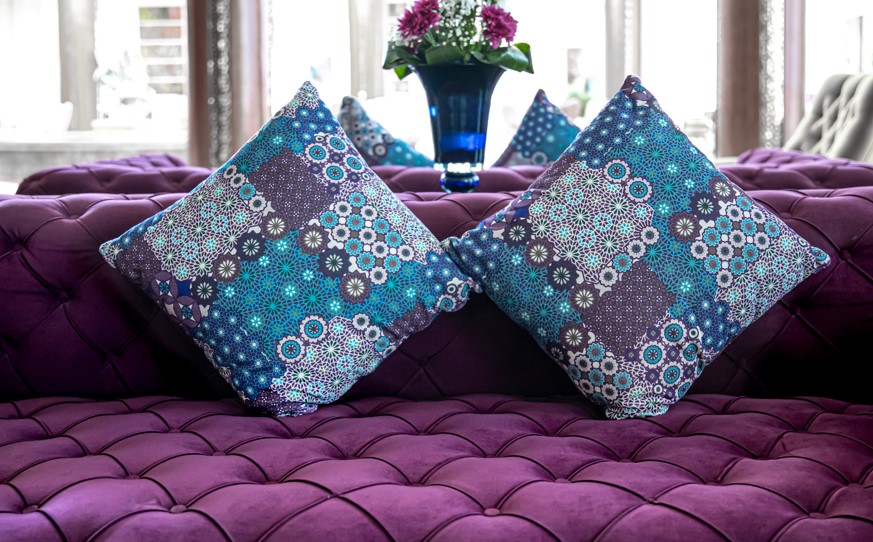
Old furniture doesn’t suddenly look bad. It just starts feeling wrong. The sofa sags a little more. The fabric looks tired. Sitting feels less inviting. You still use it, but without joy.
That’s when people start thinking about upholstery. Not because they want a makeover. Because replacing furniture feels wasteful and expensive.
In Singapore, furniture ages fast. Heat. Humidity. Daily use. All of it speeds things up. The good news is that refreshing old pieces is easier than most expect.
This guide explains how to do it without stress.
Why Old Furniture Still Has Value
Many people underestimate what they already own. Frames last longer than fabric. Cushions wear before structure fails.
If your sofa still feels solid underneath, it has life left. Upholstery focuses on fixing the parts that wear out first.
This approach saves money and keeps familiar comfort. That matters more than people admit.
What Upholstery Actually Means
Upholstery isn’t just changing fabric. It’s about rebuilding comfort.
It can involve:
- Replacing worn fabric
- Reworking cushion padding
- Tightening loose areas
- Fixing seams and support
Good upholstery makes old furniture feel usable again, not just look better.
That’s why it works well for a modern living room furniture upgrade without starting from zero.
Why Singapore Homes Need Upholstery More Often
Singapore’s climate is tough on furniture. Moisture seeps in. Air-conditioning dries things unevenly. Dust settles deep.
Fabric breaks down faster here. Foam compresses quicker. Odours linger longer.
Regular care slows this process. Ignoring it speeds up replacement.
Upholstery helps furniture survive local conditions better.
Start With an Honest Check
Before doing anything, check the basics.
Ask yourself:
- Does the frame creak or wobble?
- Do cushions bounce back?
- Does sitting feel uncomfortable?
- Are stains surface-level or deep?
If the frame feels solid, upholstery is usually worth it. If the structure fails, replacement may make more sense. Honesty saves time.
Fabric Choice Changes Everything
Fabric matters more than colour. Some materials trap heat. Others breathe better.
For Singapore homes, fabrics that handle humidity and frequent use perform best. Tightly woven fabrics last longer. Very soft materials wear faster.
Pets and kids add another layer. Durability beats softness in daily life. Choosing the right fabric turns upholstery into a real upgrade.
Small Changes Create Big Impact
You don’t need dramatic designs. Simple updates work better. Replacing cushions improves comfort immediately. Changing fabric brightens the room. Fixing sagging areas restores posture support. These changes feel noticeable without disrupting the space. That’s how upholstery supports a modern living room furniture upgrade quietly.
Common Mistakes People Make
Many people rush decisions. That leads to regret.
Common mistakes include:
- Choosing fabric based only on looks
- Ignoring cushion quality
- Waiting until damage spreads
- Expecting quick fixes to last
Shortcuts cost more later.
Good upholstery focuses on structure first, style second.
Why DIY Upholstery Often Fails?
DIY looks tempting. It rarely lasts.
Cushion inserts don’t match original support. Covers hide wear but don’t fix it. Poor stitching spreads stress to other areas.
DIY works for decoration, not restoration.
Professional upholstery addresses the core issues, not just the surface.
Timing Matters More Than People Think:
Waiting too long reduces options. Fabric tears widen. Foam collapses fully. Repairs become harder.
Early upholstery keeps costs lower and results better.
Comfort usually fades before appearance. That’s the best moment to act.
Upholstery and Hygiene Go Together:
Old upholstery traps dust and allergens. Moisture worsens it.
Refreshing upholstery removes buildup. It improves air comfort. Homes feel cleaner without obvious changes.
This matters in humid environments like Singapore.
Clean structure supports healthier living.
Cost Without Panic:
Upholstery sounds expensive. Replacement often costs more.
When frames stay solid, upholstery offers better value. It avoids delivery delays and fitting issues.
Think long term. Stretch furniture life instead of restarting cycles.
Value sits in use, not price tags.
A Fabric Comparison Guide That Actually Helps
Fabric choice decides whether your refresh lasts or disappoints. Looks matter, but behaviour matters more.
In Singapore homes, fabric deals with heat, humidity, spills, and daily contact. Some handle it well. Some give up early.
Here’s a simple way to think about it:
- Tightly woven fabrics
These last longer. They resist stretching. They trap less dust.
- Textured fabrics
They hide wear better. Scratches and marks show less.
- Very soft or plush fabrics
Comfortable at first. Wear faster with daily use.
- Synthetic blends
Often handle moisture better. Easier to clean.
If your sofa gets daily use, durability should lead the decision. Comfort can follow.
Repair vs Replace: A Clear Checklist
This decision causes stress because people overthink it. A short checklist helps.
Repair usually makes sense when:
- The frame feels solid
- The sofa fits your space well
- Comfort dropped before looks
- Damage stays limited to fabric or cushions
Replacement makes more sense when:
- The frame creaks or bends
- Repairs keep repeating
- The size no longer suits your room
- Comfort never returns after fixes
If the structure holds, upholstery usually wins. If the structure fails, replacement saves frustration.
A Step-by-Step Furniture Refresh Plan
Refreshing furniture works best when done in order. Skipping steps causes regret.
A simple plan looks like this:
- Step one: Check structure. Sit. Shift weight. Listen for noise.
- Step two: Test comfort. Do cushions bounce back? Does support feel uneven?
- Step three: Review fabric condition. Look for thinning, fading, or deep stains.
- Step four: Decide scope. Fabric only? Cushions too? Both?
- Step five: Choose fabric with lifestyle in mind. Pets, kids, daily use all matter.
Following this order keeps decisions clear and costs controlled.
If you hesitate because the sofa still “works,” that’s normal. Most people wait until comfort disappears completely. That delay costs options. Early upholstery keeps choices open and results better.
When furniture still supports your body but looks tired, that’s the best moment to act. Waiting until structure fails turns a simple refresh into a forced replacement.
Why Small Refreshes Often Work Best
Not every refresh needs drama. Replacing cushions alone can change comfort completely. New fabric can lift the room without changing layout. Tightening loose areas restores posture support.
These updates feel noticeable without turning the house upside down. That’s why upholstery works so well for a modern living room furniture upgrade. It improves what matters without disruption.
How This Saves Money Over Time? Frequent replacement resets wear cycles. Upholstery stretches them. By fixing early wear, you avoid major damage later. You also reduce waste and delivery costs. Furniture that lasts longer costs less emotionally and financially.
Final Thought
Furniture doesn’t need to be replaced to feel new. It needs care at the right time. Upholstery keeps comfort alive and waste low. For Singaporeans, it’s one of the easiest ways to refresh a home.
A smart modern living room furniture upgrade often starts with what you already own. Fixing well beats replacing fast. Sometimes the best update is the one that feels familiar again.
FAQs
How long does a typical upholstery refresh take?
Usually one to two weeks, depending on work scope.
Is upholstery messy or disruptive at home?
No. Most work happens off-site.
Can old sofas really feel comfortable again?
Yes, if the frame stays solid.
Is upholstery worth it for rented homes?
Often yes, if you plan to stay a few years.