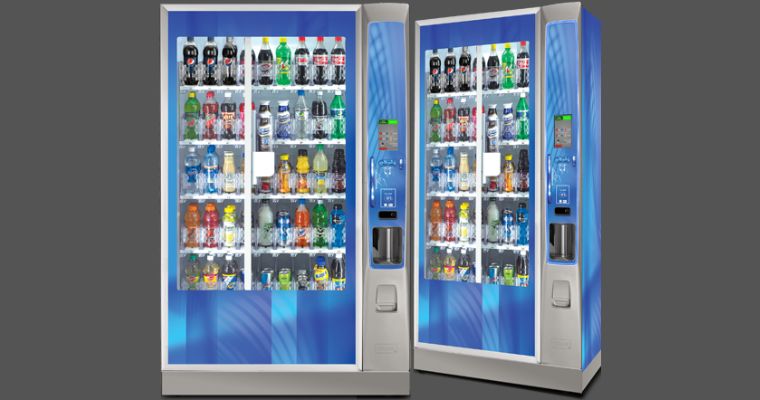
The humble vending machine has come a long way since its first appearance in Australian shopping centres and office buildings. What started as a simple solution for dispensing soft drinks and chocolate bars has evolved into something far more sophisticated. Today’s entrepreneurs are discovering that automated retail represents one of the most scalable business models available, particularly when you look beyond traditional offerings.
The Australian retail landscape is shifting rapidly. With rising commercial rents, staffing challenges, and consumers demanding convenience at every turn, savvy business owners are exploring automated retail solutions. When considering a vending machine purchase, the smart money isn’t going toward another chip-and-chocolate operation. Instead, innovative operators are identifying gaps in the market where automation can solve real problems whilst generating impressive margins.
This isn’t about following trends for the sake of it. The data tells a compelling story: Australia’s automated retail market is projected to grow by 8.3% annually through 2028, with the most significant growth occurring in non-traditional categories. Meanwhile, consumer behaviour studies reveal that 67% of Australians would use vending machines more frequently if they offered products beyond snacks and beverages. That gap represents opportunity.
The Case for Disruption
Traditional vending operations face genuine challenges. Competition is fierce, margins on soft drinks and confectionery are razor-thin, and you’re essentially competing with every service station and convenience store in your vicinity. The barrier to entry is low, which means differentiation is nearly impossible.
Here’s what most operators miss: vending machines excel when they solve a specific problem at a specific location. The key isn’t accessibility alone—it’s providing something people genuinely need when they need it, preferably without easy alternatives nearby.
Consider the gym-goer who forgot their protein shaker. The traveller at a regional airport needing phone accessories. The office worker who’s run out of paracetamol mid-afternoon. These aren’t luxury purchases; they’re solutions to immediate problems, and people will pay premium prices for instant access.
Fresh Food Vending: The Game-Changer
Melbourne’s CBD has witnessed remarkable growth in fresh food vending over the past three years. These aren’t your standard sandwich machines from the 1990s. Modern fresh food vending offers chef-prepared meals, grain bowls, sushi, and even gourmet salads—all with real-time inventory tracking and temperature monitoring.
The economics make sense. A well-placed fresh food vending machine in a commercial precinct can generate between $3,000 and $8,000 weekly in revenue. Compare that to traditional snack vending, which typically yields $300-600 weekly from the same location.
The operational model differs significantly from conventional vending. You’re essentially running a micro-restaurant with lower overheads. Successful operators partner with commercial kitchens or catering companies, ensuring consistent quality whilst managing food safety requirements. The technology handles stock rotation automatically, alerting operators when items approach their use-by dates.
Perth-based entrepreneur Sarah Chen launched her fresh food vending business in 2022 with three machines placed in office buildings. Within 18 months, she’d expanded to 23 locations across Western Australia. Her secret? Understanding that office workers weren’t looking for cheap food—they wanted healthy, convenient options that didn’t require leaving the building during their lunch break.
“We’re competing with cafes and takeaway shops, not other vending machines,” Chen explains. “That means our pricing reflects the value we’re providing: restaurant-quality food available 24/7 without queuing or minimum order values.”
Personal Protective Equipment Vending
Mining sites, construction projects, and industrial facilities across Australia face a persistent challenge: workers frequently forget, lose, or damage essential safety equipment. Traditional approaches involve maintaining on-site stores or requiring workers to travel to procurement offices—both expensive and inefficient solutions.
PPE vending machines eliminate these friction points. Strategically placed units dispense gloves, safety glasses, ear protection, hard hat accessories, and high-visibility clothing on demand. The machines integrate with site access systems, tracking which workers take which items and automatically charging their accounts or employers.
The business case is straightforward. A single machine at a large construction site can generate $2,000-4,000 monthly in revenue with minimal maintenance requirements. More importantly, these installations solve compliance problems for site managers, creating strong customer retention.
Queensland-based SafetyDirect installed their first PPE vending machine at a Brisbane construction project in 2021. The site manager reported a 43% reduction in safety incidents related to workers lacking proper equipment. Word spread quickly, and SafetyDirect now operates 87 machines across mining and construction sites throughout Queensland and the Northern Territory.
Technology and Electronics Accessories
Airports, universities, tourist destinations, and transport hubs share a common characteristic: they’re full of people who’ve forgotten something essential. Phone chargers, earbuds, power banks, memory cards, and device cables represent perfect vending candidates.
The margins on electronics accessories are substantial—often 300-500% markup over wholesale costs. A USB-C cable that costs $3 wholesale might sell for $15-20 at an airport vending machine, and customers gladly pay because the alternative involves missing a flight or enduring a long journey without entertainment.
Sydney Airport’s Terminal 1 hosts several electronics vending machines that collectively generate over $45,000 monthly. The machines stock premium brands alongside budget options, catering to different customer segments. Smart inventory management ensures the machines never run out of iPhone cables (the fastest-moving item) whilst avoiding excessive stock of less common accessories.
Brisbane-based TechVend identified another lucrative niche: university campuses during exam periods. Students studying late frequently need emergency phone chargers, and university libraries typically close their retail outlets by 6 PM. TechVend’s machines, operating 24/7 outside library entrances, generate 60% of their monthly revenue during the two-week exam period each semester.
Health and Wellness Products
Pharmacies close. Medical centres have limited hours. Yet minor health issues don’t operate on a 9-to-5 schedule.
Health and wellness vending is emerging as a high-margin category, particularly in locations where pharmacy access is limited. Machines stocked with pain relief medication, cold and flu remedies, first aid supplies, feminine hygiene products, and vitamins serve genuine needs whilst commanding premium pricing.
Regulatory compliance represents the main barrier to entry—which simultaneously creates a moat around successful operators. Australian regulations require specific licensing for vending machines dispensing Schedule 2 and Schedule 3 medications, meaning many potential competitors simply won’t navigate the bureaucratic requirements.
Melbourne’s Wellness Express operates 34 machines across regional Victoria, focusing on locations at least 5 kilometres from the nearest pharmacy. Their machines include basic diagnostics like blood pressure monitors and thermometers, creating a mini-health station rather than simple vending.
Average transaction values exceed $25, with customers often purchasing multiple items. The machines accept both cash and card payments, and the company reports that 73% of transactions occur outside standard pharmacy operating hours—clear evidence they’re serving an undermet need.
Automotive and Cycling Supplies
Service stations stock limited cycling gear, despite thousands of recreational cyclists using Australia’s bike paths and trails every weekend. Petrol stations near popular cycling routes represent ideal locations for specialized vending machines offering inner tubes, multi-tools, energy gels, electrolyte drinks, and basic repair supplies.
The same logic applies to automotive vending at strategic locations: car parks, camping grounds, and remote highway stops. Machines stocked with phone mounts, air fresheners, screen wash, fuses, and other consumables solve immediate problems at moments when alternatives don’t exist.
Adelaide-based CycleStop identified high-traffic cycling routes using Strava heat maps, then negotiated placements at cafes and rest stops along these routes. Their machines generate modest daily revenue during weekdays but spike dramatically on weekends, with some locations processing 40-60 transactions every Saturday and Sunday.
“Cyclists are willing to pay premium prices because the alternative is cutting their ride short,” explains founder Marcus Thompson. “A $12 inner tube from our machine beats a $40 Uber home.”
Beauty and Personal Care
Hotel vending has evolved considerably beyond toothbrushes and razors. Modern machines in hotel lobbies and corridors now stock premium skincare products, makeup items, hair care products, and grooming accessories.
The target customer is clear: business travellers and tourists who’ve forgotten items or want to try products before purchasing full sizes. Many hotels now view these machines as amenity enhancements rather than pure revenue generators, though the economics work independently.
Premium product vending requires different thinking about inventory and pricing. These machines stock brands customers recognize and trust—Aesop, Frank Body, Drunk Elephant—rather than generic alternatives. Price sensitivity is low when someone needs moisturizer at 11 PM before an important morning meeting.
Gold Coast hotels pioneered this approach in Australia, with several five-star properties installing beauty vending in 2020. Guest feedback has been overwhelmingly positive, and hotel management reports the machines generate additional revenue whilst reducing complaints about forgotten items.
Books, Magazines, and Entertainment
Digital hasn’t killed physical media entirely. Airport bookshops prove that people still buy books and magazines, particularly when facing long flights or layovers. Yet these shops have limited hours and often close before late-night or early-morning flights.
Book vending machines at airports, train stations, and ferry terminals serve this gap. Modern units offer digital screens displaying book covers and descriptions, allowing customers to browse before purchasing. Some machines even provide personalised recommendations based on previous selections.
The economics differ from other vending categories. Book margins are tighter, typically 40-50% rather than the 200-300% common in other sectors. However, higher average transaction values compensate—customers often spend $25-40 per purchase.
Hobart Airport installed Tasmania’s first book vending machine in 2023, stocked with local authors, Australian classics, and popular fiction. The machine generates approximately $1,800 weekly whilst promoting Tasmanian literature to departing visitors—a win for both commerce and culture.
Implementation Strategies
Success in non-traditional vending requires different approaches than conventional operations.
Location selection becomes paramount. You’re not seeking high foot traffic alone but rather the intersection of need, timing, and absence of alternatives. A PPE vending machine generates zero revenue in a shopping centre but thrives at construction sites. Fresh food vending needs office workers, not casual shoppers.
Pricing strategy must reflect value, not cost. Convenience commands premium pricing. Your competition isn’t other vending machines; it’s the inconvenience of going without the product or travelling elsewhere to obtain it.
Inventory management requires sophistication. Fresh food vending demands daily restocking and strict rotation protocols. Electronics vending needs responsive inventory adjustments as device standards evolve. Health vending requires regulatory compliance and temperature control.
Technology investment pays dividends. Modern vending machines offer remote monitoring, cashless payments, sales analytics, and inventory alerts. These aren’t luxuries—they’re essential tools for managing multiple locations efficiently.
Partnership opportunities amplify success. The best placements often require revenue-sharing agreements with property owners or site managers. Offering 10-20% of revenue to secure a prime location typically generates better returns than paying fixed rent for mediocre sites.
The Path Forward
Australia’s vending industry stands at an inflection point. Traditional operators focusing on soft drinks and chocolate face increasing pressure from changing consumer preferences, rising costs, and margin compression. Meanwhile, innovative entrepreneurs exploring specialized niches are building profitable businesses with genuine competitive moats.
The opportunities extend beyond the categories discussed here. Pet supply vending, fishing tackle machines, travel essential dispensers, and countless other niches await exploration. The question isn’t whether automated retail will expand into new categories—it’s which operators will identify and capture these opportunities first.
The most successful vending entrepreneurs share common characteristics: they solve specific problems for defined customer segments, they embrace technology rather than viewing it as a cost, and they recognize that premium pricing is sustainable when you’re providing genuine value.
The Australian market offers particular advantages for vending innovation. Our dispersed population creates locations where traditional retail isn’t economically viable, yet demand exists. Our high labour costs make automated solutions increasingly attractive. And our consumers have demonstrated willingness to embrace convenience-based services.
For entrepreneurs willing to look beyond snacks and soft drinks, vending machines represent not just a business opportunity but a chance to genuinely improve how people access products they need. That’s the kind of disruption that creates lasting value—for operators, customers, and the retail landscape itself.