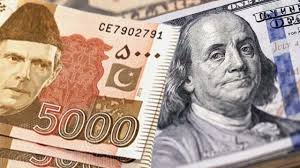
The exchange rate between the United States Dollar and the Pakistani Rupee is one of the most discussed financial topics in Pakistan. The keyword 1 USD to PKR is frequently searched by individuals, businesses, investors, and travelers who want to understand how global currency movements affect their daily lives. This exchange rate is not just a number; it reflects the overall economic health of the country, investor confidence, trade balance, and monetary policies.
What Does 1 USD to PKR Mean?
The term 1 USD to PKR refers to how many Pakistani Rupees are required to purchase one United States Dollar. When the value of the dollar rises against the rupee, it means more PKR is needed to buy 1 USD. Conversely, when the rupee strengthens, fewer rupees are required. This exchange rate fluctuates constantly due to market forces, making it a dynamic indicator of Pakistan’s economic conditions.
For many Pakistanis, the dollar rate matters because it directly impacts the cost of imported goods, fuel prices, education expenses abroad, and even everyday household items. Businesses that rely on imports or exports also keep a close watch on 1 USD to PKR to manage costs and profits effectively.
Historical Perspective of USD to PKR Exchange Rate
Over the decades, the exchange rate between the dollar and the rupee has changed significantly. In the early years after independence, the Pakistani Rupee was relatively strong compared to the US Dollar. However, economic challenges, political instability, and increasing reliance on imports gradually weakened the rupee.
The long-term trend of 1 USD to PKR shows gradual depreciation of the rupee. This depreciation has not always been linear; there have been periods of relative stability followed by sharp adjustments. These sudden changes often occur due to external shocks such as global oil price hikes, financial crises, or domestic economic reforms.
Factors Influencing 1 USD to PKR
Several factors play a role in determining the exchange rate between the US Dollar and Pakistani Rupee. One of the most important factors is inflation. When inflation in Pakistan is higher than in the United States, the purchasing power of the rupee decreases, leading to a higher 1 USD to PKR rate.
Trade balance also has a major impact. Pakistan imports more goods than it exports, creating a trade deficit. This increases demand for dollars to pay for imports, pushing the dollar higher against the rupee. Foreign debt obligations further add pressure, as loan repayments often require payments in USD.
Political stability and investor confidence are equally important. When investors feel confident about Pakistan’s economy, foreign investment increases, strengthening the rupee. On the other hand, uncertainty or instability often leads to capital outflows, raising the value of 1 USD to PKR.
Role of the State Bank of Pakistan
The State Bank of Pakistan plays a crucial role in managing the exchange rate. Although Pakistan follows a market-driven exchange rate system, the central bank can intervene to reduce excessive volatility. These interventions may include selling or buying dollars in the foreign exchange market to stabilize the rupee.
Monetary policy decisions such as interest rate changes also influence 1 USD to PKR. Higher interest rates can attract foreign investment in government securities, increasing dollar inflows and supporting the rupee. Lower interest rates may have the opposite effect, increasing pressure on the local currency.
Impact of 1 USD to PKR on Daily Life
The value of 1 USD to PKR directly affects the cost of living in Pakistan. When the dollar becomes expensive, imported items such as fuel, cooking oil, electronics, and medicines become more costly. This leads to higher inflation, reducing purchasing power for ordinary citizens.
Students studying abroad and families supporting them are particularly affected by changes in the exchange rate. A higher dollar rate means higher tuition fees and living expenses when converted into rupees. Similarly, travelers planning trips to the United States or other dollar-linked destinations must budget more when 1 USD to PKR increases.
Effect on Businesses and Trade
Businesses involved in imports and exports closely monitor the USD to PKR rate. Importers face higher costs when the dollar strengthens, which can reduce profit margins or lead to higher prices for consumers. Exporters, on the other hand, may benefit from a weaker rupee, as their goods become cheaper in international markets.
However, the relationship is not always straightforward. Many exporters rely on imported raw materials, which become more expensive when 1 USD to PKR rises. As a result, the overall impact depends on the structure of the business and its reliance on foreign inputs.
Remittances and 1 USD to PKR
Remittances from overseas Pakistanis are a major source of foreign exchange for the country. When the dollar is strong, remittances converted into rupees increase in value, benefiting recipient families. A higher 1 USD to PKR rate often encourages overseas workers to send more money home, supporting household consumption and foreign reserves.
At the national level, strong remittance inflows help stabilize the exchange rate by increasing the supply of dollars in the market. This is one of the reasons why remittances are closely linked to currency stability in Pakistan.
Market Speculation and Exchange Rate Volatility
Currency markets are influenced not only by economic fundamentals but also by speculation. Expectations about future policies, international loans, or geopolitical developments can cause sudden movements in 1 USD to PKR. Sometimes, even rumors can trigger short-term volatility, affecting businesses and consumers alike.
Managing expectations and maintaining transparency in economic policy is essential to reduce unnecessary speculation. Clear communication from financial authorities helps calm markets and promotes stability in the exchange rate.
Future Outlook of USD to PKR
The future direction of 1 USD to PKR depends on multiple factors, including economic reforms, export growth, fiscal discipline, and global economic conditions. Structural improvements such as increasing exports, reducing reliance on imports, and broadening the tax base can strengthen the rupee over time.
While short-term fluctuations are inevitable, long-term stability requires consistent policies and sustainable economic growth. As Pakistan continues to navigate global and domestic challenges, the exchange rate will remain a key indicator of progress.
Conclusion
The value of 1 USD to PKR is more than just a currency conversion rate; it reflects the broader economic reality of Pakistan. From inflation and trade to remittances and investment, this single figure influences many aspects of daily life and business decisions. Understanding the factors behind exchange rate movements helps individuals and organizations plan better and adapt to changing economic conditions. As awareness grows, monitoring the USD to PKR rate will continue to be essential for anyone connected to Pakistan’s economy.