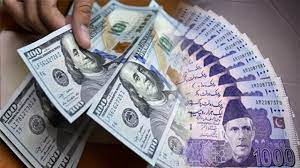
Dollar to PKR
The relationship between the US dollar and the Pakistani rupee is a key economic indicator that affects daily life, trade, savings, investment, and inflation in Pakistan. When people talk about the dollar to PKR situation, they are referring to the value of the US dollar in Pakistani currency and how much one unit of USD can buy in PKR. This exchange rate is influenced by a complex mix of domestic economic conditions, global financial markets, geopolitical developments, and trade balances. For individuals and businesses in Pakistan, staying informed about movements in the exchange rate is essential because it affects everything from the cost of imported goods to remittances sent home by overseas Pakistanis.
Historical Perspective on Currency Fluctuations
The Pakistani rupee has experienced significant fluctuations against the US dollar over the past few decades. In earlier years, the rupee remained relatively stable due to fixed exchange rate policies and limited global market exposure. However, as Pakistan opened its economy and integrated more deeply with global trade systems, market forces began to play a larger role in determining currency values. Periods of political instability, trade deficits, changes in oil prices, and external debt obligations have all contributed to shifting dollar to PKR values over time. Unlike a decade ago, where the rupee maintained a stronger position against the dollar, recent years have seen the exchange rate move steadily upward, indicating depreciation of the rupee.
How the Exchange Rate Is Determined
The exchange rate between the US dollar and the Pakistani rupee is shaped by supply and demand in foreign exchange markets. When demand for the dollar rises—often because importers need dollars to pay for foreign goods, or because foreign investors are withdrawing capital—the value of the dollar increases compared to the rupee. Conversely, if Pakistan receives significant foreign currency inflows through exports, remittances, or foreign investment, the supply of dollars in the economy increases, which can help stabilize or strengthen the rupee. Central banks also influence these dynamics through interventions, such as adjusting interest rates or buying and selling foreign reserves to manage volatility.
Economic Factors Impacting the Dollar to PKR Exchange
Several economic factors influence the exchange rate between these two currencies. One of the most important elements is the trade balance. Pakistan imports more than it exports, which creates greater demand for foreign currencies like the US dollar. This demand can put downward pressure on the rupee. Inflation rates also play a role; when inflation in Pakistan is high relative to inflation in the United States, the purchasing power of the rupee weakens, causing it to lose value against the dollar. Additionally, interest rate differentials between the two countries can attract or repel foreign capital, further impacting exchange rate movements.
The Role of Remittances in Stabilizing Currency Value
Remittances sent by millions of Pakistanis working abroad represent a significant source of foreign exchange for the country. These inflows can help cushion the rupee during times of economic stress. When Pakistan receives higher remittances, the supply of US dollars increases, which can reduce pressure on the rupee and support its value. In recent years, remittances have set record highs, proving crucial for maintaining balance in forex markets and providing households with additional income. The positive effect of remittances highlights the interconnectedness between global labor mobility and domestic currency stability.
Political Stability and Exchange Rate Sentiment
Political events and governance play a role in economic confidence, which indirectly affects the exchange rate. Periods of political uncertainty, changes in government policies, and shifts in investor confidence can lead to fluctuations in the value of the rupee against the dollar. For example, announcements related to economic reforms, budgetary policies, or diplomatic relations with major trading partners can influence market perception, leading to immediate responses in foreign exchange markets. In contrast, a stable political environment with clear economic direction tends to foster investor confidence and more predictable currency behavior.
Impact of Global Events on Currency Markets
Global financial markets are highly interconnected, and events in distant regions can ripple through emerging economies like Pakistan. Monetary policy decisions by the US Federal Reserve, global oil price shocks, changes in international interest rates, and geopolitical tensions can create volatility in currency markets. When global investors seek safe-haven assets, the US dollar often strengthens, and currencies like the Pakistani rupee can face downward pressure.
How the Exchange Rate Affects Everyday Life in Pakistan
Changes in the dollar to PKR exchange rate have tangible impacts on the everyday lives of people in Pakistan. When the rupee weakens, the cost of imported goods—including fuel, machinery, electronics, and medicine—rises. This, in turn, contributes to higher prices domestically and can fuel inflationary pressures. Consumers may find their purchasing power diminished, especially for imported products. Conversely, when the rupee strengthens, imported goods become relatively cheaper, potentially easing inflation and lowering the cost of living. Families receiving remittances also feel the effects; a stronger rupee gives them less purchasing power for the same amount of foreign income, while a weaker rupee increases the value of remittance inflows.
Business and Investment Decisions in a Fluctuating Market
Business owners and investors closely monitor the USD dollar to PKR today rate in Pakistan to make strategic decisions. Companies that rely on imported raw materials must account for exchange rate risk when planning production costs and pricing strategies. Exporters benefit when the rupee is weaker because their products become more competitive in foreign markets, attracting international buyers. Investors, both domestic and foreign, consider exchange rate expectations when evaluating opportunities in Pakistan’s stock markets, bonds, and real estate sectors. Sound currency management and forecasting enable businesses to hedge risks and maintain financial resilience.
Government and Central Bank Policies
To manage economic stability, the Government of Pakistan and the State Bank of Pakistan (SBP) play crucial roles in shaping monetary and fiscal policies. The SBP may intervene in the foreign exchange market to smooth excessive volatility, using foreign exchange reserves or adjusting monetary policy tools such as interest rates. Fiscal policies, including taxation and public spending, also influence economic growth and inflation, which indirectly affect the exchange rate. Strategic policy decisions aim to balance objectives such as controlling inflation, promoting exports, and safeguarding foreign reserves.
The Future Outlook for the Exchange Rate
Predicting the future movement of the dollar against the Pakistani rupee involves anticipating economic trends, policy decisions, and global conditions. Analysts often review data on trade balances, foreign direct investment, remittances, inflation, and geopolitical developments to form expectations about currency direction. While short-term fluctuations are common, long-term exchange rate trends reflect deeper structural factors within the economy. For Pakistan, strengthening export capacity, attracting sustainable investment, and enhancing industrial productivity can contribute to more stable currency dynamics over time.
Technology and Real-Time Exchange Monitoring
With the rise of digital platforms, individuals and businesses can now access real-time exchange rate information easily. Online forex trackers, mobile apps, and financial news websites provide live updates on dollar to PKR movements, historical charts, and expert analysis. This accessibility has empowered users to make timely and informed financial decisions. Whether someone is planning to convert currency, remit funds, or manage business expenses, having up-to-date data helps mitigate uncertainty and supports better planning.
Educational Importance of Exchange Rate Awareness
Understanding the concept of exchange rates goes beyond financial transactions. It fosters economic literacy among citizens and encourages a deeper awareness of how global systems impact local economies. Schools, universities, and professional courses increasingly include discussions on currency markets, international trade, and financial management. For young professionals and students, grasping the significance of dollar to PKR trends equips them with valuable knowledge for careers in business, economics, finance, and public policy.
Conclusion: The Dynamic Relationship Between Two Currencies
The exchange rate between the US dollar and the Pakistani rupee reflects a dynamic interplay of economic forces, global influences, and policy decisions. As both individuals and institutions navigate this relationship, they must consider a wide range of factors that drive currency movements. Economic fundamentals, political stability, global trends, and market sentiment all contribute to shaping the value of the rupee against the dollar. Staying informed, understanding the implications, and anticipating future trends empowers businesses and households alike to make sound financial decisions. The journey of the dollar to PKR exchange rate is a continuous reminder of how intertwined local economies are with the broader world.