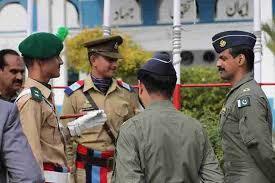
Cadet Colleges in Pakistan
Cadet colleges in Pakistan occupy a unique and respected place in the country’s educational landscape. Unlike conventional schools, these institutions integrate formal academics with military-style discipline and character building. The primary purpose of cadet colleges is not just to prepare students academically, but to develop resilience, leadership qualities, and a strong moral compass. From early morning physical training to evening study hours, life in a cadet college is designed to help young students mature into responsible, confident, and motivated individuals.
Historical Roots and Development
The concept of cadet education in Pakistan dates back to the early years following independence. Inspired by the British public school system and military schooling models, the government established cadet colleges to nurture future leaders who could serve in both civilian and defense sectors. Over time, these institutions have evolved to include modern curricula, improved facilities, and professional teaching staff. Today, cadet colleges are considered beacon institutions that regularly contribute high achievers to universities, academies, and competitive professions nationwide.
Why Families Choose Cadet Education
Choosing a cadet college represents a major decision for families. Many parents are attracted by the disciplined environment that balances academic rigor with physical fitness and moral values. In a world where distractions abound and academic competition is intense, cadet colleges provide structure that keeps students focused on goals and personal development. The environment helps students build habits of time management, goal setting, and perseverance—traits that serve them well academically and personally long after graduation.
Rigorous Academic Standards
Cadet colleges in Pakistan maintain high academic standards and typically follow recognized educational boards such as the Federal Board or Provincial Boards. Students receive quality instruction in core subjects like Mathematics, Physics, Chemistry, and English, alongside social sciences and languages. What sets cadet education apart is the additional emphasis on analytical thinking and competitive preparation. Many cadet colleges also offer tutoring and preparatory classes for entrance exams to professional programs, helping students secure spots in medical, engineering, and defense academies.
Discipline as a Foundation for Growth
Discipline is not simply a concept but a daily practice in cadet colleges. From punctuality in morning assembly to adherence to uniform codes and study routines, every aspect of life is regulated to instill self-control and responsibility. Students learn to respect authority and regulations while developing their own internal discipline. This structured living helps cadets become more focused and less prone to distractions. Over time, the habits formed within this environment translate into personal accountability and a strong sense of commitment to their goals.
Leadership Through Experience
Leadership training forms the core of cadet college education. Beyond classroom instruction, students are regularly placed in positions where they must lead groups, coordinate activities, and make decisions under pressure. Whether in drills, team sports, or student committees, these experiences develop leadership skills that are hard to cultivate in typical educational settings. Cadets are encouraged to think strategically, communicate clearly, and act confidently—skills that are invaluable in every field they choose later in life.
A Balanced Approach to Physical Fitness
Physical fitness is more than just a routine in cadet colleges—it’s a culture. Early morning physical training sessions, regular sports competitions, and fitness evaluations are integral parts of daily life. These activities ensure that students not only stay healthy but also learn the value of endurance, teamwork, and sportsmanship. Physical challenges help cadets push their limits, gain confidence, and learn how perseverance leads to improvement. This focus on fitness supports both mental and physical well-being, creating stronger, more resilient young adults.
Structured Residential Life
One of the defining differences between cadet colleges and traditional day schools is the residential setup. Living on campus creates an immersive learning environment where students learn to manage responsibilities independently while being part of a supportive community. Dormitory life teaches essential life skills such as time management, personal organization, and mutual respect. Close interaction with peers and mentors fosters camaraderie and mutual support, making the cadet experience both challenging and deeply rewarding.
Extracurricular Development Beyond Books
While academics and discipline are central, cadet colleges also promote extracurricular engagement. Students are encouraged to participate in debating societies, science clubs, cultural events, and community service. These activities provide creative outlets and help cadets discover passions beyond textbooks. Participation in public speaking, drama, and social awareness campaigns builds confidence and broadens perspectives. It’s this holistic development—melding academics, discipline, and extracurricular learning—that truly sets cadet colleges apart.
Facilities and Infrastructure That Support Excellence
Modern cadet colleges in Pakistan are equipped with facilities that support comprehensive education. Science laboratories, computer centers, libraries, and sports fields are standard features of these institutions. These resources go hand in hand with dedicated classrooms and study spaces that promote focused learning. Many cadet colleges also use technology-enabled teaching methods to enhance learning experiences and keep students engaged with contemporary educational tools. Well-maintained infrastructure reflects the commitment of these institutions to provide an environment where students can thrive.
Mentorship and Guidance
Teachers and staff in cadet colleges play multiple roles—they are instructors, mentors, and guides. Beyond academic teaching, they observe students’ strengths and weaknesses, providing tailored guidance to help each individual succeed. This mentorship is critical in nurturing confidence and self-esteem. Cadet college educators often act as role models, helping students understand the importance of values such as honesty, dedication, and service. The close interaction between students and mentors creates a nurturing environment where personal growth is prioritized alongside academic achievement.
Alumni Legacy and Networks
Graduates of cadet colleges have a long tradition of excellence in various fields, including military service, engineering, medicine, civil administration, and business. The alumni of these institutions often maintain strong networks that support current students through career guidance, internships, and mentorship. This legacy of success motivates new generations of cadets to aim high and pursue ambitious goals. Many alumni return to their alma mater to speak with students, share experiences, and inspire them to uphold the values and standards associated with cadet education.
Preparing for Future Careers
Education in a cadet college equips students with skills that extend far beyond academic certificates. The blend of discipline, leadership training, physical conditioning, and academic excellence prepares cadets for competitive professional environments. Many students who graduate from cadet colleges excel in national and international university admissions due to their strong foundation. Moreover, the confidence and resilience developed in these institutions help students navigate challenges in higher education and careers with a determined mindset.
Challenges and Commitment
Life in a cadet college is demanding and often rigorous. Not every student finds it easy at first. The strict routine, physical obligations, and high expectations can be challenging. However, it is precisely these challenges that build strength of character and emotional resilience. Students who persevere through these demanding conditions learn the value of hard work, patience, and consistency. The commitment required to succeed in a cadet college ultimately shapes individuals who are prepared to face life’s complexities with courage and clarity.
The Broader Impact on Pakistani Society
Cadet colleges contribute significantly to the social fabric of Pakistan. They help produce graduates who are disciplined, educated, and ready to serve the nation in diverse capacities. Whether entering defense services, contributing to industry, or leading in academia, cadet college alumni bring a sense of purpose and responsibility to their roles. The values instilled in these institutions—honor, commitment, and service—are reflected in the ways graduates impact their communities and the nation at large.
Conclusion: A Unique Pathway to Excellence
In summary, cadet colleges in Pakistan offer a distinct educational pathway that intertwines discipline, leadership, academic rigor, and personal growth. These institutions provide more than academic knowledge; they build character, foster resilience, and empower students with life skills that endure long after graduation. With strong mentorship, structured routines, and a community-oriented environment, cadet colleges continue to shape future leaders who contribute meaningfully to society. For families seeking holistic development and lasting values for their children, cadet colleges remain a compelling and respected option in Pakistan’s educational sphere.