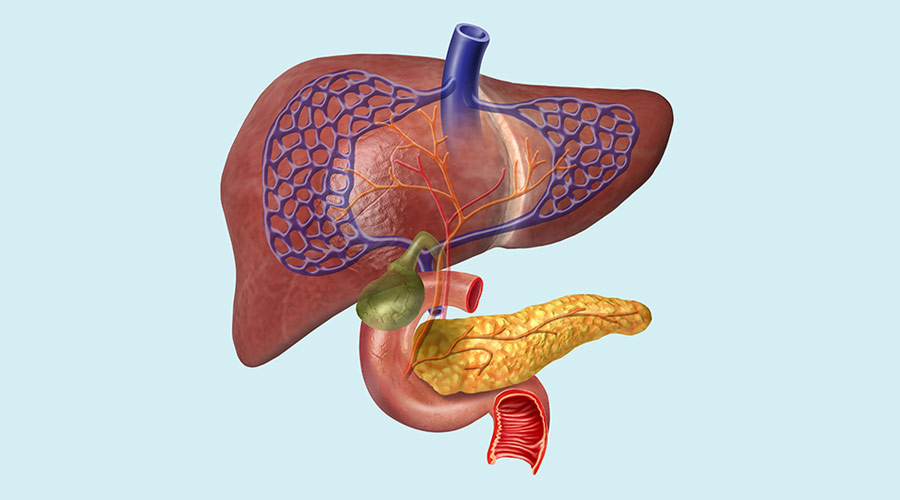
The liver and biliary system support digestion, maintain nutrient balance, and remove waste. When these organs do not function properly, the effects often develop gradually rather than suddenly. Many liver and biliary conditions can be managed with medical care when identified early. However, some disorders continue to progress despite treatment and may eventually require surgical intervention. Understanding when surgery becomes part of the care pathway helps patients approach treatment discussions with clarity.
This post explains common liver and biliary disorders, outlines how doctors assess the need for surgery, and describes the role of a liver and biliary surgery hospital in managing complex cases responsibly.
What Are The Liver and Biliary Systems?
The liver processes nutrients, filters toxins, and produces bile. The biliary system, which includes the gallbladder and bile ducts, carries bile into the intestine to aid digestion. Problems affecting this system can interfere with digestion and place strain on the liver. In many cases, symptoms remain mild initially. Over time, untreated or progressive conditions may disrupt normal function and require closer medical evaluation.
Liver Disorders That May Require Surgical Assessment
Liver disorders vary widely in cause and severity. Surgery is usually considered only after careful investigation and monitoring.
Chronic Liver Disease and Cirrhosis
Long-term liver damage can lead to scarring, known as cirrhosis. Early stages often respond to medication and lifestyle changes. When scarring advances and liver function declines, doctors reassess treatment options. Surgery is considered only after tests confirm a significant loss of function. Decisions depend on disease stage, overall health, and response to ongoing care.
Liver Tumours
Some liver tumours remain small and slow-growing. Others affect the surrounding tissue or blood flow. Imaging studies help determine tumour behaviour and extent. When non-surgical options offer limited benefit, surgery may be considered as part of a broader treatment plan. The evaluation focuses on preserving healthy liver tissue rather than on immediate intervention.
Structural and Blood Flow Conditions
Certain conditions alter liver structure or blood circulation. These issues may cause discomfort or abnormal test results over time. Surgery is not always the first step. Doctors usually recommend it only after confirming that structural correction would improve liver function or prevent future complications.
Biliary Disorders That May Lead to Surgery
Biliary conditions often present with digestive discomfort or recurrent symptoms. Many cases remain manageable without surgery.
Symptomatic Gallstones
Gallstones are common and often harmless. When they cause repeated pain, inflammation, or infection, doctors investigate further. Surgery may be suggested after confirming that symptoms relate directly to gallbladder dysfunction rather than temporary irritation.
Bile Duct Narrowing or Blockage
Blockages may develop due to stones, scarring, or growths. Blood tests and scans help identify bile flow problems. Doctors often attempt non-surgical approaches first. Surgery becomes relevant when obstruction persists or recurs.
Recurrent Biliary Infections
Repeated infections indicate underlying structural issues. Antibiotics may provide short-term relief, but evaluation aims to identify the root cause. Surgery is considered only after confirming that structural correction would reduce the risk of recurrence.
How do Doctors Decide Whether Surgery Is Needed?
Surgical decisions rely on diagnosis rather than symptoms alone. Doctors assess blood tests, imaging results, and clinical history together. Many patients undergo observation before any surgical discussion begins. This step helps distinguish temporary problems from progressive disease. A liver and biliary surgery hospital typically follows structured evaluation pathways to ensure surgery offers a clear benefit rather than unnecessary risk.
Role of Diagnosis Before Surgery
Diagnosis guides every treatment step. Imaging helps define anatomy and the extent of disease. Functional tests indicate how well the liver performs essential tasks. These findings help determine whether surgery is appropriate or whether continued monitoring remains safer. Emphasis remains on timing rather than urgency, especially for chronic conditions.
Understanding Surgical Goals
Surgery aims to address specific problems rather than deliver an immediate cure. In liver conditions, the focus stays on preserving remaining function. In biliary disorders, restoring bile flow or removing persistent sources of inflammation remains the goal. Outcomes vary depending on disease stage and overall health, which doctors explain during evaluation.
Conclusion
Liver and biliary disorders often develop over time and require careful evaluation before treatment decisions are made. While many conditions respond to medical management, surgery becomes relevant in selected cases after thorough diagnosis. Understanding this process helps patients engage in informed discussions without unnecessary concern. A liver and biliary surgery hospital functions within a broader care pathway that prioritises evaluation, timing, and patient safety.
When decisions follow a structured assessment rather than urgency, surgical intervention can better align with long-term health goals.