As organizations become more dependent on technology, the way IT services are delivered can make or break business performance. This is where IT Service Management (ITSM) comes into play. ITSM focuses on aligning IT services with business needs through structured processes, defined roles, and continual improvement. At the center of this approach is ITSM Software, which provides the tools needed to manage services effectively and consistently.
What Is ITSM?
IT Service Management is a strategic approach to designing, delivering, managing, and improving IT services. Rather than reacting to technical issues as they arise, ITSM emphasizes proactive planning, standardized workflows, and measurable outcomes. Frameworks such as ITIL have helped shape ITSM best practices, offering guidance on how IT teams can deliver value while managing risk and cost. An effective IT Service Management Platform, supported by modern ITSM Software, enables organizations to put these principles into practice in a structured and scalable way.
Key Features of ITSM Software
Modern ITSM Software typically includes a wide range of features designed to support core service management processes:
Incident and Request Management
These features ensure that user issues and service requests are logged, tracked, prioritized, and resolved efficiently. Automated routing and escalation help reduce resolution times and prevent bottlenecks.
Problem and Change Management
Problem management focuses on identifying root causes to prevent recurring incidents, while change management ensures that updates to systems are planned, approved, and implemented with minimal risk.
Asset and Configuration Management
Tracking hardware, software, and configuration items gives IT teams better visibility into their environment. This improves decision-making, compliance, and cost control.
Self-Service and Knowledge Management
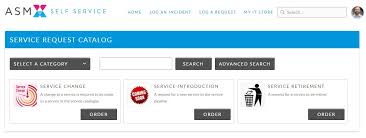
User-friendly portals and searchable knowledge bases empower users to solve common issues on their own, reducing ticket volumes and improving satisfaction.
Reporting and Analytics
Dashboards and reports provide insight into performance, trends, and service quality. These metrics are essential for continuous improvement and stakeholder communication.
Benefits of Implementing ITSM
The adoption of ITSM delivers both operational and strategic benefits. One of the most immediate advantages is improved service consistency. Standardized processes reduce variability and ensure that issues are handled the same way every time.
Efficiency is another major benefit. Automation and clear workflows allow IT teams to resolve issues faster while reducing manual effort. Over time, this leads to lower operational costs and better use of resources.
ITSM also improves transparency. With clear reporting and service metrics, leadership gains visibility into IT performance and value delivery. For an ITSM manager, this visibility supports better planning, stronger governance, and more informed decision-making.
Finally, ITSM enhances the end-user experience. Faster resolutions, self-service options, and clear communication build trust between IT and the rest of the organization.
Best Practices for Successful ITSM Adoption
Implementing ITSM is as much about people and processes as it is about technology. One best practice is to start small. Focus on a few high-impact processes—such as incident and request management—before expanding into more advanced areas.
Stakeholder engagement is critical. Involving users, IT staff, and leadership early helps ensure buy-in and realistic expectations. Training and clear communication also play a key role in adoption and long-term success.
Flexibility should not be overlooked. While ITIL provides valuable guidance, processes should be adapted to fit your organization’s culture and maturity level. Rigid implementations often fail to deliver value.
Choosing the right tool matters as well. A proven solution like Alemba, with a strong focus on service management principles, can support both current needs and future growth when implemented thoughtfully.
Conclusion
ITSM provides a structured, value-driven approach to managing IT services in an increasingly complex digital landscape. By leveraging the right ITSM Software, following best practices, and focusing on continuous improvement, organizations can transform IT from a reactive support function into a strategic partner. For every ITSM manager, understanding ITSM’s features and benefits is the first step toward delivering reliable, high-quality services that truly support the business.