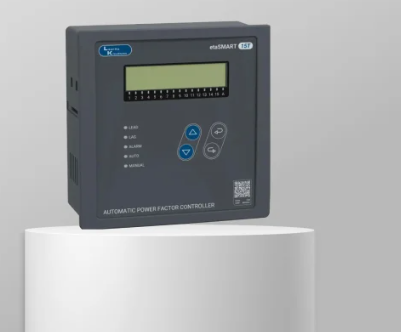
In today’s rapidly advancing industrial and commercial environments, efficient electrical control systems are the backbone of reliable operations. Whether in manufacturing facilities, commercial complexes, or automated infrastructures, modern control panels require intelligent components that can ensure performance, protection, and seamless functionality. One such indispensable component is the electronic relay, an innovation that has transformed electrical switching and control processes. Designed to deliver improved accuracy and enhanced safety, electronic relays are now widely used across various industries.
This comprehensive guide explores the working principles, types, advantages, and industrial applications of electronic relays, while also emphasizing the role of protective devices, such as the thermal overload relay, in maintaining system integrity.
What Is an Electronic Relay?
An electronic relay is an electrically operated switching device that controls one electrical circuit by using a low-power signal to manage another high-power circuit. Unlike traditional electromechanical relays, electronic relays use solid-state components such as transistors, diodes, and semiconductors. This gives them superior switching speed, longer operational life, and increased resistance to mechanical wear.
Electronic relays operate silently, do not rely on moving metal contacts, and offer much higher reliability—making them ideal for precision-based control panels in industries where accuracy and durability are paramount.
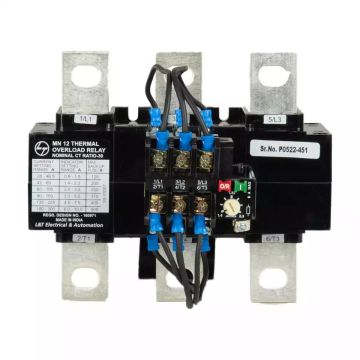
How an Electronic Relay Works
To understand the importance of an electronic relay, it helps to explore its basic working mechanism. The relay receives a small electrical input signal, which activates an internal semiconductor switch. This action enables or disables the flow of current in the main circuit, allowing the relay to control a larger power device such as a motor, heater, lighting system, or industrial machine.
Key characteristics of electronic relay functionality include:
- High-speed switching: Solid-state components enable instantaneous response.
- Electrical isolation: Ensures separation between the control and load circuits, improving safety.
- Low energy consumption: Requires minimal input power.
- Enhanced protection: Reduces risks of sparking, overheating, and mechanical failure.
With these benefits, electronic relays are now a preferred choice in automation systems, remote control devices, and electronic equipment requiring precise operation.
Types of Electronic Relay Systems
Electronic relay systems come in several variants, each designed for specific applications. Some of the most commonly used types include:
- Solid-State Relays (SSR)
Solid-state relays use semiconductor switching elements like thyristors or MOSFETs. They are fast, silent, and highly durable, making them ideal for repeated or continuous switching operations.
- Hybrid Relays
Hybrid relays combine the speed of solid-state components with the reliability of electromechanical contacts. They are used where both performance and strong power-handling capacity are required.
- Time Delay Relays
These relays allow circuits to switch on or off after a set delay. They are widely used in automation sequences, safety systems, and HVAC applications.
- Protection Relays
Protection relays monitor electrical parameters like current, voltage, and frequency. They disconnect equipment from the power supply when faults occur to prevent damage.
Each type plays a vital role in maintaining operational efficiency across industries, from transportation and power generation to building automation and manufacturing.
Benefits of Using Electronic Relays in Control Panels
The shift from traditional electromechanical relays to modern electronic relays has brought several advantages:
- Longer Lifespan
Since electronic relays have no mechanical parts, they reduce wear and tear, resulting in a significantly longer operational life.
- Faster Switching
High-speed switching is essential in advanced industrial processes, and electronic relays deliver microsecond response times.
- Improved Safety
By offering electrical isolation and eliminating sparks, electronic relays enhance overall system safety—particularly in hazardous industrial environments.
- Energy Efficiency
Low power consumption makes electronic relays well-suited for energy-sensitive applications and large-scale industrial installations.
- Compact Design
Their lightweight and compact nature allows for more efficient panel layouts, saving valuable space.
- Precision and Reliability
Electronic relays deliver highly accurate switching control, which is critical in automated processes requiring consistent performance.
These advantages contribute to their growing adoption across a wide spectrum of industries.
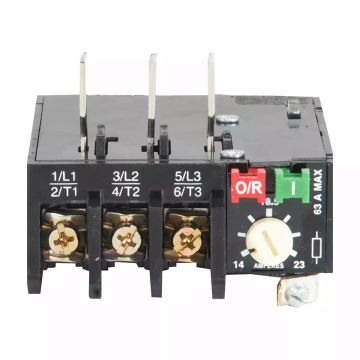
The Role of Thermal Overload Relays in Control Panels
While electronic relays ensure precise switching, protection is equally crucial in any electrical system. This is where the thermal overload relay plays an indispensable role.
A thermal overload relay is designed to protect motors and machinery from excessive current or overheating. It operates based on the principle of thermal expansion. When current flow exceeds safe limits, the relay heats a bimetallic strip, causing it to bend and trigger a trip mechanism that disconnects power.
Why Thermal Overload Relays Matter
- Protect motors from damage: Prevents overheating and potential burnout.
- Improves equipment lifespan: Avoids frequent repair and replacement costs.
- Ensures worker and system safety: Minimizes risks associated with electrical faults.
- Supports automation systems: Works seamlessly with contactors and electronic relays.
In modern control panels, electronic relays and thermal overload relays often work together to deliver both control and protection functions—ensuring the entire system operates smoothly and safely.
Common Applications of Electronic Relay Systems
Electronic relays are widespread in various industries due to their versatility and reliability. Some key applications include:
- Industrial Automation
Used to control machinery, conveyors, robotics, and automated processes requiring precise timing and switching.
- Power Distribution
Essential for managing electrical loads, switching circuits, and ensuring balanced power distribution.
- HVAC and Building Management Systems
Used in temperature control units, air handling systems, lighting automation, and smart building technologies.
- Motor Control Panels
Electronic relays are frequently paired with devices like contactors and thermal overload relays to manage industrial motors effectively.
- Safety and Monitoring Systems
Utilized in alarm systems, fire safety mechanisms, and voltage monitoring equipment.
- Renewable Energy Systems
Used in solar inverters, battery management, and smart energy distribution technologies.
In each of these applications, electronic relays contribute significantly to efficiency, precision, and long-term system protection.
Choosing the Right Electronic Relay System
Selecting the ideal relay for a control panel depends on several factors:
- Load type and power requirements
- Switching frequency
- Environmental conditions
- Safety standards and certifications
- Compatibility with existing equipment
- Cost and operational efficiency
Conducting a detailed assessment of the application helps ensure optimal performance, enhanced safety, and long-lasting reliability.
Conclusion
Electronic relay systems have become essential components in modern control panels, offering unmatched precision, speed, and reliability for a wide range of electrical and automation applications. When paired with protective devices such as the thermal overload relay, they ensure not only efficient control but also enhanced safety and equipment longevity.
For organizations seeking dependable electrical solutions and high-quality relay systems, Lauritz Knudsen Electrical and Automation remains a trusted name committed to excellence in electrical and automation technologies.