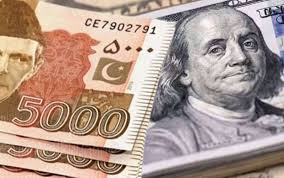
Currency Exchange Rates in Lahore Pakistan
Currency exchange rates play a vital role in the financial life of individuals, businesses, and institutions in Lahore. As one of Pakistan’s largest commercial and cultural hubs, Lahore experiences constant demand for foreign currencies due to trade, travel, education, healthcare, and overseas employment. The concept of currency exchange rates in Lahore Pakistan goes beyond simple buying and selling of foreign money; it reflects economic stability, market confidence, and global financial connections. Understanding how these rates work helps people make better financial decisions and manage international transactions effectively.
The Importance of Lahore in Pakistan’s Foreign Exchange Market
Lahore holds a strategic position in Pakistan’s economy due to its dense population, thriving business environment, and growing middle class. Many importers, exporters, students, and travelers rely on foreign currencies daily. This consistent demand makes Lahore an active foreign exchange market where rates fluctuate based on supply and demand. Exchange rates in the city often mirror national trends but can slightly vary depending on local market conditions, competition among exchange companies, and transaction volumes.
How Currency Exchange Rates Are Determined
Currency exchange rates in Lahore Pakistan are influenced by both domestic and international factors. Globally, changes in major currencies such as the US Dollar, Euro, and British Pound affect the Pakistani Rupee’s value. Locally, inflation, interest rates, trade balance, and foreign reserves play a critical role. When Pakistan receives higher remittances or export earnings, the availability of foreign currency improves, which can stabilize exchange rates. Conversely, increased imports or debt repayments can put pressure on the Rupee, leading to higher exchange rates for foreign currencies.
Role of Supply and Demand in Daily Rate Fluctuations
The daily movement of currency exchange rates in Lahore is largely driven by supply and demand dynamics. When demand for a particular currency increases due to travel seasons, international tuition payments, or import settlements, its rate rises against the Pakistani Rupee. Similarly, when foreign currency inflows increase through remittances or exports, exchange rates may ease. These fluctuations can happen multiple times a day, especially during periods of economic uncertainty or global financial volatility.
Exchange Companies and Banking Channels in Lahore
Lahore hosts a wide network of licensed exchange companies and commercial banks that provide foreign currency services. These institutions follow guidelines set by the State Bank of Pakistan while setting buying and selling rates. Although official interbank rates serve as a reference, open market rates in Lahore may differ slightly due to operational costs and market competition. Customers often compare rates across multiple providers to secure better value for their transactions.
Impact of Exchange Rates on Businesses in Lahore
Businesses in Lahore are directly affected by changes in currency exchange rates. Importers face higher costs when the Pakistani Rupee weakens, leading to increased prices for raw materials and finished goods. Exporters, on the other hand, may benefit from favorable exchange rates that make their products more competitive internationally. Small and medium enterprises, which form a large part of Lahore’s economy, closely monitor exchange rates to plan pricing strategies, manage cash flows, and negotiate contracts effectively.
Overseas Remittances and Their Influence on Lahore’s Market
A significant number of families in Lahore rely on remittances sent by relatives working abroad. These remittances contribute to the steady supply of foreign currency in the city’s exchange market. When remittance inflows increase, they can help stabilize currency exchange rates in Lahore Pakistan by strengthening the local currency. Seasonal trends, such as increased remittances during religious festivals or holidays, can temporarily influence exchange rates at the local level.
Travel, Education, and Medical Expenses Abroad
Lahore residents frequently require foreign currency for international travel, overseas education, and medical treatment abroad. Students enrolling in foreign universities need stable exchange rates to plan tuition and living expenses. Similarly, travelers and patients seek favorable rates to manage costs efficiently. Exchange rate volatility can significantly impact these plans, making awareness and timing important factors when converting currency.
Government Policies and Regulatory Oversight
The State Bank of Pakistan plays a crucial role in regulating currency exchange rates nationwide, including Lahore. Through monetary policy measures, interest rate decisions, and foreign exchange controls, the central bank aims to maintain economic stability. Regulatory oversight ensures transparency, prevents illegal trading, and protects consumers. Licensed exchange companies in Lahore must comply with these regulations, which helps build trust in the local foreign exchange market.
Influence of Global Economic Events
Global economic events have a direct impact on currency exchange rates in Lahore Pakistan. International oil prices, geopolitical tensions, interest rate changes by major economies, and global financial crises can all influence currency movements. Since Pakistan relies heavily on imports and foreign financing, global shocks often translate into exchange rate volatility at the local level. Lahore, being a major economic center, reflects these changes quickly through its exchange markets.
Digital Platforms and Real-Time Rate Access
Technology has transformed how people track and access currency exchange rates in Lahore. Online platforms, mobile applications, and financial news websites provide real-time updates, enabling users to make informed decisions. These tools also offer historical data and trend analysis, which are useful for businesses and individuals alike. Easy access to information has increased transparency and reduced reliance on informal or unverified sources.
Managing Exchange Rate Risks in Daily Life
For individuals and businesses in Lahore, managing exchange rate risk has become increasingly important. Those dealing with regular foreign currency transactions often plan conversions strategically to minimize losses. Some businesses use forward planning and pricing adjustments to counter exchange rate fluctuations. Even individuals sending or receiving money from abroad benefit from monitoring market trends to choose the right time for currency conversion.
Educational Value of Exchange Rate Awareness
Understanding currency exchange rates is essential for financial literacy. In Lahore, where international exposure is growing through education, trade, and employment, awareness of foreign exchange concepts helps people make smarter financial choices. Students, professionals, and entrepreneurs who understand exchange rate mechanisms are better equipped to navigate global markets and economic uncertainties.
Long-Term Outlook for Exchange Rates in Lahore
The future of currency exchange rates in Lahore Pakistan depends on broader economic reforms, export growth, investment inflows, and fiscal discipline. Strengthening economic fundamentals can help stabilize the Pakistani Rupee and reduce extreme fluctuations. As Lahore continues to expand as a business and educational hub, demand for foreign currency services will remain strong, making exchange rate awareness increasingly relevant for the city’s residents.
Conclusion: Exchange Rates as a Reflection of Economic Health
Currency exchange rates in Lahore Pakistan serve as a mirror of both local and global economic conditions. From household remittances to large-scale business transactions, exchange rates influence countless financial decisions every day. By understanding how these rates are determined and what factors drive their movement, individuals and businesses in Lahore can plan better, reduce risks, and adapt to economic changes with confidence. As global connectivity increases, exchange rate knowledge will remain an essential part of financial life in the city.