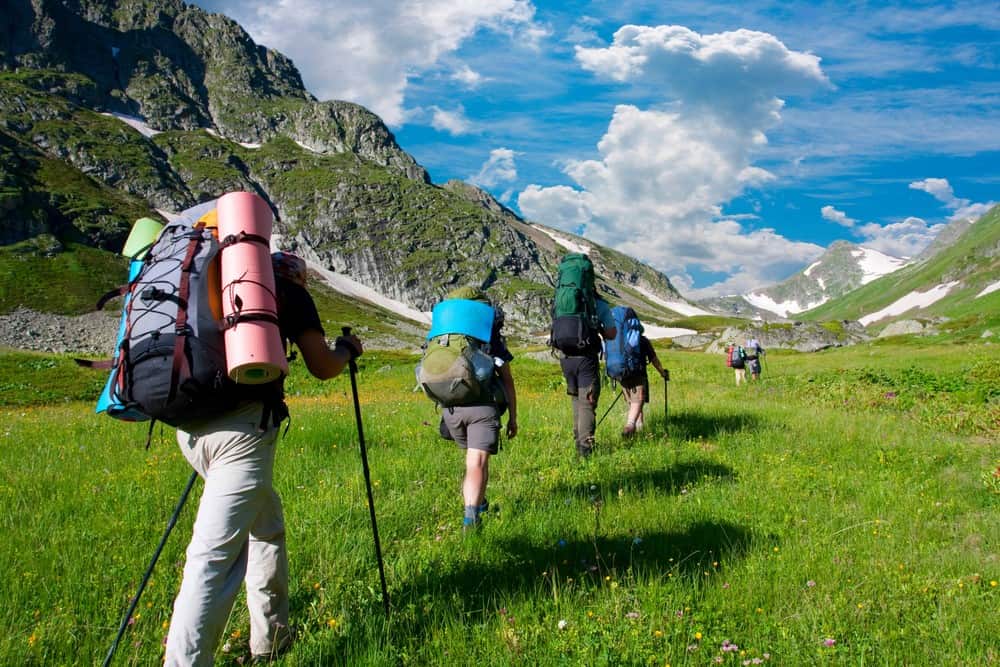
Uttarakhand, often called the “Land of Gods,” is one of India’s most spectacular trekking destinations. For adventure seekers, nature lovers, and spiritual travelers, Trekking in Uttarakhand is a journey into pristine landscapes, cultural richness, and spiritual serenity. Nestled in the lap of the Himalayas, it offers a diverse range of trails—from easy walks through alpine meadows to challenging expeditions across glaciers and high passes.
This article explores the highlights, famous treks, cultural impact, benefits, challenges, and future of trekking in Uttarakhand, helping travelers plan a memorable Himalayan adventure.
1. Why Trekking in Uttarakhand is Special
- Diverse Terrain: From lush valleys to snow-clad peaks.
- Spiritual Significance: Many treks lead to sacred shrines and temples.
- Biodiversity: Rich flora and fauna, including rare Himalayan species.
- Adventure Appeal: Trails for beginners and seasoned trekkers alike.
- Cultural Immersion: Interaction with local communities and traditions.
2. Famous Treks in Uttarakhand
Valley of Flowers Trek
- Location: Chamoli district, part of Nanda Devi Biosphere Reserve.
- Highlights: Blooming meadows of alpine flowers, UNESCO World Heritage Site.
- Experience: Ideal for families and nature lovers.
Roopkund Trek
- Location: Chamoli district.
- Highlights: Mysterious “Skeleton Lake” surrounded by snow peaks.
- Experience: Moderate to challenging trek, famous for its mystery and adventure.
Kedarkantha Trek
- Location: Govind National Park.
- Highlights: Snow-covered trails, panoramic summit views.
- Experience: Popular winter trek, suitable for beginners.
Har Ki Dun Trek
- Location: Garhwal Himalayas.
- Highlights: Valley shaped like a cradle, rich in legends of Mahabharata.
- Experience: A cultural and scenic trek through villages and forests.
Nag Tibba Trek
- Location: Near Mussoorie.
- Highlights: Short trek with views of Bandarpoonch and Kedarnath peaks.
- Experience: Perfect weekend trek for beginners.
Kuari Pass Trek
- Location: Garhwal Himalayas.
- Highlights: Views of Nanda Devi, Kamet, and Dronagiri peaks.
- Experience: Historic trek once explored by Lord Curzon.
Pindari Glacier Trek
- Location: Kumaon Himalayas.
- Highlights: Glacier at the foot of Nanda Devi and Nanda Kot.
- Experience: Moderate trek, suitable for families.
Dodital Trek
- Location: Uttarkashi district.
- Highlights: Crystal-clear lake surrounded by forests.
- Experience: A peaceful trek with mythological significance.
3. Cultural Impact of Trekking in Uttarakhand
Trekking in Uttarakhand is not just about adventure—it’s deeply cultural:
- Sacred Trails: Routes to Kedarnath, Hemkund Sahib, and Gangotri.
- Local Communities: Interaction with Garhwali and Kumaoni villagers.
- Festivals: Treks often coincide with local fairs and rituals.
- Legends: Many trails are linked to epics like the Mahabharata and Ramayana.
4. Activities Along Trekking Routes
- Camping: Nights under starry skies in alpine meadows.
- Birdwatching: Himalayan monal, snow partridge, and other species.
- Photography: Snow peaks, glaciers, and cultural landscapes.
- Village Walks: Exploring traditional Himalayan lifestyles.
- Spiritual Visits: Temples and shrines along trekking routes.
5. Benefits of Trekking in Uttarakhand
Physical Fitness
- Trekking improves endurance and strength.
Mental Refreshment
- Nature and adventure reduce stress.
Cultural Learning
- Interaction with locals enriches understanding of traditions.
Family Bonding
- Easy treks like Valley of Flowers and Dodital are family-friendly.
6. Best Time for Trekking in Uttarakhand
- Summer (April–June): Pleasant weather, ideal for most treks.
- Monsoon (July–September): Valley of Flowers blooms, but landslides may occur.
- Autumn (September–November): Clear skies, perfect for trekking and photography.
- Winter (December–February): Snow treks like Kedarkantha and Nag Tibba.
7. Challenges in Trekking Tourism
- Overcrowding: Popular treks face tourist pressure.
- Infrastructure Issues: Need for better facilities and safety measures.
- Environmental Concerns: Waste management and preservation of fragile ecosystems.
- Accessibility: Remote treks require permits and logistical planning.
8. Sustainable Trekking Practices
To ensure long-term success, sustainable practices are essential:
- Promote eco-friendly accommodations and transport.
- Limit plastic use and encourage biodegradable materials.
- Support local artisans and communities.
- Educate trekkers about responsible behavior.
- Preserve heritage sites and natural ecosystems.
9. Government Initiatives
The Uttarakhand government has launched several programs to promote trekking:
- Eco-Tourism Projects: Focused on sustainable practices.
- Adventure Festivals: Promoting trekking, rafting, and mountaineering.
- Infrastructure Development: Improved roads, campsites, and safety facilities.
- Digital Campaigns: Highlighting Uttarakhand as a global trekking destination.
10. Future of Trekking in Uttarakhand
The future of trekking tourism in Uttarakhand looks promising:
- Global Outreach: Attracting international adventure seekers.
- Smart Infrastructure: Use of apps, e-ticketing, and AI for crowd management.
- Luxury Adventure Tourism: Growth of premium camps and guided expeditions.
- Eco-Tourism: Greater focus on sustainability and conservation.
- Cultural Diplomacy: Promoting Uttarakhand as a symbol of India’s Himalayan heritage.
11. Conclusion
Trekking in Uttarakhand is more than an adventure—it is a journey into the Himalayas’ natural and cultural heritage. From the Valley of Flowers’ blooming meadows to Roopkund’s mysterious lake, from Kedarkantha’s snowy trails to Har Ki Dun’s mythological valleys, Uttarakhand offers travelers a chance to connect with nature, spirituality, and tradition.
Whether you seek family fun, solo exploration, or cultural immersion, trekking in Uttarakhand promises unforgettable experiences. It is not just a journey across landscapes but a journey into devotion, biodiversity, and the soul of the Himalayas.