Respiratory health is one of the most critical aspects of overall well-being. Our lungs are constantly working to supply oxygen to every cell in our body, and any disruption in lung function can significantly affect daily life. Finding the best pulmonology hospital in guwahati is essential for individuals who need specialized care for lung-related conditions, from asthma and chronic bronchitis to more severe illnesses like tuberculosis and lung cancer. Access to high-quality pulmonology services ensures proper diagnosis, effective treatment, and long-term health management.
In this article, we will explore the importance of pulmonology, common lung problems, available treatment options, and the essential features that make a hospital the best choice for lung health care. By the end, you will understand how to select a hospital that offers comprehensive, patient-centered care.
Understanding Pulmonology and Its Importance
Pulmonology, also known as respiratory medicine, is a branch of medicine that focuses on the health of the lungs and the respiratory system. The respiratory system includes the lungs, airways, and respiratory muscles, all of which work together to ensure the body gets enough oxygen while removing carbon dioxide.
A pulmonologist is a doctor who specializes in diagnosing and treating lung conditions. These specialists are trained to manage both acute respiratory problems, such as infections or asthma attacks, and chronic conditions, such as chronic obstructive pulmonary disease (COPD) or interstitial lung disease.
Good pulmonology care is essential because lung problems can affect the entire body. Poor lung function can lead to fatigue, reduced immunity, heart problems, and decreased quality of life. Early diagnosis and treatment of lung conditions are critical to preventing complications and improving long-term health outcomes.
Common Lung Conditions Treated in Pulmonology
A top pulmonology hospital in Guwahati offers treatment for a wide range of lung-related issues. Some of the most common conditions include:
1. Asthma
Asthma is a chronic condition that inflames and narrows the airways, causing wheezing, shortness of breath, and coughing. It can be triggered by allergens, pollution, or respiratory infections. Pulmonologists provide medications, inhalers, and lifestyle guidance to help patients control their symptoms and prevent asthma attacks.
2. Chronic Obstructive Pulmonary Disease (COPD)
COPD is a group of progressive lung diseases, including emphysema and chronic bronchitis, which make breathing difficult. This condition is often caused by smoking or long-term exposure to pollutants. Effective treatment requires specialized care, including medications, pulmonary rehabilitation, and oxygen therapy.
3. Pneumonia and Respiratory Infections
Respiratory infections, such as pneumonia and bronchitis, can range from mild to life-threatening. Hospitals specializing in pulmonology are equipped to provide advanced diagnostic tests, antibiotics, and respiratory support to treat infections effectively.
4. Tuberculosis (TB)
Tuberculosis is a serious bacterial infection that primarily affects the lungs. Early detection and proper medication are essential to prevent the disease from spreading and causing severe health complications. Pulmonology specialists are trained to diagnose and treat TB using modern diagnostic tools and personalized treatment plans.
5. Sleep Apnea and Sleep-Related Breathing Disorders
Sleep apnea is a condition in which breathing repeatedly stops and starts during sleep. It can cause daytime fatigue, heart problems, and other complications. Pulmonology hospitals often provide sleep studies and treatments, such as CPAP therapy, to improve sleep quality and overall health.
6. Lung Cancer
Early detection and treatment of lung cancer are critical for survival. Pulmonology hospitals collaborate with oncology specialists to provide comprehensive care, including diagnostic imaging, biopsies, and personalized treatment plans like chemotherapy, radiation therapy, and surgery.
Diagnostic Services at a Pulmonology Hospital
Accurate diagnosis is the first step toward effective treatment of lung conditions. The best pulmonology hospital in Guwahati offers a wide range of diagnostic services to identify and monitor lung problems. Some common diagnostic tests include:
- Pulmonary Function Tests (PFTs): Measures how well the lungs are working, including airflow and oxygen levels.
- Chest X-Rays: Helps identify infections, tumors, or structural abnormalities in the lungs.
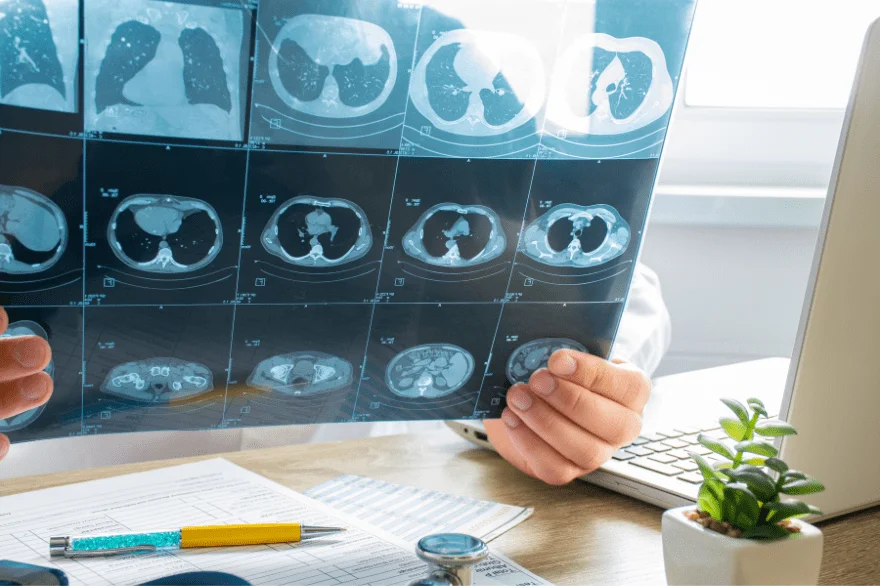
- CT Scan of the Chest: Provides a detailed view of the lungs and surrounding tissues, useful for detecting early-stage diseases.
- Bronchoscopy: A minimally invasive procedure that allows doctors to examine the airways and take tissue samples if needed.
- Sleep Studies: Monitors breathing patterns during sleep to diagnose conditions like sleep apnea.
- Blood Tests and Sputum Tests: Helps detect infections, inflammation, or other lung-related issues.
These advanced diagnostic facilities ensure that patients receive accurate evaluations, which form the basis for personalized treatment plans.
Treatment Approaches in Pulmonology
Treatment at a top pulmonology hospital is tailored to the individual patient. Depending on the condition, treatment may include medications, therapies, lifestyle interventions, or surgical procedures.
1. Medications
Medications are a primary treatment for many lung conditions. These can include:
- Bronchodilators to open the airways
- Anti-inflammatory drugs to reduce swelling
- Antibiotics or antiviral drugs for infections
- Chemotherapy for lung cancer
2. Oxygen Therapy
Patients with chronic lung diseases may require supplemental oxygen to maintain proper oxygen levels in the body. Modern pulmonology hospitals offer advanced oxygen therapy systems that can be used at home or in the hospital.
3. Pulmonary Rehabilitation
Pulmonary rehabilitation is a program designed to improve lung function and quality of life for patients with chronic respiratory diseases. It includes exercise training, breathing techniques, nutritional counseling, and psychological support.
4. Surgical Interventions
For certain conditions like severe lung infections, tumors, or lung damage, surgery may be necessary. Pulmonology hospitals often work with thoracic surgeons to perform procedures such as lung resection, lobectomy, or minimally invasive bronchoscopic surgery.
5. Lifestyle and Preventive Care
Pulmonologists also guide patients on lifestyle changes to improve lung health. This includes quitting smoking, avoiding environmental pollutants, exercising regularly, and following a healthy diet. Preventive care, including vaccinations for flu and pneumonia, is also an essential part of maintaining lung health.
Features of the Best Pulmonology Hospital
When searching for the best pulmonology hospital in Guwahati, there are several features and facilities you should consider to ensure you receive high-quality care:
1. Experienced Pulmonologists
A hospital with highly skilled and experienced pulmonologists ensures accurate diagnosis and effective treatment of all lung conditions. Specialists with extensive experience can handle both routine and complex cases.
2. Comprehensive Diagnostic Facilities
Advanced diagnostic tools like CT scans, pulmonary function tests, and bronchoscopy are essential for identifying lung problems accurately. Hospitals with modern equipment provide faster and more reliable results.
3. Multidisciplinary Care
Lung health often requires collaboration between different specialists, such as thoracic surgeons, oncologists, and physiotherapists. Hospitals that offer a multidisciplinary approach provide comprehensive treatment for complex conditions.
4. Patient-Centered Care
The best hospitals prioritize patient comfort, safety, and well-being. This includes clear communication, individualized treatment plans, and support for patients and their families throughout the treatment process.
5. Advanced Treatment Options
Top pulmonology hospitals offer the latest treatment options, including minimally invasive surgeries, personalized medications, and innovative therapies. Access to cutting-edge technology can significantly improve treatment outcomes.
6. Emergency and Critical Care
Respiratory emergencies, such as severe asthma attacks or pneumonia complications, require immediate attention. A top hospital provides round-the-clock emergency services and critical care facilities.
7. Education and Awareness
Hospitals that focus on patient education help individuals understand their conditions, treatment options, and preventive measures. Awareness programs on lung health can reduce the risk of future respiratory problems.
Importance of Early Diagnosis and Treatment
Early diagnosis is crucial in managing lung diseases effectively. Many lung conditions, such as COPD and lung cancer, progress slowly and may not show symptoms until advanced stages. Regular check-ups, timely screenings, and attention to early warning signs like persistent cough, shortness of breath, or chest pain can prevent serious complications.
Seeking care at a specialized pulmonology hospital ensures that patients receive timely interventions and follow-up care, improving long-term outcomes and overall quality of life.
Preventive Measures for Healthy Lungs
Maintaining lung health requires more than medical care; lifestyle choices and preventive measures play a key role. Some effective strategies include:
- Avoiding smoking and secondhand smoke
- Reducing exposure to air pollution and industrial chemicals
- Practicing regular physical activity to strengthen respiratory muscles
- Maintaining a balanced diet rich in antioxidants
- Getting vaccinated against flu, pneumonia, and other respiratory infections
- Practicing good hygiene to prevent infections
Hospitals with strong preventive programs and patient education initiatives can guide individuals to adopt these habits for better lung health.
Conclusion
Lung health is vital for overall well-being, and access to specialized care can make a significant difference in managing respiratory conditions. The best pulmonologist in guwahati provides comprehensive services, from advanced diagnostics and personalized treatments to rehabilitation and preventive care. Patients benefit from highly skilled pulmonologists, modern facilities, multidisciplinary care, and a patient-focused approach.
For residents of Guwahati seeking top-quality lung health services, Dispur Polyclinic and Hospitals Pvt Ltd stands out as a reliable choice. With its commitment to excellence, advanced technology, and compassionate care, it ensures that every patient receives the attention and treatment needed to maintain healthy lungs and a better quality of life.