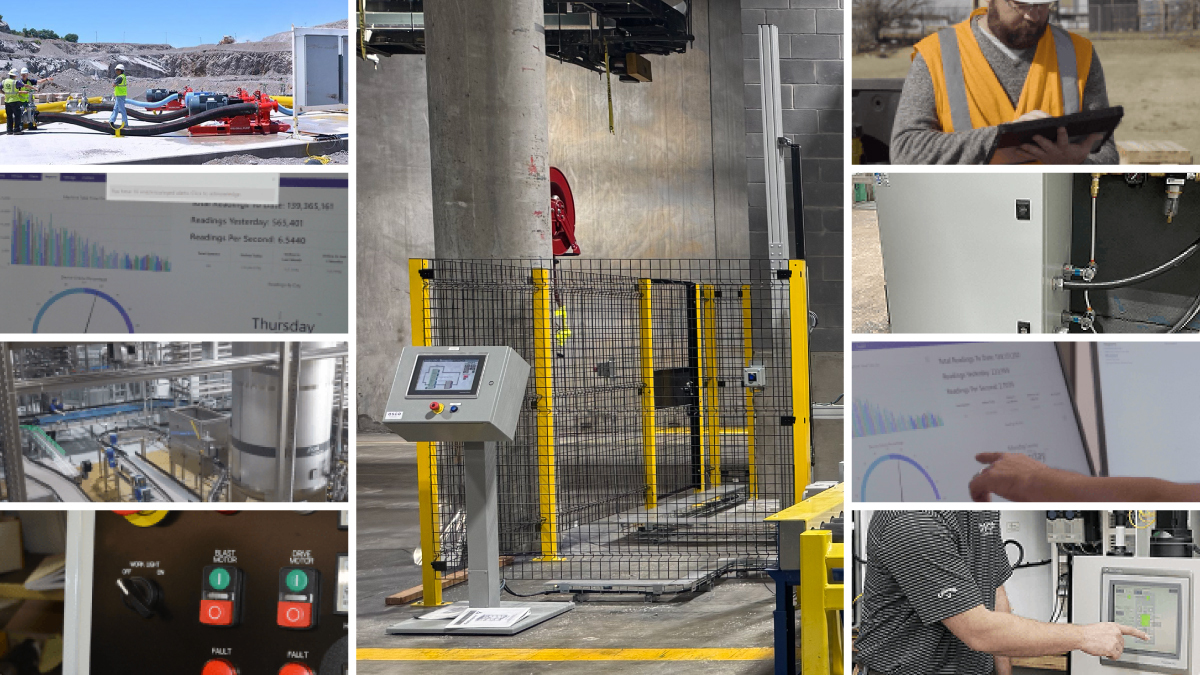
Protection & control system engineering plays a critical role in ensuring the safe, reliable, and uninterrupted operation of electrical power systems. As power networks become more complex with the integration of renewable energy, automation, and digital technologies, the demand for advanced protection and control solutions continues to grow. These systems are designed to detect faults, isolate affected sections, and maintain stability across substations, transmission lines, and industrial facilities. Modern engineering approaches focus not only on fault protection but also on intelligent monitoring, fast decision-making, and seamless coordination between system components.
Intelligent Fault Detection and Rapid Response
One of the most important features of advanced protection & control system engineering is intelligent fault detection. Modern protection systems use sophisticated algorithms that can quickly identify abnormal conditions such as short circuits, overloads, or voltage fluctuations. Unlike traditional systems that relied heavily on fixed thresholds, advanced solutions analyze real-time data to distinguish between temporary disturbances and serious faults. This intelligence allows the system to respond within milliseconds, minimizing equipment damage and reducing the risk of widespread outages. Faster response times also enhance personnel safety and help utilities maintain service reliability.
Seamless Integration with Digital Substations
Digital substations have transformed how power systems are monitored and controlled, and protection & control system engineering is at the heart of this transformation. Advanced systems are designed to integrate smoothly with digital communication protocols, intelligent electronic devices, and centralized control platforms. This integration enables high-speed data exchange between relays, sensors, and control centers. Engineers can access detailed system information remotely, making it easier to diagnose issues, perform maintenance, and optimize performance. The result is a more flexible and efficient power infrastructure that supports future expansion.
Enhanced System Reliability and Redundancy
Reliability is a key objective in protection & control system engineering, especially in critical applications such as utilities, oil and gas facilities, and large industrial plants. Advanced systems are engineered with built-in redundancy to ensure continuous operation even if a component fails. Dual protection schemes, backup communication paths, and fail-safe logic all contribute to higher system availability. By reducing single points of failure, these systems help organizations avoid costly downtime and maintain consistent power delivery under challenging conditions.
Advanced Monitoring and Data Analytics
Modern protection & control systems go beyond basic protection functions by offering advanced monitoring and data analytics capabilities. Continuous data collection from various points in the network allows engineers to track system performance, identify trends, and detect potential issues before they become serious problems. This predictive approach supports condition-based maintenance, reducing the need for unnecessary inspections and extending the lifespan of equipment. Data-driven insights also help operators make informed decisions that improve overall system efficiency and resilience.
Cybersecurity and System Integrity
As power systems become more connected, cybersecurity has become a vital aspect of protection & control system engineering. Advanced systems are designed with strong security measures to protect against unauthorized access, data breaches, and cyberattacks. Secure communication protocols sharepoint consulting sydney, user authentication, and system monitoring tools help safeguard critical infrastructure. Maintaining system integrity is essential not only for operational reliability but also for regulatory compliance and public safety. Engineers must carefully balance connectivity and security to ensure robust and trustworthy system performance.
Flexible Design and Scalability
Another key feature of advanced protection & control system engineering is flexibility in design. Modern systems are built to adapt to changing operational requirements, whether it involves expanding a substation, integrating renewable energy sources, or upgrading existing equipment. Scalable architectures allow new devices and functions to be added without major system overhauls. This flexibility reduces long-term costs and ensures that protection and control solutions remain effective as power networks evolve.
Compliance with International Standards and Best Practices
Advanced protection & control systems are engineered in accordance with international standards and industry best practices. Compliance ensures interoperability between equipment from different manufacturers and supports consistent performance across various applications. Standards-based design also simplifies testing, commissioning, and future upgrades. By following recognized guidelines, engineers can deliver solutions that meet both technical and regulatory requirements while maintaining high levels of safety and reliability.
Keentel Engineering’s Approach to Advanced Protection & Control Systems
At Keentel Engineering, protection & control system engineering is approached with a strong focus on precision, reliability, and real-world performance. The team combines deep technical expertise with practical industry experience to deliver tailored solutions for utilities, industrial facilities, and infrastructure projects. By emphasizing intelligent design, seamless integration, and long-term system reliability, Keentel Engineering helps clients build power systems that are safe, efficient, and future-ready. Their commitment to quality engineering and customer-focused solutions ensures that every protection and control system is designed to perform confidently under demanding conditions.