Colored hair can be a stunning form of self-expression, but maintaining it requires more care than untreated hair. From vibrant reds to soft pastels, dyed strands are prone to damage, dryness, and fading if not cared for properly. Many people unintentionally make mistakes that reduce the longevity and health of their hair. Understanding these common pitfalls can help you enjoy your color longer while keeping your hair strong and shiny.
Over-Washing Your Hair
One of the most frequent mistakes is washing colored hair too often. Shampooing strips hair of its natural oils, which are essential for moisture and shine. Colored hair is particularly vulnerable because the dye process weakens the hair shaft. Washing every day or even every other day can accelerate fading and make hair look dull.
To preserve your color, opt for washing your hair 2–3 times per week and use a sulfate-free shampoo designed specifically for color-treated hair. Many people also make the mistake of using hot water, which can open the hair cuticle and wash out pigments faster. Lukewarm water is gentler and helps maintain vibrancy.
If you’re unsure about which products are best, a natural hair stylist near me can provide personalized recommendations and techniques tailored to your hair type and color. They can suggest professional-grade shampoos, conditioners, and treatments that protect your hair from damage while keeping the color vivid.
Skipping Conditioner or Using the Wrong One
Conditioning is crucial for colored hair, yet some people either skip it or use generic conditioners that don’t address the specific needs of dyed hair. Coloring can strip the hair of protein and moisture, leaving it brittle and prone to breakage. A conditioner designed for colored hair helps restore hydration, smooth the cuticle, and lock in color.
Deep conditioning treatments or masks should also be incorporated at least once a week. Look for products with ingredients like keratin, argan oil, or shea butter, which help repair and nourish damaged strands. Avoid heavy oils that can weigh hair down, especially for fine textures.
Overuse of Heat Styling Tools
Heat styling tools like straighteners, curling irons, and blow dryers can quickly damage colored hair. Excessive heat causes moisture loss, increases porosity, and can accelerate color fading. Many people unknowingly apply heat to hair that hasn’t been properly protected, which compounds the problem.
Always use a heat protectant spray or serum before styling and try to limit the frequency of heat styling. Air-drying when possible and embracing natural textures can significantly improve hair health over time.
Neglecting Regular Trims
Split ends are more noticeable and problematic in colored hair because damage travels up the hair shaft. Some people delay trims to keep length, but trimming every 6–8 weeks prevents split ends from spreading and maintains the overall look of healthy hair. Colored hair may require slightly more frequent trims if the dye process has weakened the strands.
Using Harsh Chemicals
Many styling products contain alcohol or sulfates, which are particularly harsh on colored hair. These chemicals can strip color, dry out the hair, and lead to breakage. It’s essential to read product labels carefully and choose gentle, color-safe alternatives. This includes avoiding clarifying shampoos unless necessary and limiting exposure to chlorinated water in swimming pools.
Not Protecting Hair from the Sun
UV rays are not just harmful to skin—they can also fade hair color and weaken the hair shaft. People often overlook sun protection, leaving their dyed hair exposed during outdoor activities. Wearing hats, using UV-protective hair sprays, or applying leave-in conditioners with SPF can help prevent color from fading and maintain hair strength.
Overlapping Dye Applications
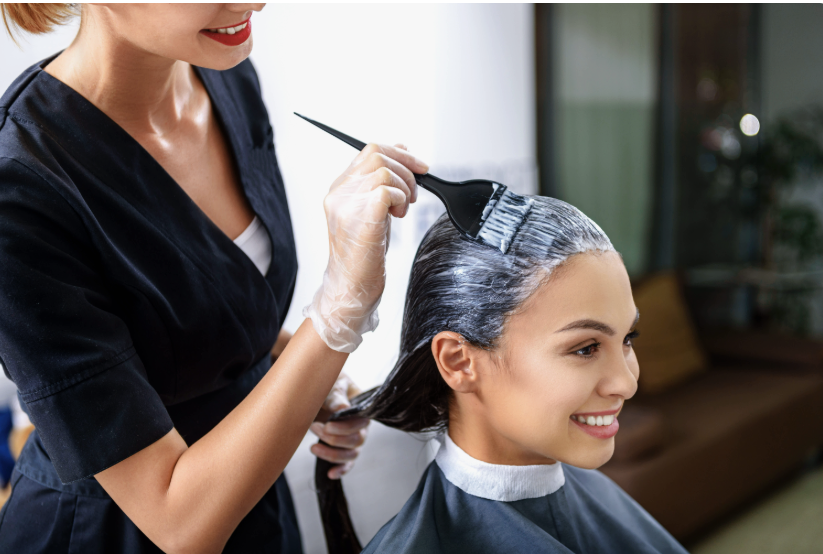
Re-dyeing roots without properly treating the rest of the hair is a common error. Overlapping color on previously dyed sections can cause uneven pigmentation and increase hair damage. Professional colorists recommend techniques like root touch-ups or careful sectioning to ensure even results while minimizing stress on the hair.
DIY color treatments are particularly risky because home kits often contain high levels of ammonia or peroxide. For those unsure about technique, consulting a professional stylist ensures the hair remains vibrant and healthy.
Ignoring Scalp Health
Healthy hair starts with a healthy scalp. Many people focus solely on the strands while neglecting scalp care, which can lead to dryness, irritation, or slower growth. Massaging the scalp increases blood circulation and nourishes hair follicles. Regular scalp treatments or gentle massages help maintain hair health from the root.
Incorporating practices like a scalp massage for hair growth a few times a week can stimulate follicles, reduce tension, and improve overall hair quality. Combining scalp care with a balanced diet rich in vitamins and proteins enhances the results and ensures that colored hair remains strong and resilient.
Overlooking Overnight Care
Sleeping on rough fabrics or without protective measures can cause friction, breakage, and color fading. Many people overlook this aspect of hair care. Using a silk or satin pillowcase, or loosely braiding hair before bed, reduces tangling and helps maintain the color and shine.
Relying Too Heavily on Touch-Ups
Some people think frequent touch-ups will maintain color indefinitely, but over-processing leads to cumulative damage. Extending the time between dye applications and using color-safe products in between helps preserve the vibrancy without compromising hair health.
Conclusion
Caring for colored hair requires more than occasional maintenance. Avoiding common mistakes like over-washing, neglecting conditioning, excessive heat styling, and improper scalp care is key to keeping hair vibrant, strong, and healthy. Paying attention to the specific needs of dyed strands, protecting hair from environmental stressors, and seeking professional guidance when necessary ensures long-lasting color and minimal damage.
By adopting these habits and consulting experts when needed, you can enjoy your colored hair with confidence and radiance. Proper care not only enhances aesthetics but also supports the overall health and resilience of your hair for years to come.