Quality sleep is not simply a matter of comfort. It is a biological process governed by neurological activity, hormonal regulation, and environmental stability. Among all external disruptors, noise remains one of the most underestimated threats to restorative sleep. Modern lifestyles expose individuals to traffic sounds, household disturbances, and unpredictable nighttime noise that fragment sleep cycles. In sleep science discussions, the role of earplugs for sleeping is often highlighted as a practical intervention that supports the brain’s natural ability to enter and maintain deep, restorative sleep without pharmaceutical assistance.
Understanding How Noise Disrupts Sleep Physiology
Sleep occurs in structured stages, including light sleep, deep slow-wave sleep, and rapid eye movement sleep. Each stage serves a distinct neurological function, from physical restoration to memory consolidation. Noise interrupts this architecture by triggering micro arousals, brief awakenings that may not be consciously remembered but still disrupt brain rhythms. Even low-level or intermittent sounds can activate the sympathetic nervous system, increasing heart rate and cortisol production. Over time, repeated noise exposure can reduce sleep efficiency and impair daytime cognitive performance.
The Neurological Role of Sound Reduction
The human auditory system remains partially active during sleep as an evolutionary safeguard. While this responsiveness once helped detect danger, it now makes urban environments particularly challenging for rest. Sound attenuation reduces sensory input to the auditory cortex, lowering the likelihood of involuntary arousal. Research indicates that consistent noise reduction supports longer durations of deep sleep, improved REM continuity, and more stable circadian rhythms. This is where earplugs for sleeping play a significant role by creating a controlled auditory environment that allows the brain to disengage more fully during rest.
Sleep Quality, Hormones, and Recovery
Disrupted sleep affects more than alertness. Growth hormone release, immune regulation, and glucose metabolism all depend on uninterrupted sleep cycles. Noise-induced awakenings suppress slow-wave sleep, which is critical for physical recovery and tissue repair. By reducing nighttime sound exposure, individuals may experience improved morning alertness, better mood regulation, and enhanced long-term cardiovascular health. Sound control strategies are therefore increasingly recommended alongside sleep hygiene practices such as light management and temperature regulation.
Material Science and Design Considerations
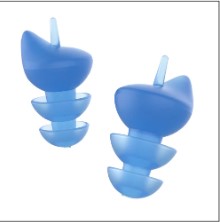
Not all noise reduction solutions perform equally. Effective sleep-focused ear protection balances sound attenuation with pressure distribution. Excessive blockage can cause discomfort or amplify internal sounds such as breathing, while insufficient attenuation fails to prevent awakenings. Advances in polymer science and ergonomic design have led to products engineered specifically for nighttime use, focusing on flexibility, airflow, and anatomical compatibility. These developments have influenced how sleep specialists evaluate the best earplugs for sleeping based on individual sensitivity and sleeping position.
Psychological Benefits of Consistent Quiet
Beyond physiological effects, predictable quiet contributes to psychological relaxation. Anticipating noise can increase sleep onset latency, as the brain remains alert in expectation of disturbance. Establishing a consistent auditory environment helps reduce cognitive hyperarousal, making it easier to fall asleep and remain asleep. This sense of control over the sleep environment often leads to improved sleep confidence and reduced anxiety associated with bedtime.
Integrating Sound Control Into Sleep Hygiene
Noise reduction is most effective when combined with broader sleep hygiene practices. Maintaining regular sleep schedules, limiting evening screen exposure, and optimising bedroom conditions all work synergistically with sound management. When used correctly, ear protection can become part of a long-term strategy rather than a temporary fix. Consistency is key, as the brain adapts over time to stable sensory conditions.
Conclusion
Scientific evidence increasingly supports sound management as a foundational component of sleep health. Reducing nighttime auditory stimulation protects sleep architecture, supports hormonal balance, and enhances overall recovery. When thoughtfully selected and properly used, comfortable earplugs for sleep can serve as a non-invasive, effective tool for achieving deeper, more restorative rest in noisy environments.