Fractures in the hand can completely alter one’s life in mere seconds. Even the simplest activities, such as holding a mug or typing, seem impossible to accomplish. Many individuals believe the difficult part of the bone’s healing phase is complete, but the truth occurs once the cast has been removed. Stiff joints, loss of grasp strength, and the fear of moving the affected area may handicap the user’s hand well past the expected period.
This is when expert therapy for hands becomes critical. With proper care, you can recover your function, strength, and confidence with safe and steady progress. This guide leads you through how hand therapy after fracture works in recovering.
Let’s see the way targeted care will benefit your hand to function properly as it should.
Why Hand Therapy Matters After a Fracture
Hand fractures do more than break bones. They affect soft tissue, nerves, balance and fine movement. Even a small break can disrupt complex tasks.
Hand therapy offers structured support at every stage of healing. It helps reduce pain, restore motion and prevent long-term loss of function.
What Makes Hand Therapy “Specialised”?
Specialized hand therapy uses:
- Care based on how the hand works in real life
- Tools and techniques made for small joints
- Plans that match your fracture pattern and daily needs
This form of therapy blends medical skill with practical problem-solving. It aims to return your hand to safe use without delay.
How a Fracture Affects the Hand’s Movement
Every fracture triggers swelling and stiffness. This can limit movement even after the bone has healed. Many patients feel stuck when the cast comes off, not knowing how to move the hand without pain.
Common Post-Fracture Problems
- Weak grip
- Swollen fingers
- Tight scar tissue
- Slow or uneven movement
These issues can hold back daily life, which is why early support matters.
The Stages of Hand Therapy After a Fracture
Recovery is not a straight line. Therapy moves in clear phases that support the bone while helping the rest of the hand stay active.
Phase 1: Protection and Early Motion
In the first few weeks during the recovery process, the central idea revolves around making appropriate use of controlled movements that do not result in any further stress to the bone.
At this stage in the healing process, some patients may be recommended to carry out finger bends in addition to stretching in a manner that is controlled so that patients can maintain mobility without putting any stress on their bones.
Phase 2: Restoring Motion and Ease
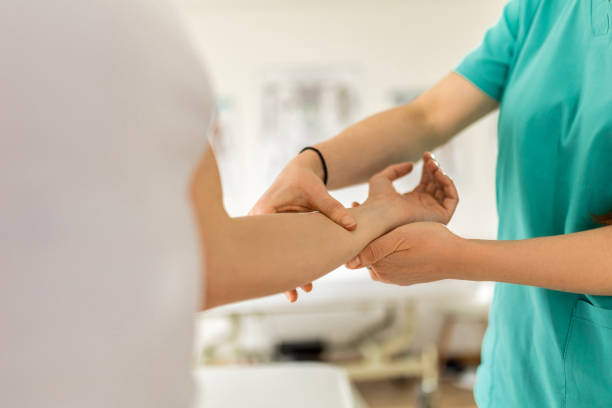
As the bone stabilizes, the aim of rehabilitation becomes the mobilization and functional improvement of the hand. The therapists use simple, hands-on techniques to better facilitate smooth, comfortable gliding of the joints.
This phase may include the preparation of tissues by appropriate warm-up routines, reduction of tightness via soft tissue work, and specific stretches to gradually increase the flexibility..
Phase 3: Strength and Control
Weeks of minimal exercise following a break mean strength needs to come back at a gradual rate to prevent injury or complications from improper healing.
Hand therapy after fracture helps assist so strength can come back in a way that does not put detrimental stress upon the healing bone. That typically means a series of tools such as resistance cords, putty or grips, or simple actions such as pinch or light pick ups.
Phase 4: Return to Daily Tasks
In this phase, your therapist works with you on rebuilding your ability to control and rely on your hand and wrist in your own and professional matters.
This will include exercises with common household items, learning proper ways to grasp, type, or lift, and developing routines based on your hobbies or sports activities.
With this therapy, your hand will be ready to deal with demands while keeping your safety in mind, making your hand and wrist strong and ready to face demands.
How Specialized Hand Therapy Supports Long-Term Recovery
Many people assume therapy ends when the bone heals. Yet long-term support matters. The hand needs guidance to relearn control and avoid repeat injury.
Why Long-Term Care Helps
- Keeps joints flexible
- Protects against stiffness
- Helps rebuild confidence
A therapist also checks that you use the hand in a safe way to prevent new strain.
Key Techniques Used in Therapy for Hands
Specialised hand therapy draws on a range of tools. Each one has a purpose in improving comfort and function.
Manual Therapy
Gentle hands-on work helps improve the way joints and tissues glide. This reduces stiffness and eases movement.
Exercise Therapy
Simple moves done often are the backbone of hand rehab. Exercises aim to improve strength, control and endurance.
Scar Management
After surgery or a deep fracture, scar tissue can restrict movement. Massage and guided stretch help the tissue stay soft Microsoft Dynamics 365 experts.
Splinting Support
Some fractures need custom splints. These protect the hand while allowing safe movement of other joints.
What to Expect at Your First Hand Therapy Session
Your first session sets the base for all future progress.
What the Therapist Reviews
- Type and location of your fracture
- Movement in each finger and the wrist
- Your goals, lifestyle and concerns
You receive a clear plan with simple actions you can start at once.
Simple Home Practices That Support Recovery
Therapy is most effective when paired with daily habits.
Three Helpful Habits
- Warm the hand before exercises to improve comfort.
- Move little and often rather than forcing big motions.
- Rest when swollen to avoid irritation.
These habits keep the hand responsive and safe.
How to Know if Your Hand Therapy Is Working
Healing can feel different for everyone, but there are clear signs that indicate healthy progress. Gradual improvement in movement from week to week, reduced swelling, and a steadier grip all suggest that recovery is on track.
As daily tasks begin to feel easier, it shows that strength and control are returning naturally. If progress slows at any point, your therapist can adjust the treatment plan to better match your needs and keep your recovery moving forward safely.
The Role of Mindset in Hand Recovery
Recovery from a broken hand can be as much in one’s mindset as in their exercises. Many people are left feeling uncertain once they remove the cast from the hand.
Role of a Healthy Attitude in Progress
- Decreases the fear of movement, allowing joints to move effectively
- Increases commitment to exercise routines
- Engages trust in your hand’s ability to recover
- Reduces stress, which can alleviate tension and pain
Conclusion
Therapy for hands, following the fracture, provides the support many patients need once the cast comes off. By exercise and practice, the hand can regain its strength and function once more. Each therapy phase builds on the last, and simple steps help the hand to move the right way.
Following the guidance and practice, the everyday tasks become easier, and strength returns to the patient in the right way. It helps as therapy provides the structure needed to help the patient move on. Your hand will heal with the right support and support.
FAQs
What is the duration of hand therapy treatment after a fracture?
It takes six to eight weeks to see good improvements in most cases. This may vary due to various factors, including age and demands. Early treatment can bring faster improvements.
Is hand therapy painful?
Pain should not occur in therapy. Some pulling is normal. A therapist alters his/her movement in order for it to feel secure and stable.
Can I perform hand therapy at home?
Yes. Homework is very important. The therapist will give you simple exercises that you do yourself daily. This is most beneficial. The instructions are brief, gentle, and very easy to do.
Why is my hand stiff after removing the cast?
Rigidity increases when joints remain static for a period of weeks. Hand therapy is used to reduce rigidity and improve movement of tissues.