Throughout history, textiles have served as storytellers, cultural archives, and artistic masterpieces. Today, a tapestry maker continues that legacy by blending traditional craftsmanship with modern innovation. Their work keeps ancient weaving techniques alive while introducing new generations to the beauty and meaning behind woven art. As interest in heritage décor, handmade goods, and tapestry custom creations grows, the role of skilled artisans becomes even more significant. Understanding the craft behind a tapestry maker helps us appreciate not only the final artwork but also the deeper cultural narratives embedded within every thread.
The Cultural Significance of Handwoven Tapestries
Tapestries are more than decorative items—they reflect history, community, and identity.
Storytelling Through Textiles
For centuries, woven pieces were used to document battles, religious events, royal families, and everyday life.
Why This Matters Today
A tapestry maker ensures these stories remain visible by studying motifs, color symbolism, and weaving traditions that define specific cultures.
Preserving Traditional Weaving Techniques
Many ancient weaving methods are at risk of disappearing as mass production becomes more common.
Techniques Passed Down Through Generations
Traditional looms, hand-dyeing methods, and regional weaving patterns require years of learning.
Keeping the Craft Alive
A dedicated tapestry maker serves as a guardian of these rare skills, ensuring they remain a living, practiced art form rather than a forgotten chapter in history.
The Blend of Art and Technical Skill
Creating a tapestry requires artistic vision as well as technical precision.
Designing Complex Patterns
The maker must visualize how colors, textures, and threads interact when woven together.
More Than Surface Decoration
This is where artistry meets engineering: a tapestry maker must master tension control, fiber selection, and loom techniques to produce a durable and visually striking piece.
Custom Tapestries Reflect Modern Artistic Expression
Even with deep historical roots, tapestries continue to evolve.
Personalized Artwork for Contemporary Spaces
Many clients request custom tapestries to reflect personal stories, modern themes, or specific interior designs.
A Dialogue Between Past and Present
The maker incorporates traditional methods while creating designs suited for modern homes, galleries, and public installations.
Tapestry Makers as Cultural Archivists
Beyond weaving, artisans play a crucial role in safeguarding cultural identity.
Researching Historical Motifs and Materials
A tapestry maker studies:
- Regional weaving styles
- Ancient dye recipes
- Sacred geometric patterns
- Tribal motifs
Reconstructing Lost or Damaged Works
By restoring old textiles or recreating them through tapestry custom commissions, makers revive cultural heritage that might otherwise be lost.
Sustainability and Ethical Craftsmanship
In an era of mass-produced goods, handmade textiles offer an eco-conscious alternative.
Natural Fibers and Eco-Friendly Dyes
Tapestry makers often use:
- Wool
- Cotton
- Linen
- Plant-based dyes
Low-Waste Production
The slow, intentional process ensures minimal waste, making handmade tapestries a sustainable choice that respects both heritage and the environment.
The Role of Tapestries in Architecture and Interior Design
Tapestries serve functional and decorative purposes.
Acoustic and Insulation Benefits
Historically, tapestries were used in castles and estates to:
- Reduce echo
- Retain warmth
- Add color to stone walls
Modern Applications
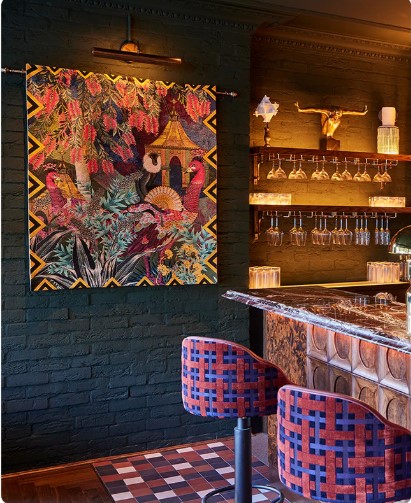
Today, designers incorporate woven art to bring texture, warmth, and cultural depth to spaces. A tapestry maker creates pieces that act as focal points in both traditional and contemporary designs.
Conclusion
A tapestry maker is far more than a textile artist—they are a cultural guardian, a storyteller, and a skilled craftsperson who keeps centuries-old traditions alive. Through preservation of ancient techniques, creation of tapestry custom work, and adaptation to contemporary design needs, these artisans continue shaping the future of textile art. Their dedication ensures that the beauty, symbolism, and craftsmanship of woven textiles remain appreciated in modern spaces. For anyone exploring heritage décor, pairing handcrafted pieces with a floral tapestry can create a meaningful and visually rich connection between past and present.