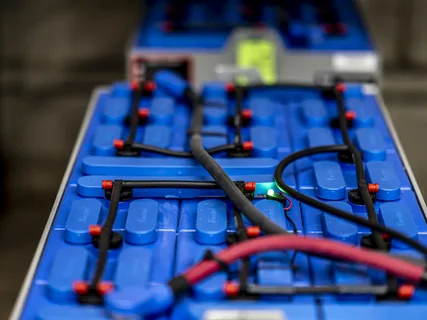
In today’s world, batteries power nearly everything – from mobile phones and laptops to electric vehicles and renewable energy storage systems. However, with the increasing dependency on batteries, their disposal and the environmental impacts of improper management have become major concerns. Battery recycling is not just a crucial step in managing waste; it is an important solution to preserving our planet. At National Battery Supply, we understand the significance of battery recycling services and the role they play in reducing environmental harm. In this article, we will explore why battery recycling is important and how it benefits the environment, focusing on various types of batteries like rack mounted lithium batteries and their recycling processes.
1. Understanding the Environmental Impact of Batteries
Batteries contain a mix of chemicals and heavy metals that are essential for their functionality. However, when discarded improperly, these materials can pose significant risks to both the environment and human health. For example, lead-acid batteries, commonly used in vehicles, contain lead and sulfuric acid, which can contaminate soil and water if not disposed of properly. Similarly, rack mounted lithium batteries, which are widely used in solar energy storage and backup systems, contain lithium, cobalt, and other materials that can be toxic if leaked into the environment.
When these batteries end up in landfills, they can leach dangerous substances into the ground, leading to long-term environmental damage. Additionally, improper disposal leads to the loss of valuable resources that could be recycled and reused, contributing to unnecessary resource depletion.
2. The Importance of Battery Recycling Services
Battery recycling is a solution to the growing problem of waste management and environmental protection. Recycling allows us to safely recover valuable materials like lead, lithium, and cobalt, which can be used in the production of new batteries or other essential products. Here’s why battery recycling services are so important:
Reducing Toxic Waste: By recycling batteries, hazardous chemicals and heavy metals are kept out of landfills and the environment. This helps prevent soil and water contamination, reducing the toxic footprint of discarded batteries.
Conserving Resources: Recycling helps conserve natural resources by recovering precious materials used in battery production. For example, cobalt and lithium are critical components of lithium-ion batteries, and their supply is limited. Recycling helps mitigate the need for mining new raw materials, which can be destructive to ecosystems.
Lowering Carbon Footprint: Producing new batteries from virgin materials consumes a significant amount of energy and contributes to greenhouse gas emissions. Recycling existing batteries requires less energy, thus reducing the overall carbon footprint associated with battery production.
Supporting Circular Economy: Battery recycling is an essential part of the circular economy, where materials are reused and repurposed rather than discarded. By recycling batteries, we create a sustainable lifecycle for these devices and reduce the need for new raw materials.
At National Battery Supply, we are committed to providing comprehensive battery recycling services to ensure that batteries are disposed of responsibly, and their materials are reused to benefit future generations.
3. How Battery Recycling Works
Battery recycling involves several key steps to ensure that the materials inside the battery are properly recovered and reused. Here’s a breakdown of how the process works:
Collection: Used batteries are collected from various sources, such as households, businesses, and industrial facilities. It is essential to store these batteries safely to prevent leakage or short-circuiting during collection.
Sorting: Once collected, the batteries are sorted based on their type – lead-acid, lithium-ion, alkaline, and others. Different batteries require different recycling methods, as the materials inside them vary.
Shredding and Separation: The sorted batteries are shredded into smaller pieces to make it easier to separate the valuable metals and chemicals. The shredded materials undergo a series of mechanical and chemical processes to recover materials like lithium, cobalt, nickel, and lead.
Purification and Refining: The recovered materials are then purified and refined to remove impurities. These materials can then be used in the production of new batteries, electronics, or other products, thus extending their lifecycle.
Safe Disposal: Any non-recyclable components or hazardous materials that cannot be reused are safely disposed of through regulated methods, ensuring that they do not harm the environment.
By utilizing battery recycling services, individuals and businesses play a crucial role in reducing the environmental impact of batteries. Whether you are disposing of a household battery or a large rack mounted lithium battery from an industrial application, proper recycling ensures that these materials are managed responsibly.
4. The Role of Rack Mounted Lithium Batteries in Sustainable Energy
As renewable energy becomes more prevalent, rack mounted lithium batteries are increasingly being used in energy storage systems. These batteries are essential for storing solar energy, wind energy, and electricity from the grid, enabling a steady supply of power even when the sun isn’t shining or the wind isn’t blowing.
While these batteries offer many advantages in terms of efficiency and storage capacity, they also pose specific challenges in terms of recycling. The lithium, cobalt, and nickel found in these batteries are valuable materials that can be recycled to reduce the need for new mining operations. However, recycling lithium-ion batteries requires specialized processes to handle the chemicals involved safely.
Proper recycling of rack mounted lithium batteries is essential for creating a sustainable energy ecosystem. By ensuring that these batteries are recycled, we help mitigate the environmental impact of mining for raw materials and reduce the carbon footprint associated with battery production.
5. Benefits of Battery Recycling for the Environment
The environmental benefits of battery recycling cannot be overstated. Here are some key advantages:
Reduction of Landfill Waste: Recycling batteries prevents them from ending up in landfills, reducing the overall waste burden and preserving land for other uses.
Protection of Wildlife and Ecosystems: By keeping harmful chemicals and heavy metals out of landfills, we reduce the risk of contamination that could harm wildlife and disrupt ecosystems.
Energy Conservation: Recycling batteries requires less energy compared to producing new ones from raw materials, which helps conserve energy resources and lower overall energy consumption.
Sustainable Development: Recycling supports sustainable development by reducing the need for resource extraction and ensuring that valuable materials are reused, contributing to the long-term health of the planet.
6. How National Battery Supply is Leading the Way
At National Battery Supply, we are dedicated to providing top-tier battery recycling services to help both consumers and businesses manage their battery waste. We offer convenient collection points for used batteries, including rack mounted lithium batteries, and ensure that the materials are recycled in an environmentally responsible manner.
Our services contribute to a cleaner, more sustainable future by helping reduce the environmental impact of battery disposal. Whether you need to dispose of small household batteries or large-scale industrial batteries, we provide solutions that are both safe and environmentally friendly.
Conclusion
Battery recycling is a critical practice in the fight against environmental degradation. By responsibly recycling batteries, including rack mounted lithium batteries, we can conserve natural resources, reduce harmful waste, and mitigate the negative effects of battery production on the environment. National Battery Supply is proud to offer industry-leading battery recycling services that contribute to a cleaner and more sustainable future. By choosing to recycle your batteries, you are playing an important role in protecting the planet and ensuring that valuable materials are reused for future generations.