For many homeowners, the familiar hum of bees is a quintessential daytime sound. It signifies a healthy garden and a thriving ecosystem right outside the window. However, as dusk falls and human activity quiets, a different chapter in the life of a hive begins. Observing nocturnal bee behavior presents a fascinating, lesser-known aspect of apian life. This knowledge is not merely academic curiosity for the interested naturalist.
Understanding what bees do after sunset is crucial for effective home and property management. It directly informs safer, more intelligent interactions with these essential pollinators. Misconceptions about nighttime activity can lead to unnecessary fear or improper reactive measures. This comprehensive guide illuminates the realities of bees in the dark. We will separate myth from fact, explore which species are truly active, and discuss prudent homeowner responses. Ultimately, this insight fosters a more informed and harmonious coexistence with nature’s indispensable workers.
The Fundamental Diurnal Nature of Most Bees
It is vital to first establish a foundational ecological truth. The overwhelming majority of bee species are strictly diurnal creatures. This means their active period is confined entirely to daylight hours. They rely profoundly on sunlight for navigation, foraging, and general activity. Their compound eyes are exquisitely adapted for bright, visual flight. As daylight fades, so does their ability to see and function effectively. Therefore, most bees return to their hive or nest well before full darkness. Inside, they engage in crucial hive maintenance activities throughout the night.
They process nectar into honey and tend to the developing brood. They also work to regulate the internal hive temperature with remarkable precision. A quiet, dormant hive at night is typically a sign of a healthy, normal colony. Consequently, significant activity at a hive entrance after dark is unusual. It often indicates a specific stressor or a disturbance to the colony. Recognizing this baseline normalcy is the first step for any homeowner.
Identifying Night the True Flyers
While most bees sleep, notable exceptions exist within the insect world. Certain specialized species have indeed evolved for nocturnal life. The most prominent examples are tropical bees like the Indian Carpenter Bee. Some species of sweat bees are also known to forage in very low light. However, these true nocturnal bees are exceedingly rare in most residential settings. They are not typically the species nesting in home siding or garden sheds. A more common source of nighttime “bee” confusion is actually the humble moth. Many moths are expert mimics, displaying yellow and black striped patterns. They also hover near flowers, further confusing casual nighttime observers. Furthermore, wasps and hornets can occasionally be drawn to lights after dark. This is especially true for certain species during their reproductive phase. Correctly identifying the insect is therefore an absolute nighttime imperative. Assuming every flying insect is a hostile bee leads to misguided anxiety. Proper identification prevents unnecessary alarm and informs the correct response.
Common Triggers for Unusual Nighttime Hive Activity
Observing genuine bee activity around a hive after dark warrants attention. This deviation from standard behavior usually has a clear, identifiable cause. Artificial lighting is a primary and common disruptor of normal bee rhythms. A bright security light or porch lamp positioned near a hive entrance can confuse workers. It can trick them into believing it is still daytime, triggering flight. These disoriented bees often cluster and fly clumsily around the light source. Extreme daytime heat can also lead to noticeable nighttime hive activity.
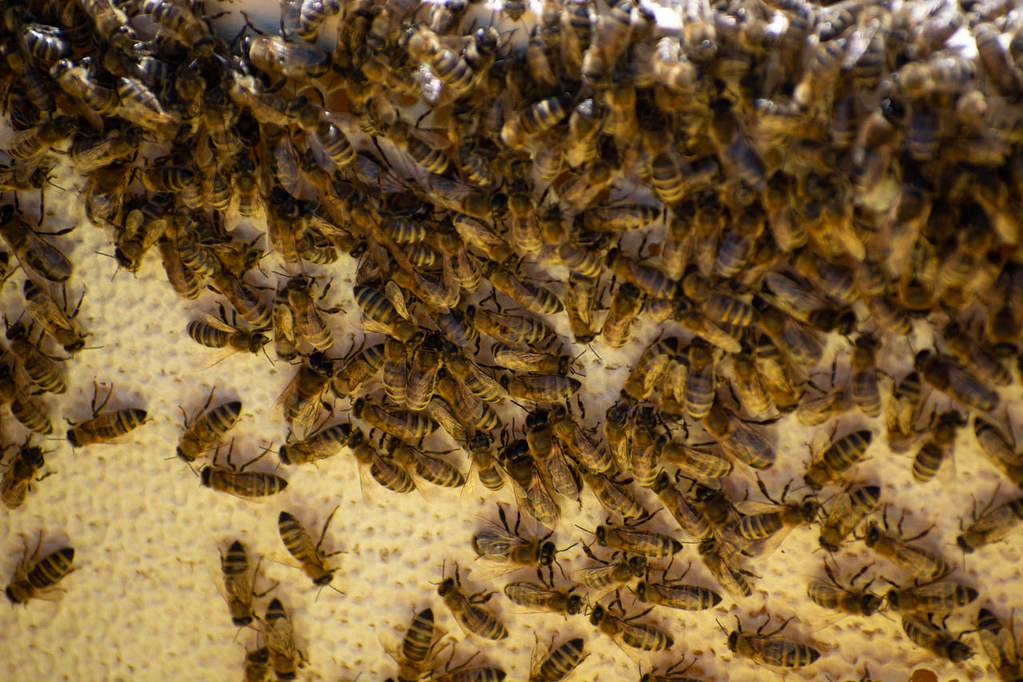
Bees may engage in “bearding,” where they congregate outside the entrance. This behavior helps regulate internal hive temperature and humidity levels. A recent, significant disturbance to the hive can cause prolonged nighttime agitation. This could include vibrations from construction or an attempted predator attack. Finally, a colony preparing to swarm may exhibit restlessness at all hours. Recognizing these triggers helps assess the situation’s true seriousness.
Appropriate Homeowner Response to Nocturnal Activity
Discovering unusual bee activity at night requires a calm and strategic response. The foremost rule is to avoid any interaction with the insects after dark. Never attempt to seal a hive entrance or spray insecticides during nighttime hours. Agitated bees are highly defensive and pose a greater risk of stinging. Instead, minimize all sources of disturbance near the suspected hive location. Turn off any exterior lights that may be confusing and attracting the bees. Ensure all windows and doors in the vicinity are securely closed. Observe the colony’s behavior from the safety of indoors if possible. Document whether the activity persists into the following daylight hours.
This information is invaluable for professional assessment later. If the hive is in a problematic location, such as inside a wall, professional help is essential. For residents dealing with a complex or established infestation, contacting a bee removal service in laguna hills provides a safe, expert solution. These professionals can diagnose the cause of unusual activity accurately. They also possess the proper equipment for safe after-dark assessment if absolutely necessary.
Promoting Safe Coexistence Through Understanding
Knowledge of nocturnal bee behavior ultimately empowers responsible homeowners. It replaces fear with a fact-based understanding of these critical insects. This understanding encourages proactive measures to prevent unwanted nesting. Home maintenance, like sealing cracks in soffits and walls, is highly effective. It also guides humane, effective responses when a colony does establish itself nearby. Furthermore, this awareness highlights the importance of thoughtful exterior lighting. Choosing motion-sensor lights or warmer, less attractive wavelengths can help. These small changes minimize ecological disruption to all nocturnal pollinators. The goal is a balanced coexistence where both humans and bees thrive safely. Respecting their diurnal nature while understanding rare exceptions is key. This approach ensures our shared environments remain healthy and harmonious for all species involved. The night, then, can return to its natural quiet, undisturbed by unnecessary conflict.
The world of bees largely sleeps when we do, but exceptions demand our informed attention. The key for homeowners is observation, correct identification, and prudent action. By understanding the triggers for rare nighttime activity, we can respond appropriately. This protects both our households and the vital bee populations around us. Professional expertise remains the safest path for resolving significant or dangerous infestations. Through education and mindful practices, we secure a safer environment for everyone. Our homes and gardens can peacefully coexist with the essential rhythms of the natural world. This harmonious balance is the ultimate goal of every informed homeowner.