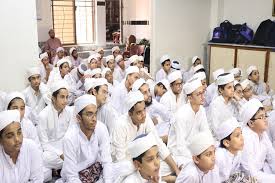
Islamic Schools in Lahore
Lahore, one of Pakistan’s oldest and most culturally rich cities, is home to a diverse educational landscape that reflects both traditional values and modern academic needs. Among the many types of schools serving families in the city, Islamic schools hold a special place. These institutions blend formal education with Islamic teachings, nurturing students spiritually, morally, and intellectually. In a society where religion plays a central role in everyday life, Islamic schools provide an environment where academic excellence and religious values coalesce. This synergy makes them an appealing choice for many parents who wish their children to grow up with strong moral grounding while receiving quality education.
Islamic schools in Lahore serve as vital institutions where academic success and spiritual formation go hand in hand. By creating environments that nurture intellectual curiosity, moral integrity, and community engagement, these schools prepare students for meaningful lives both within and beyond the classroom. The holistic education offered by Islamic schools continues to attract families who value faith-centered learning, making these institutions integral to the city’s educational landscape. As Lahore continues to grow, Islamic schools remain steadfast in their mission to cultivate knowledgeable, compassionate, and principled future generations.
Balancing Religious and Academic Learning
One of the defining features of Islamic schools in Lahore is their dual focus on religious and secular subjects. Unlike conventional schools that may offer religious education as a limited component of the curriculum, Islamic schools integrate Islamic studies into the core educational experience. Students study the Quran, Hadith (sayings of the Prophet Muhammad), Fiqh (Islamic jurisprudence), and Seerah (Prophetic biography) alongside mathematics, science, languages, and social studies. This balanced approach aims to produce well-rounded learners who excel academically and embody Islamic principles in their character and conduct. By encouraging both intellectual growth and spiritual development, these schools help students navigate life’s challenges with confidence and faith.
Historical Roots and Cultural Significance
The concept of Islamic schooling in Lahore is not new. Historically, the region has been a center for Islamic scholarship, with madrasas and learning centers dating back centuries. Over time, these traditional institutions evolved to meet contemporary educational needs, giving rise to structured Islamic schools that align with national academic standards while preserving religious teachings. Lahore’s long history as an educational hub contributes to the strong reputation of its Islamic schools. Parents often choose these institutions not only for their curriculum but also for the cultural and spiritual continuity they offer.
Curriculum Designed for Holistic Development
Islamic schools in Lahore are known for their thoughtfully designed curricula that reflect a commitment to comprehensive education. The academic component typically follows the national syllabus set by educational authorities, ensuring students are prepared for board exams and future academic pursuits. In parallel, the religious syllabus is carefully structured to introduce students to Islamic knowledge in a progressive manner. Younger children begin with foundational concepts such as basic Quranic recitation and simple Islamic etiquette, while older students engage in deeper studies of fiqh, tafseer (Quranic interpretation), and Arabic grammar to strengthen their understanding of religious texts. This layered approach supports both intellectual and spiritual growth, enabling students to succeed in secular and religious spheres.
Character Building and Moral Education
Character building is central to the mission of Islamic schools in Lahore. These institutions emphasize the development of virtues such as honesty, respect, patience, and compassion. Daily routines often include prayers, Quranic recitation, and moral discussions that encourage students to reflect on ethical behavior and personal responsibility. Teachers serve not only as academic instructors but also as role models who reinforce positive conduct and spiritual values. In a world where young people face a range of social pressures, this focus on moral education helps students cultivate resilience, empathy, and a sense of purpose grounded in Islamic teachings.
Teaching Methods and Learning Environment
Islamic schools in Lahore strive to create a supportive and inclusive learning environment. Classrooms are often designed to encourage active participation, critical thinking, and collaborative learning. Teachers use a variety of methods—lectures, group discussions, interactive lessons, and multimedia resources—to make learning engaging and meaningful. In religious studies, instruction is supplemented with memorization practices, recitation sessions, and reflective exercises to deepen students’ connection with the Quran and Hadith. The learning environment nurtures respect for knowledge and curiosity, reinforcing the belief that seeking education is an act of worship in Islam.
Role of Arabic Language in Education
Arabic holds a significant place in Islamic education since it is the language of the Quran and many Islamic texts. Many Islamic schools in Lahore place special emphasis on teaching Arabic as a core subject. Proficiency in Arabic enhances students’ ability to understand religious texts more authentically and participate more fully in religious practices. In addition to formal language lessons, students may engage in reading and recitation activities that build fluency over time. This linguistic focus not only strengthens religious comprehension but also opens doors to broader academic opportunities in Islamic studies and other disciplines.
Community and Parental Engagement
Islamic schools in Lahore often foster strong relationships with families and communities. Parents are viewed as partners in their children’s education, and schools encourage active communication and collaboration. Parent-teacher meetings, community events, and school gatherings provide opportunities for families to engage with teachers and administrators. This sense of collective responsibility reinforces shared values and creates a supportive network for students. Many families appreciate the sense of community that Islamic schools cultivate, as it extends beyond the classroom and contributes to social cohesion.
Extra-Curricular Activities and Personal Growth
While academic and religious learning are central, Islamic schools in Lahore also recognize the importance of extracurricular activities for holistic development. Schools may offer sports, arts, public speaking clubs, and community service opportunities that allow students to explore interests beyond the classroom. These activities help students build confidence, teamwork skills, and social awareness. For example, community service initiatives enable students to practice compassion and charity—core Islamic values—while contributing positively to society. Such experiences complement academic learning and prepare students for well-rounded futures.
Preparing Students for Higher Education and Careers
Islamic schools in Lahore emphasize not only foundational education but also preparation for higher studies and future careers. Students are encouraged to pursue excellence in secular subjects that are prerequisites for university education. Teachers provide guidance on exam preparation, study skills, and academic planning. Many graduates of Islamic schools go on to attend reputable universities in Pakistan and abroad, entering fields such as medicine, engineering, business, education, and Islamic scholarship. The ability to navigate both secular and religious knowledge equips students with a competitive edge in diverse professional environments.
Inclusivity and Diversity in Islamic Schools
While Islamic schools are grounded in religious teachings, many are inclusive and welcoming to students from various cultural and socioeconomic backgrounds. These institutions strive to create an environment where differences are respected and mutual understanding is encouraged. By fostering inclusivity, Islamic schools help students develop a broader perspective and a deep appreciation for diversity within the framework of shared values. This approach supports harmonious relationships and cultural sensitivity, preparing students to contribute positively to a pluralistic society.
Challenges and Opportunities in Contemporary Education
Islamic schools in Lahore, like educational institutions everywhere, face challenges such as keeping pace with technological advancements, resource limitations, and meeting the evolving needs of students. However, these challenges also present opportunities for innovation. Many schools are integrating technology into classrooms through digital learning tools, online resources, and adaptive teaching methods. Collaborations with educational organizations and teacher training programs help raise instructional quality and expand opportunities for students. By embracing innovation while staying true to their mission, Islamic schools continue to play a dynamic role in Lahore’s educational ecosystem.
The Future of Islamic Education in Lahore
The future of Islamic education in Lahore appears promising as the city’s population increasingly recognizes the value of institutions that nurture both faith and learning. Parents who desire a balanced education for their children view Islamic schools as places where academic excellence and spiritual growth coexist. With ongoing improvements in curriculum design, teacher training, and learning resources, these schools are well positioned to meet the demands of tomorrow’s learners. As students graduate with confidence, competence, and strong ethical grounding, Islamic schools contribute to the development of responsible and capable citizens.