When it comes to automotive repair, maintaining a vehicle’s windshield is critical for both safety and functionality. For professionals in the auto glass repair industry, understanding windshield repair resin is essential. This specialized substance not only restores damaged glass but also helps maintain safety standards that protect drivers and passengers alike. Knowing how to select, apply, and utilize these resins effectively can elevate repair quality and customer satisfaction.
The Science Behind Windshield Repair Resins
Windshield repair resins are high-performance adhesives designed to fill cracks, chips, and other minor damages in auto glass. Typically composed of polymer-based compounds, these resins penetrate even the tiniest fissures. Once exposed to UV light, the resin hardens, bonding firmly with the glass. This process restores structural integrity, prevents cracks from spreading, and ensures clear visibility for drivers.
Benefits of Using Windshield Repair Resin
-
Cost-Effectiveness: Repairing a damaged windshield with resin is significantly cheaper than a full replacement, saving both money and resources.
-
Time-Saving: Most resin repairs can be completed in under an hour, minimizing vehicle downtime and keeping operations efficient.
-
Environmental Impact: Repairing instead of replacing reduces glass waste and supports more sustainable business practices.
-
Safety: A properly repaired windshield contributes to the vehicle’s structural support, aiding roof stability during rollovers and helping prevent passenger ejection in collisions.
Best Practices for Applying Windshield Repair Resins
For professionals, proper application is key to maximizing the effectiveness of repair resins. Here are essential tips:
-
Thorough Cleaning: Begin by cleaning the damaged area to remove dirt, moisture, and debris. This ensures optimal adhesion.
-
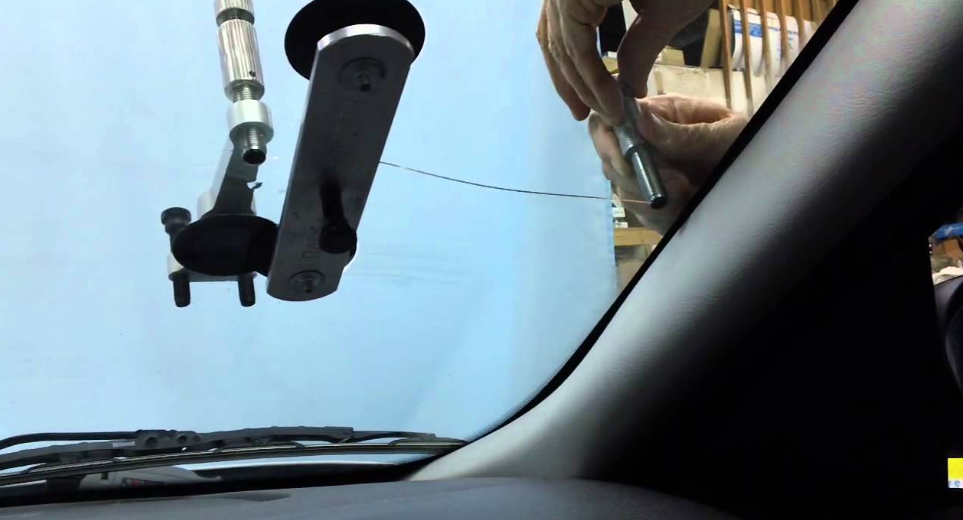
Consistent Pressure: Use a bridge or injector to maintain steady pressure, allowing the resin to fully penetrate cracks.
-
UV Curing: Properly cure the resin using a UV lamp to prevent future failure and ensure long-lasting repairs.
-
Post-Repair Inspection: Examine the repaired area for clarity and strength to confirm a successful restoration.
Choosing the Right Windshield Repair Resin
Not all resins are created equal. Consider these factors when selecting the right product for your business:
-
Viscosity: Thinner resins flow easily into small cracks, while thicker resins are better for larger chips.
-
Color Matching: Some resins come in various tints to blend seamlessly with the windshield, producing a nearly invisible repair.
-
Shelf Life: Always check the expiration date to avoid using degraded resin, which can compromise repair quality.
-
Curing Time: Faster-curing resins can speed up repairs, improving efficiency and throughput in busy shops.
Future Trends in Windshield Repair Resins
The auto glass repair industry is constantly evolving, with innovations enhancing both repair quality and environmental responsibility:
-
Nanotechnology: Incorporating nanoparticles into resins can improve strength, clarity, and adhesion.
-
Automated Repair Systems: Robotics and automation are beginning to assist in repairs, offering precision and consistency.
-
Eco-Friendly Solutions: As sustainability becomes more important, environmentally friendly resins are gaining traction in the market.
Conclusion
For auto glass repair professionals, mastering the use of windshield repair resin is essential for providing high-quality, efficient, and safe repairs. By following best practices, selecting the right resin, and keeping an eye on industry advancements, businesses can enhance repair outcomes, reduce costs, and boost customer satisfaction. Windshield repair resin not only preserves the vehicle’s integrity but also plays a critical role in safety, sustainability, and professionalism in the auto glass repair industry.