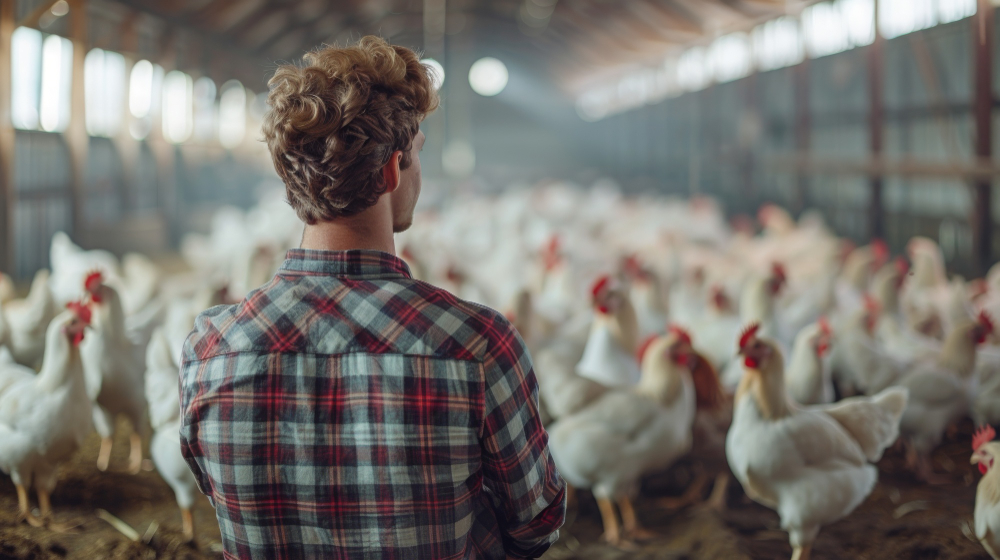
As the global population grows, the demand for affordable and high-quality protein continues to rise. Poultry has become one of the fastest-growing sources of animal protein, making it essential to modern food systems. However, traditional poultry farming methods can place heavy pressure on water, energy, and environmental resources. Today, sustainability is no longer just an option — it’s a necessity. Modern poultry farming solutions are helping farmers produce more while using fewer resources, protecting both profitability and the planet.
Environmental Challenges in Poultry Farming
Poultry farming plays a major role in food production, but it also comes with environmental challenges.
High Energy Consumption
Climate control systems for heating, cooling, and ventilation require significant electricity, especially in regions with extreme temperatures.
Water Usage
Large amounts of water are needed for bird hydration, cleaning, and cooling systems. Inefficient water use can lead to wastage.
Waste Management
Poultry litter, manure, and other farm waste can pollute soil and water if not properly managed.
Greenhouse Gas Emissions
Feed production and organic waste contribute to emissions, increasing the industry’s environmental footprint.
Sustainable practices aim to reduce these impacts without compromising productivity.
Sustainable Poultry Farming Technologies
Technology is leading the shift toward more responsible poultry production.
Energy-Efficient Housing Systems
Well-insulated poultry sheds reduce the need for excessive heating and cooling. Solar panels can power ventilation systems and lighting, lowering energy costs.
Smart Climate Control
Sensors and automated systems maintain optimal temperature and airflow while minimizing electricity use.
Water Conservation Technologies
Nipple drinkers and leak-proof systems reduce water wastage. Water filtration and recycling systems allow safe reuse for cleaning and cooling.
Precision Feeding Systems
Automated feeders deliver the exact amount of nutrients required, reducing feed waste and improving feed conversion.
Waste-to-Resource Technologies
Poultry litter can be converted into organic fertilizer or used to produce biogas, turning waste into a valuable resource.
These innovations are key components of modern poultry farming solutions designed to improve efficiency and sustainability.
Sustainable Poultry Processing Practices
Sustainability continues beyond the farm. Processing facilities also play a crucial role.
-
Water-saving processing equipment reduces overall consumption.
-
Energy-efficient chilling and packaging systems lower electricity use.
-
By-products from processing can be recycled or repurposed.
-
Automated, hygienic systems minimize contamination and waste.
Such improvements highlight how poultry processing solutions support environmental goals while maintaining product quality.
Role of Animal Welfare in Sustainability
Healthy birds are central to sustainable farming. Proper housing, ventilation, and balanced nutrition reduce stress and disease. Birds that are well cared for require fewer medications and resources. Lower mortality rates also mean less waste and higher production efficiency. Good welfare practices are an important part of integrated poultry solutions that combine productivity with responsibility.
Economic Benefits of Sustainable Practices
Sustainability also makes financial sense.
-
Reduced energy and water usage lowers operational costs.
-
Better feed efficiency means higher output from the same resources.
-
Recycling waste into fertilizer or energy creates additional income streams.
-
Sustainable farms are more attractive to buyers, retailers, and export markets that value responsible production.
Innovation and the Future of Poultry Farming
The future of poultry farming lies in innovation. AI-powered monitoring systems will predict health issues before they occur. Robotics will handle routine tasks efficiently. Renewable energy sources will power more farm operations. Integrated digital platforms will connect farms with processing and distribution networks for better resource management.
Sustainability and Global Food Security
Sustainable poultry production ensures a reliable protein supply for future generations. By conserving resources and reducing environmental impact, farms can maintain productivity over the long term. This approach supports national food security goals and reduces dependence on imports.
Conclusion
Sustainability is shaping the future of agriculture, and poultry farming is no exception. Modern poultry farming solutions, responsible processing practices, and integrated poultry solutions allow producers to reduce environmental impact while maintaining profitability. Farms that adopt sustainable technologies today will lead the agricultural sector tomorrow, delivering food that is not only abundant but also responsibly produced.