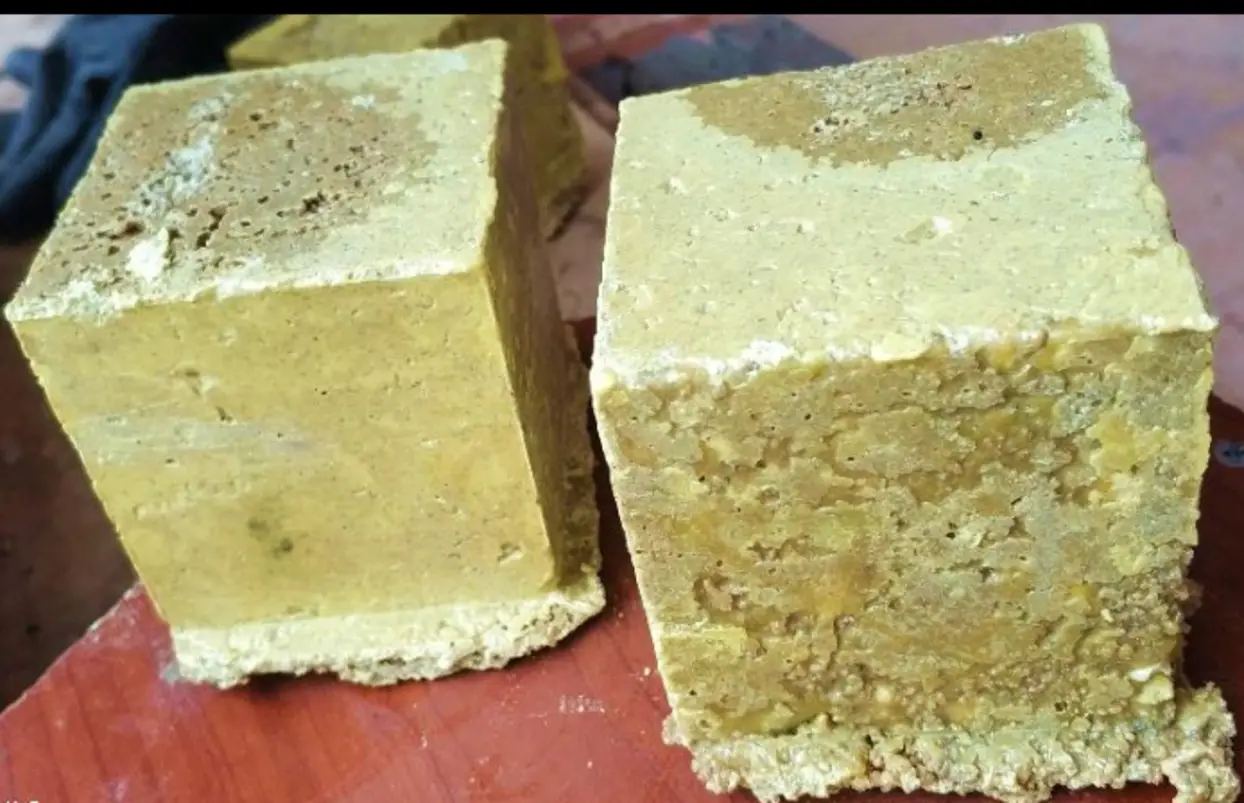
Sulfur blocks are a practical, high-purity form of elemental sulfur used across agriculture, industry, and manufacturing. Known for their stability, long shelf life, and ease of handling, sulfur blocks offer a reliable way to store, transport, and apply sulfur where precision and consistency matter. This article explains what sulfur blocks are, their core properties, common uses, and the benefits they deliver for professional applications worldwide.
What Are Sulfur Blocks?
Sulfur blocks are solid forms of elemental sulfur, typically cast into uniform shapes and weights. Unlike powdered or granular sulfur, blocks are designed for controlled use and minimal loss during handling. They are produced by melting refined sulfur and casting it into molds, resulting in dense, durable blocks with consistent composition.
For buyers and operators, this format reduces dust, spillage, and contamination risks. It also simplifies logistics, especially for bulk storage and international shipping.
Key Properties of Sulfur Blocks
Understanding the physical and chemical properties of sulfur blocks helps explain why they are widely used.
High Purity
Most sulfur blocks are produced to high purity standards, often above 99.5 percent sulfur. This is essential for applications where impurities can affect reactions, product quality, or soil chemistry.
Chemical Stability
At ambient temperatures, sulfur blocks are stable and non-reactive. This makes them safe to store for long periods without degradation when kept dry and protected from excessive heat.
Controlled Solubility
Elemental sulfur does not dissolve in water. Instead, it oxidizes slowly to sulfate through biological or chemical processes. This slow conversion is a major advantage in agriculture and certain industrial processes.
Low Dust and Easy Handling
The solid block form minimizes airborne sulfur dust. This improves workplace safety and reduces material loss compared to fine powders.
Common Uses of Sulfur Blocks
Sulfur blocks are valued for their versatility. Below are the main sectors where they are commonly used.
Agricultural Applications
In agriculture, sulfur blocks are primarily used as a sulfur source and soil amendment.
Soil pH Management: Elemental sulfur helps lower soil pH in alkaline soils. Over time, soil bacteria convert sulfur into sulfuric acid, improving nutrient availability for crops.
Nutrient Supply: Sulfur is an essential plant nutrient. Crops such as oilseeds, legumes, and cereals require adequate sulfur for protein synthesis and enzyme function.
Custom Processing: Many agricultural suppliers crush or grind sulfur blocks into smaller particles or blends, allowing tailored application rates for specific crops and regions.
Industrial and Chemical Processing
Sulfur blocks are a preferred raw material in several industrial processes.
Sulfuric Acid Production: Sulfur blocks serve as a feedstock for sulfuric acid plants, where controlled purity is critical.
Rubber and Tire Manufacturing: Sulfur is used in vulcanization to improve the strength and elasticity of rubber products.
Chemical Synthesis: Various chemicals, including sulfides and sulfates, rely on elemental sulfur as a base material.
Manufacturing and Specialized Uses
Other sectors also benefit from sulfur blocks.
Metal Processing: Sulfur compounds derived from sulfur blocks are used in metallurgy and metal treatment processes.
Pulp and Paper Industry: Sulfur-based chemicals play a role in pulping and bleaching operations.
Export and Bulk Supply Chains: The solid form makes sulfur blocks ideal for long-distance transport with minimal handling issues.
Benefits of Using Sulfur Blocks
Choosing sulfur blocks over other sulfur forms offers several practical advantages.
Consistent Quality
Uniform composition ensures predictable performance in downstream processing. This is especially important for industrial buyers who require tight specifications.
Improved Safety
Low dust generation reduces inhalation risks and fire hazards associated with fine sulfur powders. This supports safer working environments and easier compliance with safety standards.
Cost Efficiency
Sulfur blocks are economical for bulk buyers. Their durability reduces losses during transport and storage, and their long shelf life minimizes waste smart intranet consulting Sydney.
Flexible Processing Options
Blocks can be crushed, ground, or melted depending on the application. This flexibility allows one product form to serve multiple end uses.
Environmental Considerations
In agriculture, the slow oxidation of sulfur supports gradual soil improvement without the shock effects sometimes seen with fast-acting acidifying agents.
Quality and Handling Considerations
When sourcing sulfur blocks, quality control matters. Reputable suppliers provide clear specifications for purity, block weight, and physical integrity. Blocks should be free from cracks, excessive fines, or visible contamination.
Proper storage is straightforward. Keep sulfur blocks in a dry, well-ventilated area away from open flames and strong oxidizers. While sulfur is stable, basic precautions ensure long-term performance and safety.
Why Sulfur Blocks Remain a Reliable Choice
Across global markets, sulfur blocks continue to be a trusted solution for professionals who need consistency, safety, and versatility. Their physical form simplifies logistics. Their chemical properties support a wide range of applications. And their cost-effectiveness makes them suitable for both large-scale industrial operations and agricultural supply chains.
belirangkalisari : As industries focus more on efficiency and responsible material handling, sulfur blocks offer a proven balance of performance and practicality. For businesses seeking a dependable sulfur source, they remain an essential product with enduring value.