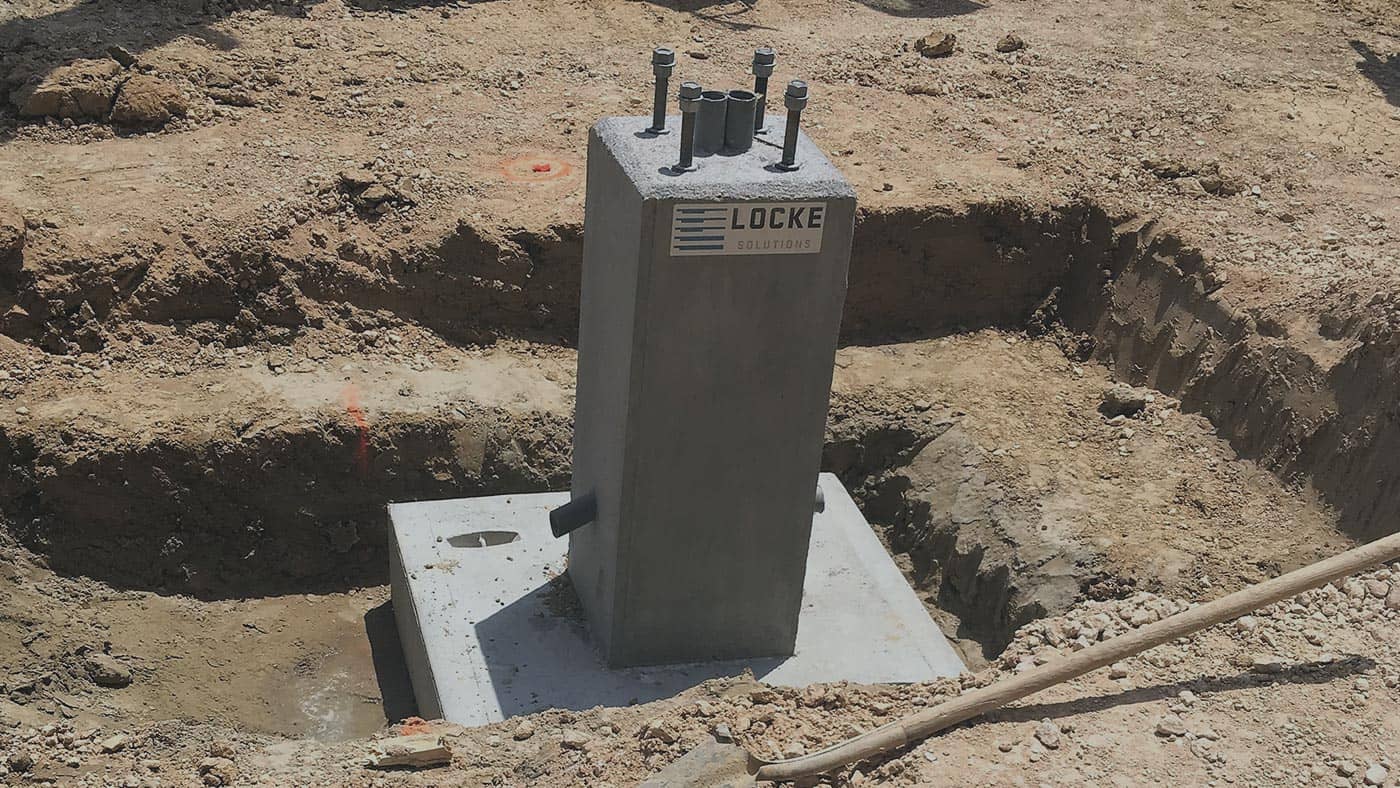
A building becomes safe and long-lasting only when it stands on a strong foundation. One of the most common and trusted foundation types used in construction is the spread footing. Builders and engineers prefer spread footings because they are easy to build, cost-effective, and strong enough to support many types of structures.
In this blog, you will learn what a spread footing is, how it works, why it is important, its types, benefits, construction process, and common applications. This guide explains everything in simple words so anyone can understand it easily.
What Is a Spread Footing?
A spread footing is a type of shallow foundation that spreads the weight of a building over a large area of soil. Instead of placing all the load in one small spot, the footing spreads the load so the soil can support it safely.
Builders place spread footings under columns, load-bearing walls, or structural supports. These footings sit close to the ground surface and work best when the soil has good strength.
Why Spread Footings Matter in Construction
Every building carries a lot of weight. This weight includes walls, floors, roofs, furniture, people, and equipment. If the soil cannot handle this weight, the building may sink or crack.
Spread footings help solve this problem by:
-
Distributing the load evenly
-
Reducing pressure on the soil
-
Preventing uneven settlement
-
Increasing building safety and stability
Because of these advantages, spread footings play an important role in modern construction.
How a Spread Footing Works
A spread footing works by increasing the surface area that touches the soil. When the contact area becomes larger, the pressure on the soil becomes smaller.
For example, if a column sits directly on the soil, it may push the soil down too much. When builders place a spread footing under the column, the load spreads across a wider area. This process allows the soil to support the structure without failure.
Types of Spread Footings
Engineers choose different types of spread footings based on building design and soil conditions.
1. Isolated Spread Footing
This footing supports one column. Builders often use it in residential houses and small commercial buildings.
2. Combined Spread Footing
This footing supports two or more columns. Engineers use it when columns are close together or when space limits the size of individual footings.
3. Continuous Spread Footing
This footing runs continuously under load-bearing walls. It spreads wall loads evenly along the soil.
4. Strap Footing
A strap footing connects two isolated footings with a beam. Builders use it when one column sits near a property line and cannot have a centered footing.
Materials Used in Spread Footings
Builders use strong and durable materials to build spread footings, such as:
-
Concrete
-
Steel reinforcement bars
-
Gravel or compacted soil base
Concrete provides strength, while steel bars prevent cracking and improve durability.
Step-by-Step Spread Footing Construction Process
The construction of a spread footing follows a clear and organized process.
Step 1: Soil Investigation
Engineers test the soil to check its strength and bearing capacity.
Step 2: Excavation
Workers dig the ground to the required depth and size.
Step 3: Base Preparation
They level the surface and add compacted gravel if needed.
Step 4: Reinforcement Placement
Workers place steel bars according to the design.
Step 5: Concrete Pouring
They pour concrete carefully and remove air pockets.
Step 6: Curing
The concrete cures for several days to gain strength.
Step 7: Construction Above Footing
Once the footing becomes strong, builders construct columns or walls above it.
Benefits of Using Spread Footings
Spread footings offer many benefits that make them a popular foundation choice.
Cost-Effective Solution
They require less material and labor than deep foundations.
Easy and Fast Installation
Builders can construct spread footings quickly using simple equipment.
Strong Load Distribution
They spread building loads evenly and protect the soil.
Suitable for Many Projects
Spread footings work well for houses, offices, and small industrial buildings.
Long Service Life
Properly designed spread footings last for many years.
When Spread Footings Work Best
Spread footings perform best under the following conditions:
-
Soil has good bearing capacity
-
Building loads remain moderate
-
Groundwater level stays low
-
Construction site has enough space
Engineers may avoid spread footings in weak soil or flood-prone areas unless they improve the soil.
Common Uses of Spread Footings
Builders use spread footings in many types of construction projects, such as:
-
Residential homes
-
Apartment buildings
-
Schools and colleges
-
Hospitals and clinics
-
Office buildings
-
Warehouses
-
Retail stores
Their flexibility makes them suitable for many applications.
Spread Footing vs Other Foundation Types
Spread footings belong to shallow foundations. Deep foundations, such as piles, reach deeper soil layers.
Spread Footings:
-
Lower cost
-
Simple construction
-
Faster completion
Deep Foundations:
-
Support heavier loads
-
Work in weak surface soil
-
Require specialized equipment
Engineers choose the foundation type based on soil conditions and load requirements.
Design Factors for Spread Footings
Engineers consider several factors when designing a spread footing:
-
Load from the structure
-
Soil bearing capacity
-
Footing size and thickness
-
Steel reinforcement details
-
Local building codes
Correct design ensures safety and prevents future problems.
Maintenance and Durability
Spread footings need very little maintenance. Once builders install them properly, they stay strong for decades. Good drainage around the foundation helps prevent water damage and soil erosion.
Environmental Benefits of Spread Footings
Spread footings use less concrete and steel compared to deep foundations. This reduced material use helps lower environmental impact and construction waste.
Common Mistakes to Avoid
To ensure success, builders should avoid:
-
Skipping soil testing
-
Using poor-quality concrete
-
Ignoring reinforcement design
-
Pouring concrete without proper curing
Proper planning prevents these issues.
Conclusion
A spread footing provides a reliable, strong, and affordable foundation solution for many construction projects. It spreads building loads evenly into the soil, improves stability, and reduces the risk of settlement.
Because of its simple design, cost efficiency, and wide application, spread footing remains one of the most trusted foundation types in modern construction. When soil conditions are suitable, spread footings deliver long-lasting performance and structural safety.
If you plan to build a house or commercial structure, consulting a qualified engineer will help you decide whether a spread footing is the right choice for your project.